Discover engaging, safe, and educational circuit kits designed for kids. This guide highlights five standout options that build practical skills in electronics, problem solving, and creativity. Each kit offers hands-on projects, colorful manuals, and age-appropriate safe components to ignite curiosity and confidence in young engineers.
| Product | Age Range | Projects | Key Benefit |
|---|---|---|---|
| Snap Circuits Jr. SC-100 | 8+ | 100+ projects | Compact starter kit with broad project variety |
| Snap Circuits Classic SC-300 | 8+ | 300+ projects | Extensive exploration of circuits and gadgets |
| Snap Circuits Beginner SCB-20 | 5-9 | 21 projects | Child-friendly, safe introduction for younger kids |
| Snap Circuits 203 | 8+ | 200+ projects | Flexible, modular learning with many modules |
| National Geographic Circuit Maker Kit | 6+ | 120+ projects | Video-guided, kid-friendly instructions |
Snap Circuits Jr. SC-100: Beginner Electronics Exploration

Snap Circuits Jr. SC-100 introduces young learners to basic electronics in a safe, engaging format. With 28 parts and a full-color project manual, children can build more than 100 projects that demonstrate how circuits power real-world gadgets. The parts click together without tools, easing experimentation and reducing frustration for beginners. The kit emphasizes hands-on skills such as completing circuits, testing components, and reading simple instructions, all essential for early STEM confidence. This kit is repeatedly praised as a versatile starter that grows with a child as they tackle progressively more complex circuits.
Snap Circuits Classic SC-300: Vast Circuit Exploration
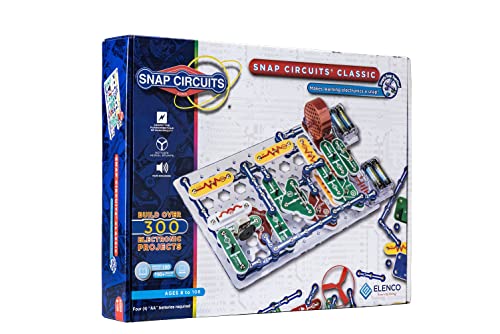
Snap Circuits Classic SC-300 expands play with over 300 possible projects and a 60+ piece assortment. The colorful guidebook walks kids through building electronic devices like AM radios, burglar alarms, and doorbells, while encouraging experimentation and iterative thinking. The kit’s modular design supports independent tinkering or collaborative challenges, making it suitable for classroom or family use. As a long-standing favorite, it offers substantial value and ongoing discovery, helping children connect theoretical concepts to tangible outcomes.
12 Bulk Electric Circuit Kit (GadgetGlee)

This bulk circuit kit from GadgetGlee targets early elementary learners with a 12-pack assortment designed for hands-on circuit-building. Each kit includes simple circuit cards with bulbs, switches, and battery holders, and is suitable for group activities or classroom use. The kit’s straightforward components help children understand basic electrical concepts while supporting collaborative problem solving. It serves as a practical way to introduce circuits to multiple students or siblings simultaneously and can be paired with classroom activities or STEM centers.
Snap Circuits Beginner SCB-20: Safe Entry for Young Builders

The Snap Circuits Beginner kit sparks interest in circuitry for ages 5 to 9, with 21 projects designed to be approachable for younger minds. The child-friendly pieces snap together easily, reinforcing cause-and-effect understanding as children see lights, sounds, and simple machines come to life. In addition to foundational circuit concepts, the kit emphasizes planning, troubleshooting, and sequencing—skills that transfer to broader STEM learning and everyday problem solving.
Sntieecr Electric Circuit Motor Kit: Hands-On STEM
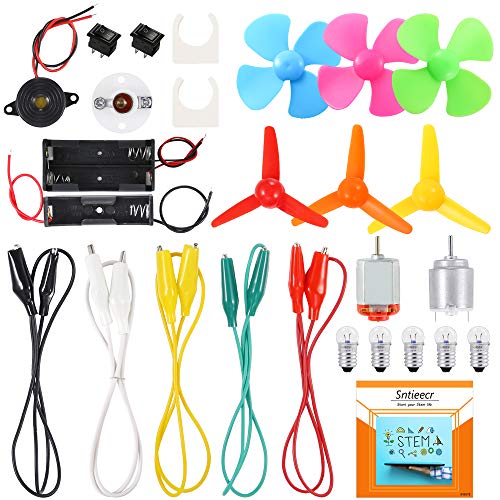
This comprehensive kit from Sntieecr blends circuit building with motor components to explore propulsion, sound, and motion. It includes a robust assortment of bulbs, motors, switches, and holders, plus a detailed instruction set. The project scope supports school-style science activities and DIY explorations, making it suitable for curious kids who want to expand beyond basic circuits. The kit also supports independent experimentation and group projects, aligning with classroom STEM activities.
GadgetGlee 7 Bulk Electric Circuit Kit for Classrooms

Designed for classroom use and group STEM activities, this set includes seven separate fan kits, each packed for easy distribution. It introduces young learners to engineering concepts through a hands-on fan-building activity that demonstrates simple circuit principles. While larger in scope, the kits remain approachable with clear instructions and kid-friendly components, making them a practical option for teachers and parents who want to run multiple stations or science centers.
Snap Circuits 203: Over 200 Projects

Snap Circuits 203 offers an expansive platform with more than 200 projects and 40+ modules. The kit emphasizes modular experimentation, allowing kids to mix and match components to solve problems and create new devices. The extensive project library supports continued learning after mastering the basics, helping students deepen their understanding of circuits, sensors, and timing. The kit’s social play aspects—such as building projects to challenge friends—also support collaborative skills.
National Geographic Circuit Maker Kit

National Geographic’s Circuit Maker Kit combines safety, accessibility, and engaging content for kids ages 6 and up. With 120+ projects, it introduces circuit theory through entertaining activities like sound systems and light shows, guided by kid-friendly video instructions via QR codes. The kit emphasizes safety and clarity, making it a strong choice for beginners and classrooms seeking visual demonstrations and guided practice. It complements other kits by broadening project variety and providing multimedia learning support.
Buying Guide: Key Purchase Considerations
- Age appropriateness: Choose a kit aligned with the child’s developmental stage to ensure projects are challenging but not frustrating.
- Project quantity vs. complexity: More projects offer longer engagement, while simpler kits encourage faster mastery and confidence.
- Safety and components: Look for snap-together parts, childproof designs, and clear safety guidelines to minimize risks.
- Educational value: Consider whether the kit teaches core concepts (circuits, switches, power) and supports problem-solving and planning skills.
- Expansion potential: Some kits pair with others to grow the learning experience, providing a path from beginner to advanced projects.
- Classroom vs. home use: Bulk sets and teacher-focused kits often include classroom-friendly features such as multi-pack options and color-coded manuals.
- Instructions and resources: Color manuals, QR video guides, and straightforward steps help sustain independent learning and reduce frustration.
- Storage and organization: Kits with clear compartments or bags help maintain order and facilitate sharing among siblings or students.
- Value and longevity: Reusable components and the ability to reuse parts across kits offer long-term educational payoff.