Exploring the world through touch, movement, and play is essential for children’s development. Sensory tools for kids support fine motor skills, color and shape recognition, focus, and self-regulation. This guide highlights five carefully chosen products that blend hands-on exploration with learning-friendly design. Each item helps children engage with textures, tools, and activities that build foundational skills while keeping play engaging and safe.
| Product | Brand | Key Benefit |
|---|---|---|
| Helping Hands Fine Motor Tool Set | Learning Resources | Strengthens hand muscles for writing through fine-motor practice |
| Sensory Bin Tools Kit (Wooden) | Yowlieu | All-in-one Montessori-friendly wooden tools for pretend play and problem solving |
| Sensory Bin Filler Tools Set | Calefow | Durable, varied tools for tactile exploration in bins, sand, and water |
| Color Sorting Sensory Toys | GYsomer | Color recognition and fine motor practice with soothing textures |
| LCD Writing Tablet 4-Pack | TQU | Creative drawing and writing practice with reusable, pressure-sensitive screens |
Learning Resources Helping Hands Fine Motor Tool Set
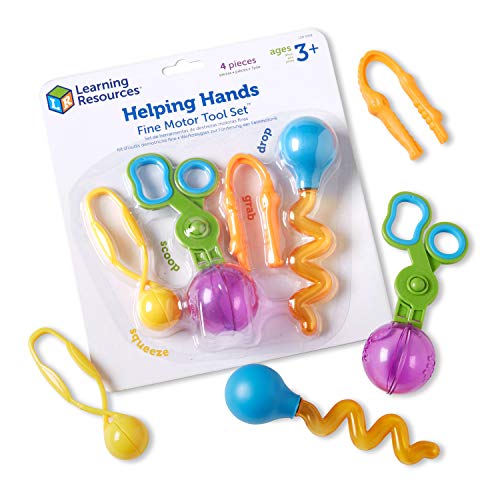
The Helping Hands tool set is designed to develop fine motor skills through practical, kid-friendly tools. The four-piece collection targets grip strength, pincer control, and hand coordination—critical components for early writing and manual tasks. By engaging with tweezers and other hand tools, children gain confidence while engaging in sensory-rich play that supports tactile discovery and cognitive development.
10 Pcs Wooden Sensory Bin Tools Kit

Complete Montessori-inspired wooden sensory tools kit featuring scoops, tongs, cups, bowls, and a plate. The natural wood construction is hand-sanded for smooth edges, prioritizing safety for toddlers. These tools promote focused play, imaginative scenarios, and social interaction as children explore real-life activities like kitchen tasks, sorting, and transfer games, fostering fine motor precision and hand-eye coordination.
Calefow 12 Pcs Sensory Bin Tools Kit

This 12-piece set covers a broad range of sensory experiences with five scoops, tweezers, mini tongs, shovels, an air pump, and more. The durable plastic tools are ideal for sensory bins, sandboxes, and water tables. Bright colors, varied shapes, and sizes help children build fine motor skills, color recognition, and hand strength as they manipulate tools during guided or free play.
GYsomer Color Sorting Sensory Toys
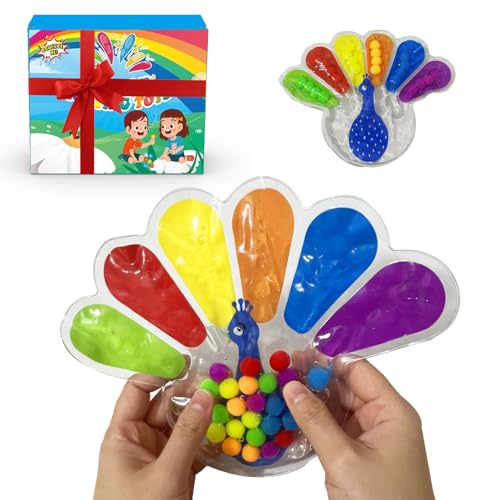
These color sorting tools double as fine motor and cognitive development aids. Children practice squeezing, placing, and sorting beads while learning color names, sequencing, and basic math concepts. The soft materials provide a calming tactile experience that can support emotional regulation, especially during busy or overstimulating activities, making them suitable for a range of learners.
4 Pack LCD Writing Tablet for Kids

These 8.5-inch LCD tablets are ideal for drawing, writing, and practicing spelling or math. The pressure-sensitive screens offer varying line thickness, and the erase button enables quick reuse during learning sessions. A lock switch saves work when needed. The 4-pack ensures multiple children can work side by side, supporting collaboration and classroom-style activities while reducing paper waste.
Buying Guide
Key considerations when selecting sensory tools for kids include safety, age appropriateness, and the goals of play. Look for non-toxic materials, smooth edges, and sturdy construction to withstand energetic use. Consider the child’s development stage: younger children benefit from larger, easy-to-grip tools and color-rich items, while older kids may enjoy more complex tools that support fine motor precision and problem solving.
- Skill targets: Identify whether you want to improve hand strength, dexterity, color recognition, or social play. Choose tools that align with these goals.
- Material and texture: A mix of wood, plastic, and silicone provides varied tactile experiences. Wooden tools often feel more durable, while silicone and soft plastics can be gentler on small hands.
- Safety features: Look for rounded edges, BPA-free plastics, and easy-clean surfaces. For younger kids, ensure tools are sized to prevent choking hazards.
- Portability and storage: Kits with bags or storage boxes help keep tools organized and ready for travel or classroom use.
- Multisensory potential: Favor items that combine visual, tactile, and kinesthetic elements to maximize engagement and learning transfer.
To maximize benefits, combine several tools in guided play sessions. For example, pair the Learning Resources Helping Hands set with the wooden tools for a structured fine motor routine, and add the Calefow kit to expand tactile exploration in sensory bins. The LCD writing tablets can serve as a quiet, reusable activity during transitions or individual work time, while color sorting toys support early math and cognitive development alongside emotional regulation exercises.