Introduction
For classrooms seeking alternative seating that supports focus, self-regulation, and active learning, sensory chairs offer purposeful movement and sensory input. This guide highlights five effective options designed to help students with ADHD, autism, sensory processing needs, and general restlessness stay engaged. Each highlighted product combines comfort, safety, and classroom practicality to promote productive work periods and calmer transitions between activities.
style=”display:none;”>Summary of chosen products:
| Product | Brand | Key Benefit | Best For |
|---|---|---|---|
| Ted Kangaroo Sensory Soft Squeeze Seat | Ted Kangaroo | Full-body calm with gentle rocking | Calming classrooms, therapy sessions |
| GoSports 18 Inch Wobble Chair | GoSports | 360° movement for focus | Active learners, fidget-friendly settings |
| BouncyBand Sit & Twist Active Seat Cushion | Bouncy Bands | Rotating pivot for active engagement | Seated tasks, reading corners |
| Trideer Inflated Wobble Cushion | Trideer | Balance, core strength, flexible seating | General classroom use, quiet spaces |
| Ted Kangaroo CloudBalance Sensory Chair | Ted Kangaroo | Versatile rocking and movement | Diverse learning environments, rotation-friendly spaces |
TED Kangaroo Sensory Soft Squeeze Seat

The TED Kangaroo Sensory Soft Squeeze Seat offers a calming full-body compression that supports emotional regulation in children with sensory needs. Its soft, squeezable design invites a gentle, secure feeling, making it suitable for use at home, during therapy, or in a classroom setting. The seat also features a built-in rocking aspect, allowing a subtle back-and-forth motion that can help students refocus during quiet times or seated activities. This combination of compression and motion helps children with autism, ADHD, or focus challenges relax and stay engaged without leaving their seat.
Key features include: a soothing, full-body hug, a rocking motion that kids enjoy, and a design that supports quiet time, reading, and seated tasks. Teachers and therapists may find this seat useful for students who benefit from predictable sensory input to regain attention and calmness during transitions.
GoSports 18 Inch Wobble Chair

This 360-degree wobble chair supports active, seated movement, helping kids naturally fidget while maintaining focus. It is especially beneficial for children with ADD or ADHD, providing a textured footrest for sensory input and a sturdy, durable base designed for classroom use. The chair’s lightweight construction makes it easy to relocate between desks or reading corners, enabling quick room reshuffles without sacrificing stability or safety. It’s suitable for students around 8–12 years old and up to a 120 lb weight limit, ensuring safety in standard classroom environments.
Key benefits include improved focus through controlled motion, a non-slip base for steady use, and built-in handles to assist safe movement. The design accommodates active learners who need subtle movement to stay engaged during lessons, group work, or independent reading.
BouncyBand Sit & Twist Active Seat Cushion

The BouncyBand Sit & Twist Active Seat Cushion introduces a 120-degree rotating pivot disc that enables silent twisting and turning while seated. The non-skid base helps secure the cushion on chairs or the floor, making it a versatile tool for classroom seating arrangements. The rotating motion can reduce restlessness, allowing students to channel excess energy into purposeful movement, which supports better focus during tasks and independent work. This sensory cushion is designed to accommodate a wide range of ages and seating setups, promoting steady engagement without disrupting peers.
Core features include a patent-pending pivot disc for dynamic movement, a secure base to prevent slipping, and an emphasis on improving classroom focus by providing a safe outlet for movement and sensory input during learning activities.
Trideer Inflated Wobble Cushion
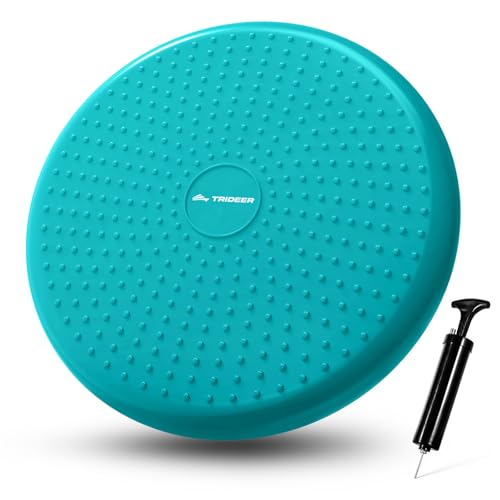
This inflated wobble cushion provides flexible seating that helps children focus by absorbing energy and facilitating slight movement while seated. The cushion is designed to improve posture and balance, with a non-slip grip to reduce the risk of slips during classroom activity. It supports concentration during reading, writing, or table work, and can be used on chairs or on the floor as needed. The cushion’s durable construction makes it suitable for ongoing daily use in busy classrooms, offering a simple, portable option for active seating.
Highlights include balance and core-strength benefits, posture support, and a practical platform that accommodates a variety of activities—reading, drawing, or problem-solving—without drawing attention away from learning tasks.
TED Kangaroo CloudBalance Sensory Chair

The CloudBalance Sensory Chair blends versatility with focused movement. Its design encourages kids to rock, wiggle, and move, which supports engagement in a range of learning activities. The chair’s adaptable setup makes it usable in upright seated play, side-lying, or even as a slide, allowing educators to tailor seating to diverse learning environments. By promoting balance, coordination, and spatial awareness, the CloudBalance chair helps learners stay physically active while maintaining attention on tasks. It serves as a flexible option for classrooms that need multi-use seating that supports both calm and active learning.
Key advantages include motor skill development, creative engagement through movement, and a seating solution that can be used across different activities and spaces within a classroom setting.
Buying Guide: Key Considerations For Selecting Classroom Sensory Chairs
- Age and weight range: Check the product’s recommended age and weight limits to ensure safety and suitability for your students.
- Mobility and ease of movement: Consider how easily the chair can be moved between desks and rooms by staff or students, as well as its stability during use.
- Durability and materials: Look for sturdy bases, non-slip surfaces, and washable covers to withstand daily classroom use.
- Safety features: Ensure the chair has rounded edges, secure fasteners, and non-toxic materials appropriate for children.
- Level of sensory input: Some chairs provide deep compression, others offer rocking, twisting, or wobble motion. Choose based on your students’ sensory needs and classroom activities.
- Noise considerations: Silent or low-noise mechanisms are preferable in classroom environments to minimize distractions.
- Versatility: Chairs that adapt to different tasks (reading, seating, standing transitions) can maximize utility across the day.
- Maintenance: Prefer machine-washable covers or easy-clean fabrics to simplify upkeep for busy teachers.
- Cost and value: Compare product durability, warranty, and replacement parts to determine long-term value for your school budget.
- Multi-seat options: If possible, select a mix of seating that supports various student needs without creating classroom clutter.