Pull toys help babies develop gross motor skills, hand-eye coordination, and sensory exploration while providing portable entertainment for car rides and flights. The following five picks combine engaging textures, bright colors, and sturdy construction to suit infants and toddlers from 12 months onward. Each product features a simple pulling mechanism, encouraging crawling, standing, or walking. Use this guide to compare designs, materials, and learning features to find the best fit for your little one’s stage and interests.
| Product | Brand |
|---|---|
| Tiyol Montessori Toys, Silicone Pull String Activity | Tiyol |
| LiKee Montessori Toys for Baby 1+ Years | LiKee |
| Hape Frog Pull-Along | Hape |
| Fisher-Price Toddler Pull Toy Chatter Telephone | Fisher-Price |
| VTech Pull and Sing Puppy | VTech |
Tiyol Montessori Pull String Activity Toy

The Tiyol silicone pull string toy is designed for multi-sensory exploration. It features six different strings and smooth edges shaped into a friendly octopus, making it appealing to curious infants. The bright colors align with Montessori-inspired learning, encouraging visual tracking and color recognition as babies tug and explore. Its compact design makes it suitable for car travel and airplane trips, providing a portable activity that keeps little hands engaged while promoting fine motor development.
In practice, this toy supports early grasp-and-pull actions and sequential manipulation, helping babies build hand strength and coordination. Parents can use the toy to engage babies during tummy time or while seated, offering a tactile sensory experience with varied textures and pull lengths. Lightweight construction adds to its travel-friendly usability.
LiKee Montesssori Pull String Toy For Babies

The LiKee pull string toy is designed for children aged 18 months and up, focusing on sensory development through varied textures and engaging strings. As toddlers reel strings to one side and turn the toy over, they practice cause-and-effect thinking, prolonging engagement and encouraging repeated exploration. The toy aims to strengthen fine and gross motor skills, eye-hand coordination, and dexterity through a manageable, age-appropriate challenge.
Textures at the string ends vary to promote tactile exploration, helping children differentiate sensations while they pull, twist, and reset the toy. This design supports independent play while also serving as a caregiver-assisted activity to promote language cues and interaction during learning moments.
Hape Frog Pull-Along

This wooden frog pull-along toy by Hape offers classic, durable construction with a bright, playful design. The frog’s mouth opens and closes as it’s pulled along, adding a fun interactive element as the child moves. The pull-along mechanism doubles as a crawling and walking aid, encouraging mobility and exploration as the child follows the frog on its adventure. Its robust wooden build provides longevity for growing toddlers and active play.
As a learning companion, the toy supports walking and cruising skills, while the visual movement and cheerful colors stimulate curiosity. The non-toxic finishes and solid craftsmanship align with safe play standards, making it a reliable choice for both home and travel use.
Fisher-Price Toddler Pull Toy Chatter Telephone

The Chatter Telephone is a classic pull-along toy featuring a rotary dial, moving eyes, and ringing sounds that engage listening and imitation skills. As a toddler walks with the phone, the toy provides a familiar and comforting pretend-play scenario that supports language development and social interaction. The durable design stands up to daily use and travel, making it a versatile option for playrooms and on-the-go play.
Educational value comes from number recognition and conversational cues, with simple mechanics that teach cause-and-effect while encouraging motor exploration. The toy’s approachable size and bright colors help maintain attention during long trips or quiet play sessions.
VTech Pull and Sing Puppy
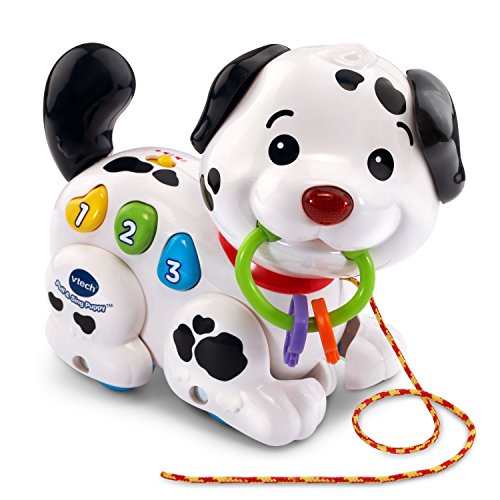
The VTech Pull and Sing Puppy is designed to stimulate gross motor skills through a pull mechanism that activates music and spoken cues. When the user pulls the cord, the toy plays songs and phrases, supporting early language development and auditory processing. Its three colored buttons introduce basic concepts like colors, numbers, and body parts, blending music with cognitive building blocks for a multisensory experience.
This puppy-friendly toy encourages cause-and-effect learning and playful exploration. The engaging sounds and bright visuals help sustain curiosity during solo play or guided sessions, making it suitable from infancy through toddlerhood as a travel-friendly learning companion.
Buying Guide: Key Purchase Considerations
- Age appropriateness: Match the toy’s pull length, button size, and complexity to your child’s current motor skills and developmental stage.
- Materials and safety: Look for non-toxic finishes, durable woods or plastics, and smooth edges. Check for small parts that could pose choking hazards for younger toddlers.
- Durability for travel: For car and airplane travel, choose compact, lightweight toys with stable bases and secure pulling mechanisms.
- Motor and cognitive benefits: Toys with varied textures, colors, and sound features can promote fine and gross motor skills, sensory processing, and early language development.
- Maintenance: Consider ease of cleaning, especially for silicone or fabric elements that may collect dust or spills during travel.
- Growth potential: Some toys offer evolving play as children transition from crawling to walking or running, extending their usefulness beyond infancy.
- Value for money: Evaluate how many developmental benefits a toy provides versus its price, including durability and potential for years of use.
- Brand transparency: Reputable brands often publish safety standards and material details, helping caregivers make informed choices.
These selections emphasize safe construction, engaging textures, and portability. When choosing, consider the child’s current stage—whether they are crawling, cruising, or walking—and select a toy that invites exploration without overwhelming the learner. A mix of auditory, tactile, and visual elements usually yields the most well-rounded development benefits in early childhood.