For classrooms, choosing the right toys can support early literacy, math readiness, social skills, and hands-on exploration. This guide highlights five preschool-friendly options that align with typical classroom themes—from alphabet recognition to creative play and fine motor development. Each item is selected for durability, age appropriateness, and broad learning value in shared learning spaces. Explore how these toys can support small-group centers, independent work, and sensory stations throughout the school day.
| Product | Brand |
|---|---|
| POTATO HEAD Create Your Family Set with 44 Parts | Mr. Potato Head |
| Learning Resources Mini ABC Pops | Learning Resources |
| JoyCat 78 Pieces Magnetic Letters Numbers | JoyCat |
| JOYIN Educational Toys Play Food Set | JOYIN |
| Play-Doh Bulk Pack of 48 Cans | Play-Doh |
POTATO HEAD Create Your Family Set

The POTATO HEAD Create Your Family Set offers 44 parts and pieces to inspire imaginative play and storytelling in the classroom. With two large potato bodies and one small potato body, students can create diverse family scenes, encouraging social language and collaborative play. The assortment includes accessories like hats, a flower crown, and a mustache, supporting role-play and creative expression. This Amazon Exclusive item emphasizes open-ended play suitable for centers or teacher-guided activities.
Learning Resources Mini ABC Pops

Mini ABC Pops bring color and interactivity to early literacy centers. This set includes 26 popsicle-shaped pieces with uppercase letters on top and lowercase letters with pictures underneath, helping children with letter recognition, vocabulary building, and phonics. The design supports fine motor development as students pop tops on and off, sort popsicles, and match letters to pictures. A versatile tool for small-group instruction and independent play, these pops foster hands-on engagement with the alphabet.
JoyCat Magnetic Letters Numbers
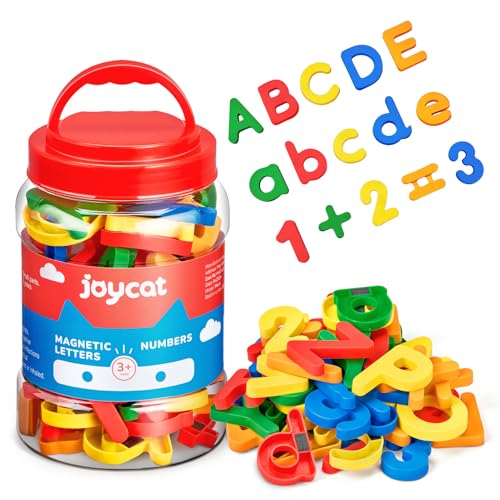
JoyCat’s 78-piece magnetic set provides uppercase and lowercase letters, numbers, and math symbols in a durable, portable package. The larger 1.2 to 1.5-inch pieces are designed for little hands, encouraging letter and number recognition, early math exposure, and independent practice at magnetic boards or on refrigerators in classroom centers. The sturdy plastic bucket facilitates easy storage and transport between stations.
JOYIN Educational Toys Play Food Set

This JOYIN play food set brings a colorfully organized pretend kitchen experience to the classroom. With assorted fruits, vegetables, and meats grouped into five baskets, students can practice color recognition, sorting, and vocabulary as they name foods and categorize them. The variety of pieces supports dramatic play, which strengthens social skills and communication during center time or guided play activities.
Play-Doh Bulk Pack

The Play-Doh Bulk Pack provides 48 cans across six sets of eight colors, totaling 9 pounds of modeling compound. This bulk assortment supports creativity and fine motor development across centers and teacher-guided activities. With abundant color options, students can explore color mixing, texture exploration, and collaborative art projects, making it a staple for back-to-school classroom prep and ongoing creative stations.
Buying Guide
- Age appropriateness: Choose sets labeled for preschool ages 2–5 to ensure safety and developmental fit. Look for larger pieces to reduce choking hazards and ease handling for small hands.
- Durability and storage: In busy classrooms, toys should withstand frequent use and rough handling. Models with sturdy containers or bins help keep centers organized and reduce breakage.
- Learning focus: Align toys with core early learning goals—alphabet knowledge, number sense, sorting and color recognition, and fine motor skills. A mix of literacy, math, and hands-on play supports a well-rounded program.
- Open-ended play: Favor toys that encourage imagination and social interaction rather than fixed outcomes. Open-ended play fosters language development and collaborative skills among peers.
- Storage and portability: Consider classroom logistics. Items with easy-to-clean surfaces and compact packaging can be moved between centers or stored in closet bins between sessions.
- Safety standards: Check for non-toxic materials, rounded edges, and BPA-free plastics to ensure classroom safety during active play and shared use.
- Inclusivity and accessibility: Select toys that support diverse learners, including options that accommodate varying skill levels and encourage peer collaboration.
These selections provide varied modalities for preschool classrooms: expressive language through dramatic play, cognitive growth through sorting and phonics activities, and fine motor development via hands-on manipulation. Teachers can mix and match items for center rotations, formative assessments, and classroom displays that celebrate early achievements.