Play sand for kids is a simple, enduring way to spark tactile exploration, motor skills, and imaginative play. This guide highlights popular, low-dust options that are safe for homes and classrooms. Each product below presents unique textures, washes, and uses—from sandboxes to sensory tables—so families and educators can choose the right fit for their spaces and activities. All selections emphasize cleanliness, safety, and developmental benefits to support hands-on learning.
style=”display:none;”>Summary Table of Chosen Products
| Product | Brand | Key Benefit | Approx. Weight |
|---|---|---|---|
| Palmetto Soft Play Sand, Creme | Play Sand | Soft, low-dust, great for sensory play | 50 lbs |
| Sun Joe Ultra Fine Silica Play Sand | Sun Joe | Ultra-clean, versatile for sensory and art | 20 lbs |
| Sandpiper Multiuse Play Sand | Sandpiper | Washed, low-dust, adaptable for tables and sandboxes | 50 lbs |
| Kinetic Sand, Beach Sand | Kinetic Sand | Magically moldable, resists drying out | 3.25 lbs |
| SandPiper Premium Natural White Sand | Sandpiper | Ultra-fine, safe for indoor/outdoor use | 25 lbs |
Palmetto Soft Play Sand For Sensory Fun

Palmetto Soft Play Sand is designed for kids who love hands-on exploration. The creme-colored sand offers a soft, clean texture with minimal dust and debris, making it suitable for sandboxes, sand tables, and classroom centers. The product aims to support safe play while encouraging sensory engagement and imaginative scenarios as children dig, pour, sift, and build.
Features emphasize safety and development: a smooth, chunk-free composition helps prevent frustrations during scooping or molding. The large 50-pound bag provides ample material for ongoing activities, classroom centers, or family play sessions. Ideal for projects that blend fine motor skill practice with creative storytelling and easily cleaned spills.
Sun Joe Ultra Fine Silica Play Sand

Sun Joe offers ultra-clean, natural white silica sand with a smooth texture designed for versatile use. It’s well suited for molding, digging, and sculpting in sandboxes, sensory tables, gardens, and even aquariums or art projects. The fine grain supports precise shaping while remaining safe for a variety of ages and activities, promoting tactile exploration and fine motor skill development.
Its multi-use nature makes it a solid choice for classrooms that rotate between sensory play and art projects. The white color helps highlight details in sand sculptures and tableaux, supporting visual learning alongside hands-on exploration. Regularly used in therapy settings for controlled sensory experiences, this sand balances cleanliness with craft potential.
Sandpiper Multiuse Play Sand
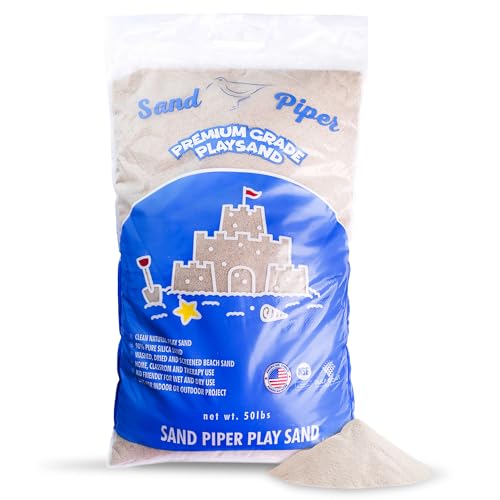
This Sandpiper option is washed to minimize dust and debris, making it a reliable choice for clean play spaces. The 50-pound supply is well suited for families with multiple children or classroom centers. The texture is designed to be smooth and uniform, facilitating easy molding and shaping for sandcastles, dunes, and other imaginative builds without excessive mess.
Versatility stands out: this sand doubles for use in small sand tables or as decorative beach-inspired décor. Its low-dust profile supports extended play sessions and reduces cleanup time after creative sessions, while maintaining a high-quality, moldable feel for little hands.
Kinetic Sand Beach Sand
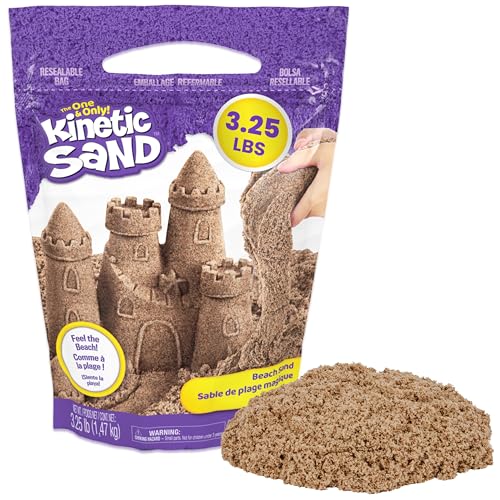
Kinetic Sand is the original moldable play sand that clumps together without drying out, enabling easy cleanup and repeated play. The 3.25-pound bag is convenient for individual projects or small-group activities, and its unique texture keeps hands engaged as kids sculpt, press, and create with a sand that sticks together for extended storytelling possibilities.
Designed for ages three and up, this sand fosters creative thinking and fine motor skills through act-and-react play. It’s particularly useful for classrooms and therapy settings where structured sensory play benefits from a predictable, tactile material that reduces dust while offering satisfying firmness for shaping.
SandPiper Premium Natural White Sand

SandPiper Premium White Sand focuses on a fine, safe texture designed for both indoor and outdoor play. The rigorous cleaning and screening ensure a low-dust product ideal for sandboxes, classrooms, and sensory tables. The ultra-fine grains provide a smooth feel for sculpting and delicate building, supporting early motor skills and creative expression.
The white color minimizes visual fatigue during long play sessions and supports a broad range of sensory activities. Its safety-tested, natural composition makes it suitable for kids’ crafts, garden art, and therapy-based activities that rely on consistent texture and performance.
U.S. Silica Large Play Sand

U.S. Silica Large Play Sand is designed for engaging sensory play with a focus on quality and safety. Packaged in a 50-pound bag, this white, finely graded sand holds its shape well for a range of activities—from traditional sandpits to art trays and sensory boxes. It’s non-toxic and free from harmful chemicals, aiming to create a dependable play environment for children.
The product emphasizes durability and ease of cleanup, helping caregivers manage busy play areas. Its texture supports both building and sculpting, making it a versatile option for homes, classrooms, or therapy spaces that prioritize structured sensory development alongside imaginative play.
Buying Guide: Key Purchase Considerations
- Dust and safety: Look for washed, low-dust sand options to reduce mess and respiratory concerns, especially for sensitive environments or young children.
- Texture and molding: Fine to ultra-fine grains are ideal for sculpting and detailed builds, while slightly coarser grains can offer sturdier structures in early-stage projects.
- Weight and quantity: Consider the size of your play area and the number of children who will use the sand. Larger bags (25–50 lbs) suit families and classrooms; smaller bags work for individual activities.
- Multi-use potential: Some sands are designed for classrooms, aquariums, terrariums, crafts, and décor. If you need versatility, prioritize multi-use options.
- Care and maintenance: Materials that are easy to clean and resist excessive dust reduce cleanup time and maintain a tidy learning space.
- Safety certifications: Non-toxic labeling and child-safety testing are important for homes with toddlers and in school settings.
- Color and aesthetics: Natural white or creme sands often blend well with various décor schemes and sensory setups, while colored sands can support themed activities or therapy goals.
- Therapy and education relevance: For therapy or classroom use, choose sands that facilitate fine motor skills, hand-eye coordination, or sensory integration through structured play.
The product options above offer a spectrum of textures, uses, and sizes to suit different environments. When selecting play sand for kids, balance tactile experience with cleanliness, safety, and the developmental needs of the children involved. Consider starting with a mid-weight bag for versatility and expanding as you observe how your children interact with the material.