Choosing a kid-friendly scooter means balancing stability, ease of use, and growth potential. Micro Scooters are widely recognized for their lean-to-steer design, lightweight frames, and longevity. The following selections highlight models that suit young riders from toddlers to tweens, with attention to age ranges, build quality, and portability. This guide compares five Micro options to help parents decide which scooter best fits their child’s development and activity level.
Summary Of Chosen Products
| Product | Age Range | Key Benefit | Why It Stands Out |
|---|---|---|---|
| Micro Mini Deluxe (Blue) | 2-5 | Lean-To-Steer stability | Grows with child; sturdy yet lightweight |
| Mini Deluxe (Lavender) | 2-5 | Balanced ride for beginners | Adjustable T-bar; reliable Micro quality |
| Micro Kickboard – Mini Deluxe (3-Wheeled) | 2-5 | Lean-To-Steer control | Excellent balance training; durable |
| Micro Kickboard – Maxi Deluxe LED | 5-12 | LED light-up wheels | All-day visibility; extended age range |
| Micro Sprite (Two-Wheeled) | 6+ | Compact, foldable portability | Slim design for older kids; easy to carry |
Micro Mini Deluxe 3-Wheeled, Lean-To-Steer (Blue)

The Micro Mini Deluxe 3-Wheeled scooter is designed for younger riders who are learning balance and coordination. Its Lean-To-Steer mechanism shifts steering effort to a natural lean, reducing the need for aggressive turning and helping children feel secure as they push off. The scooter is noted for its strong yet lightweight build, capable of supporting up to 110 pounds, which means it can accompany a child through several months or even years of growth. The adjustable T-bar helps the scooter mature with the rider, from early toddlers to preschoolers, ensuring continued use as skill improves. The design prioritizes low steps, making it easy for small riders to mount and stand confidently while gliding smoothly.
Key features include a durable deck and wheels engineered for stability on typical sidewalks and driveways, plus a compact form that is easy to store. The Mini Deluxe line is well-regarded for longevity and consistent performance, which is essential for families seeking a single, reliable scooter that can begin as a toddler vehicle and stay relevant into early childhood.
Mini Deluxe 3-Wheeled, Lean-To-Steer (Lavender)
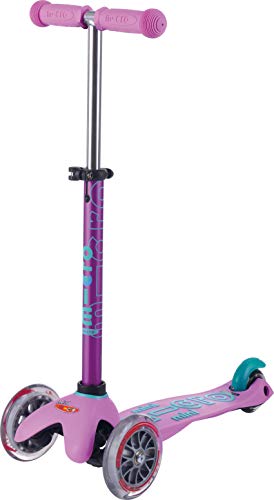
This lavender variant of the Micro Mini Deluxe continues the core benefits of the lean-to-steer design and four-season usability. With support for children ages 2 to 5, this scooter emphasizes stability, balance development, and easy propulsion. The adjustable T-bar accommodates growth, allowing the handlebar height to be set as a child’s height increases, which helps maintain proper posture and control. The scooter’s lightweight construction reduces fatigue during longer sessions and makes it simple for parents to carry or store when not in use.
Children can practice pushing off from a standing start and gradually learn to steer by leaning into turns. The Mini Deluxe line’s three-wheel setup provides a stable center of gravity, minimizing wobbles for new riders. This model maintains Micro’s reputation for quality materials and craftsmanship, ensuring the scooter remains a trusted choice for early riders who demand reliability and ease-of-use.
Micro Kickboard – Mini Deluxe 3-Wheeled

The Mini Deluxe 3-Wheeled scooter mirrors the design principles of the Mini Deluxe family, focusing on balance and lean-to-steer mechanics that help young riders intuitively control speed and direction. This model is particularly well-suited for preschoolers who are transitioning from baby vehicles to a full-fledged kick scooter. The build is described as incredibly sturdy for its size, with an emphasis on safety features such as a stable deck and manageable wheelbase. As with other Micro products, the T-bar is adjustable to grow with the child, ensuring continued usability as the rider becomes more competent.
Riders benefit from a smooth glide across common surfaces, which reduces the effort required to maintain momentum. The combination of lightweight materials and durable construction offers a practical balance between portability and resilience, making it a strong option for daily use, park visits, or short neighborhood excursions.
Micro Kickboard – Maxi Deluxe LED 3-Wheeled

The Maxi Deluxe LED adds motion-activated, light-up wheels to the familiar lean-to-steer Maxi platform, enhancing visibility and fun for children during dusk or evening rides. Designed for ages 5 to 12, this scooter maintains a lean-to-steer approach while offering a robust weight limit and a tall, adjustable T-bar. The dual advantages of stability and extended usability into pre-teen years make this model a strong option for families seeking a longer-term scooter solution. The LED wheels can boost safety by increasing visibility while still keeping the scooter lightweight and easy to maneuver. It is built to handle typical day-to-day use, including school commutes, park trips, and neighborhood cruising.
As with other Micro Maxi models, the scooter emphasizes smooth gliding performance, which helps children build confidence as their speed and steering skills improve. The option to fold or adjust the T-bar provides flexibility for kids who are growing rapidly or who need to adjust for seating on a ride-along to different activities.
Micro Sprite – Two-Wheeled Fold-to-Carry

The Sprite is Micro’s compact, foldable two-wheeled scooter designed for riders starting around age six and up. While smaller than the triple-wheel Mini Deluxe models, the Sprite emphasizes portability without sacrificing the brand’s hallmark smooth glide and solid construction. It’s ideal for kids who need a highly portable scooter to take to school, the park, or on trips. The two-wheel design demands greater balance, which can be a development booster as kids grow more confident on two wheels. The lightweight frame and foldable capability enable easy storage in a backpack or locker, making it a practical choice for active families on the go.
Despite the compact form, Micro’s commitment to quality remains evident. The Sprite is built to deliver dependable performance, with materials and workmanship designed to endure frequent use. It suits older children who are transitioning from three-wheeled beginner scooters to a more agile two-wheeled experience, while still offering the brand’s emphasis on safety and stability.
Buying Guide: Key Purchase Considerations For Micro Scooters
- Age And Skill Alignment: Choose a model that matches your child’s current balance and coordination level. Three-wheeled options offer more stability for beginners, while two-wheeled designs help older kids build balance and confidence.
- Growth And Adjustability: Look for adjustable T-bars (handlebars) and deck height. A scooter that grows with the child offers better long-term value and extended use.
- Weight Capacity: Confirm the maximum rider weight to ensure the scooter can be used for a meaningful period without compromising safety.
- Portability: Consider weight and foldability, especially for families who travel or store scooters in small spaces like a car trunk or apartment closet.
- Wheel And Deck Quality: Durable wheels and a sturdy deck support consistent performance on typical sidewalks, driveways, and school paths.
- Visibility And Safety: LED wheels or bright colorways can increase visibility, which may be beneficial for dusk rides or busy areas.
- Maintenance And Accessories: Check for potential replacement parts or accessories such as spare wheels or grips, which can extend the scooter’s lifespan.
- Usage Scenarios: Plan for where the scooter will be used most—parks, neighborhoods, or school routes—to select the model that best fits those conditions.
- Storage Considerations: A compact, foldable design can help when space is limited, enabling easier storage in lockers or car trunks.
- Price vs. Longevity: While price isn’t listed here, evaluate value by considering build quality, weight, and the potential for long-term use as the child grows.
These considerations help balance immediate needs (age, skill, terrain) with long-term use (growth, durability, portability). The Micro brand’s lean-to-steer approach remains a central theme across models, supporting a smoother learning curve for young riders while delivering dependable performance as kids advance to more skilled riding.