Choosing a helmet for a toddler is about safety, fit, and comfort. The following selections focus on helmets suitable for ages 2 and nearby, offering secure sizing, ample ventilation, and durable shells to protect young riders during biking, scooting, skateboarding, and more. The included product list draws from popular options with adjustable fits and kid-friendly features to help parents make an informed choice.
| Brand | Product | Suggested Age Range | Key Feature |
|---|---|---|---|
| Lemmeko | Toddler Helmet, Adjustable 1-3/2-4/3-5/5-8 | 1-8 years | 11 vents, adjustable rear dial, removable padding |
| MOUNTALK | Toddler Bike Helmet XS (0-2 yrs) | 0-2 years | XS sizing, multi-size options |
| Retrospec | Scout Kids Bike Helmet | 2+ years | 14 vents, built-in sun visor, adjustable fit |
| OUWOER | Kids Bike Helmet 3 Sizes (Blue) | 2-14+ years | Three sizes, multiple color options, ASTM/CPSC compliant |
| Bimalsic | Toddler Helmet 1-3 Years (Dinosaur) | 1-3 years | 12 vents, dual liner, extended head coverage |
Lemmeko Toddler Helmet With Adjustable Fit

The Lemmeko toddler helmet targets early riders with a protective combination: a hard PC outer shell to resist impacts and an EPS foam core for cushioning. It suits ages 1-8, emphasizing indoor and outdoor activities for toddlers and young children. Ventilation is adequate with 11 vents to reduce sweating, and removable inner padding simplifies cleaning. Fit is enhanced by a back-adjustment dial and an adjustable chin strap, accommodating head circumferences from roughly 18.9 to 21.7 inches. This makes it a versatile option for growing kids who need a reliable, easy-to-adjust helmet.
MOUNTALK Toddler Bike Helmet XS (0-2 Years)
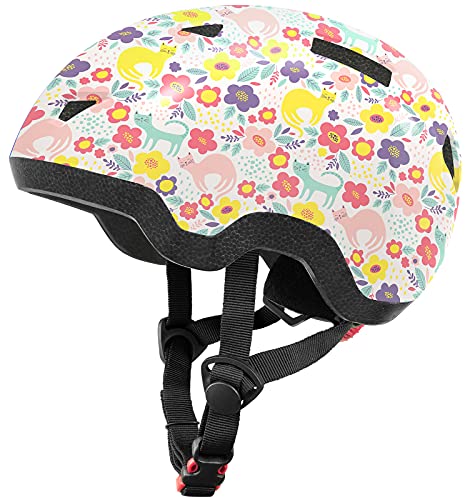
This helmet is designed specifically for infants and toddlers in the 0-2 year range, with size XS intended for the smallest heads. It uses a multi-size approach across its product line to ensure a secure fit as children grow. The design focuses on lightweight construction and a snug, comfortable feel to encourage consistent use during early riding adventures. Parents should verify the exact size chart to confirm the best fit for their child’s head circumference.
Retrospec Scout Kids Bike Helmet

Retrospec emphasizes safety with impact-absorbing foam and a durable shell. An adjustable dial system and comfortable chin strap provide a secure, all-day fit, which is important for active toddlers and early riders. Ventilation is a strength, with 14 vents designed to keep air moving and reduce overheating on long rides or sunny days. A built-in sun visor adds practical shading for outdoor use, helping protect growing eyes during sunny periods.
OUWOER Kids Bike Helmet triple-size Options (Blue)
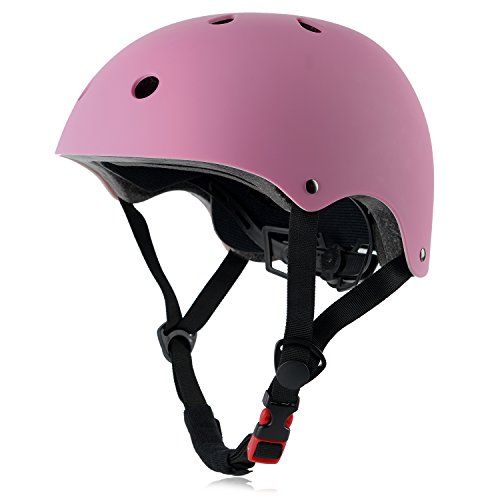
OUWOER provides a three-size system intended to cover a broad age range from toddlers to youth. This approach helps families with siblings or rapid growth transitions. The helmet uses an ABS outer shell paired with a quality EPS core for impact absorption and includes multiple vents to promote airflow. It complies with key U.S. safety standards, offering reassurance for parents focused on regulatory compliance and rider protection during varied activity levels.
Bimalsic Dinosaur Toddler Helmet With Dual Liner

Bimalsic offers a dinosaur-themed helmet with a dual-liner system for added safety and comfort. It targets the 45-51 cm head circumference range typical for 1-3 year olds, with a back dial to fine-tune fit as the child grows. Ventilation is well considered with 12 strategically placed vents to manage heat during biking, skating, or scooter activities. The durable outer shell and extended head coverage emphasize protection for active toddlers across multiple sports and environments.
Buying Guide: Key Purchase Considerations For Toddler Helmets
- Size and fit: For ages around 2, look for XS options or helmets with adjustable rear dials and chin straps. Verify the head circumference range and measure your child’s head before purchasing to ensure a secure fit.
- Ventilation and comfort: Toddlers overheat quickly, so 10-15 vents are common. Removable, washable liners improve hygiene and comfort for longer wearing periods during play or travel.
- Protection standards: Choose helmets that meet or exceed CPSC safety standards for bicycle helmets. Some brands also reference ASTM or other safety certifications; this information helps gauge overall protection.
- Adjustability: Helmets with adjustable dials, chin straps, and multi-size options support longer use as a child grows. This reduces the need for frequent replacements.
- Durability and materials: A tough outer shell with a well-cushioned EPS liner offers better impact resistance. Look for lightweight designs to avoid discouraging use due to heaviness.
- Practical features: Some helmets include built-in visors, removable pads, or easy-clean designs. These features can be especially helpful for active toddlers who engage in diverse activities.
- Style and appeal: While safety is paramount, choosing a fun color or character can encourage consistent helmet wear by making the experience enjoyable for the child.
- Care and maintenance: Removable pads and washable liners extend the helmet’s usable life and maintain comfort. Follow cleaning instructions to preserve material integrity.
Usage Scenarios And Fit Considerations
Toddler helmets work across multiple activities, from bikes and scooters to skateboards. When selecting, consider the activity’s typical pace and environment. For very young riders, prioritize helmets with snug adjustable features and a secure jaw strap to prevent slipping during spontaneous movement. For children around age 2, a compact, light helmet with a comfortable liner ensures children wear it consistently.
Sizing And Longevity Strategy
Parents often want a single helmet that lasts several years. Look for helmets with adjustable rear dials or multi-size ranges that cover early childhood and can adapt as the child’s head grows. Regularly recheck the fit after several months, especially during rapid growth phases, and replace the helmet if it shows any visible damage or after a significant impact.