Discover lifelike cat companions designed to provide comfort, companionship, and cognitive engagement for seniors and individuals with dementia. This guide highlights five highly relevant options, ranging from plush “breathing” cats to interactive robotic pets, each offering a comforting presence without the responsibilities of real pet ownership.
| Product | Brand | Notes |
|---|---|---|
| Original Petzzz Black and White Shorthair Kitten | 88 Unlimited | Lifelike, breathing feature for a realistic ownership experience. |
| Perfect Petzzz Orange Tabby Cat | Soft Toys | Lifelike, breathing belly; classic Petzzz realism. |
| Lifelike White Sleeping Cat Figurine | Basuo-9Q | Handcrafted, real fur over plastic; realistic sleeping pose. |
| Lifelike Brown and White Sleeping Cat Figurine | Basuo-9Q | Handcrafted, soft fur, lifelike curled sleeping pose. |
| Chongker Interactive Companion Robot Cat | Chongker | Touch-responsive, heartbeat, purring; robotic realism. |
Original Petzzz Black and White Shorthair Kitten
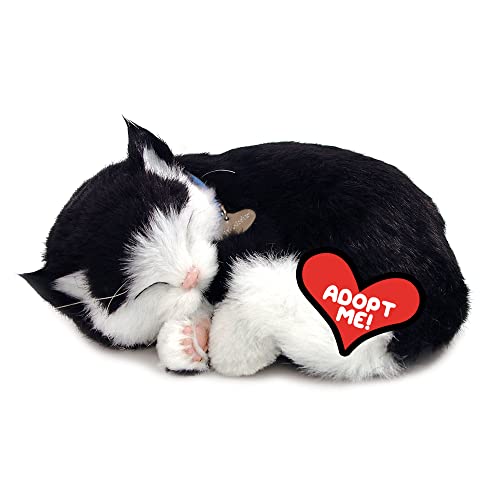
The Original Petzzz Black and White Shorthair Kitten offers a realistic pet-ownership experience with a patented breathing element that simulates life-like movement. The compact size (approximately 10”L x 7.5”W x 3.5”H) makes it easy to place in living rooms or on bedside tables, providing soothing companionship without the responsibilities of feeding or vet visits. This model is marketed as a relaxing companion suitable for seniors and children, emphasizing simple, low-hassle interaction for daily comfort.
Perfect Petzzz Orange Tabby Cat
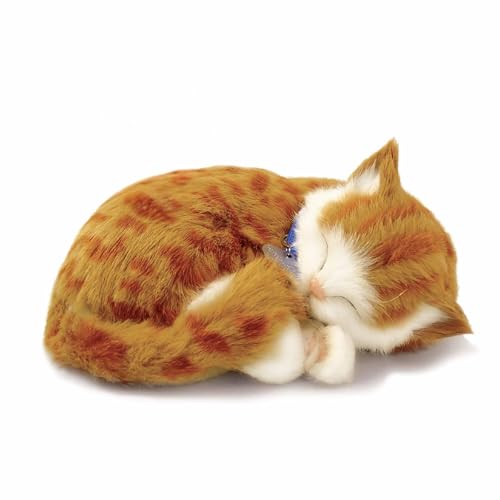
This orange tabby offers the same breathing realism and hassle-free ownership as the black-and-white Petzzz. Its plush body and lifelike belly movement provide a comforting, tangible presence—especially appealing to seniors who appreciate a familiar, cozy toy. The product focuses on easy care, with no feeding or litter obligations, making it suitable for dementia care settings where simple, predictable interactions are valued.
Lifelike White Sleeping Cat Figurine

This handcrafted white sleeping cat figurine blends lifelike details with a calm resting pose. Covered with faux fur and shaped on a plastic mold, it presents a realistic appearance that can evoke familiar pet experiences without requiring care. The compact dimensions make it adaptable for a bedside display or a living room shelf, contributing to a tranquil environment for dementia patients or seniors seeking a comforting presence.
Lifelike Brown and White Sleeping Cat Figurine

Featuring a brown and white bicolor palette with a curled sleeping pose, this figurine emphasizes a realistic look and soft fur texture. Its smaller footprint and gentle design support a calm ambiance in rooms where dementia patients might benefit from familiar, non-intrusive companionship. Handcrafted craftsmanship is highlighted, aiming to deliver a convincing pet-like presence without ongoing care needs.
Chongker Interactive Companion Robot Cat

This stuffed robot cat combines soft, handmade aesthetics with interactive technology. Four built-in sensors respond to touch and emit different meow sounds, purring, and a simulated heartbeat, offering a more dynamic experience than static plush. The cat is presented as a comforting option for seniors who may respond to motion, sound, and tactile feedback. Handcrafted detailing aims to reflect a real-cat likeness while ensuring durability for daily use.
Buying Guide: Key Purchase Considerations
- Purpose and setting: For dementia care, prioritize low-maintenance, non-demanding companions that provoke calm responses and reduce agitation. Plush and plush-like robotic cats can offer steady companionship without ongoing obligations.
- Realism vs. simplicity: Highly realistic “breathing” toys provide a tangible sense of ownership, but simpler sleeping cat figurines can reduce overstimulation for some individuals. Consider the patient’s preferences and sensory needs.
- Safety and durability: Soft materials with durable stitching are important for frequent handling. Avoid small, detachable parts that could be a choking risk for some seniors.
- Care and cleanliness: Plush and fur-covered models may require light cleaning. Choose washable or easy-care surfaces when possible to maintain a comfortable, hygienic environment.
- Engagement level: Interactive options (sound, heartbeat, touch sensors) can stimulate cognition in some individuals, but others may prefer a quiet, contemplative display. Offer a mix when possible.
- Ethical and emotional considerations: Some users respond best to models that closely resemble real pets, while others benefit from clearly artificial or robotic forms that set appropriate expectations and avoid caregiver frustration.
- Space and placement: Use bedside tables, living room shelves, or recliner pockets to place the companion within easy reach. A comforting, accessible display supports daily interaction intervals.
- Maintenance schedule: Plan for occasional dusting or gentle cleaning, and consider rotating devices to preserve novelty and engagement without overwhelming the user.
Choosing the right cat companion involves balancing realism, interaction level, and the recipient’s comfort. The selections above provide a range of options—from breathing plush toys that mimic real pets to robotic companions that actively respond to touch—allowing caregivers to tailor comfort and cognitive engagement to individual needs.