Finding engaging, educational activities for 12-year-olds can boost problem-solving, creativity, and confidence. This guide highlights top STEM-focused building projects that suit ages around 12, featuring hands-on kits that cover solar power, electronics, robotics, and engineering. Each option encourages independent exploration while offering family-friendly collaboration. The selections below emphasize safe materials, clear instructions, and expandable play, helping kids build real-world skills through creative play.
| Product | Brand | Key Focus | Amazon Link |
|---|---|---|---|
| STEM Kits for Kids Ages 8-10-12-14, Solar Car & Plane, Wind Car | SCAEMO | Solar energy generation, multiple build options | View |
| Stem Projects: Bluetooth Speaker & FM Radio Kit | choopheme | DIY electronics, audio projects | View |
| STEM 13-in-1 Solar Power Robots | Bottleboom | Robot building, solar-powered motion | View |
| COBFDHA STEM Projects: Solar Robots | COBFDHA | Robotics with solar and battery power | View |
| Poraxy Bluetooth Speaker & FM Radio Kit | Poraxy | Electronic assembly, 3D puzzles | View |
Below are detailed product sections that focus on five relevant building projects for 12-year-olds: SCAEMO STEM Kits, choopheme Bluetooth Speaker & FM Radio, Bottleboom 13-in-1 Solar Power Robots, COBFDHA Solar Robot Projects, and Poraxy Bluetooth Speaker Kit. Each section includes an image, a concise feature summary, and practical notes to help caregivers choose the right kit for their child’s interests and skill level.
SCAEMO Solar & Wind STEM Kits for Older Kids

These four wooden STEM kits offer solar-powered car and plane builds, a wind-powered car, and an electric fan. Each kit is individually packaged to simplify assembly and allow kids to complete multiple projects in one session. This setup supports family bonding as parents can coach or participate as peers and teachers. The kits’ gift-box presentation makes them a compelling gift for birthdays or holidays, especially for budding inventors ready to demonstrate projects at science fairs.
choopheme Bluetooth Speaker & FM Radio DIY Kit

This kit includes two major projects: a Bluetooth speaker and an FM radio, both designed to be assembled by 8- to 12-year-olds. It emphasizes easy-to-follow assembly with clear instructions and a single screwdriver. The projects promote cognitive flexibility as kids learn circuitry, audio engineering, and problem solving. The kit is well-suited for hands-on learners who enjoy building and customizing their own electronic devices.
STEM 13-in-1 Solar Power Robots

This set lets kids build 13 different robots that move on land or water, with parts that can be disassembled and reassembled. It uses a solar panel to convert sunlight into motion, offering a practical look at renewable energy. The kit is designed for 8- to 12-year-olds and supports progressive mastery—from basic rover concepts to more complex configurations—making it ideal for extended play sessions and classroom-style challenges at home.
COBFDHA Solar Robot Projects
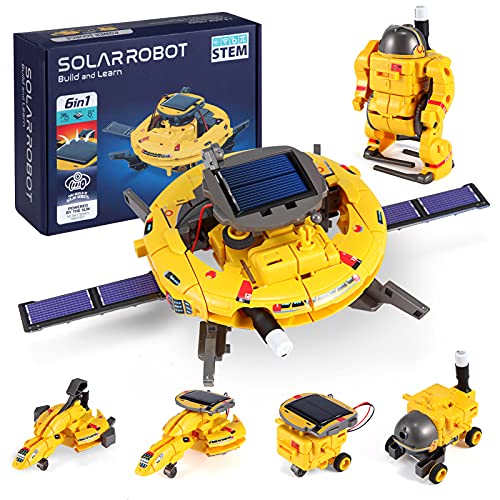
COBFDHA’s kit features six different robot designs powered by solar energy or batteries, encouraging experimentation with power sources and energy conversion. This option supports creative problem solving as kids decide which builds work best in different environments. It also highlights manual dexterity and logical thinking as children assemble components, test outputs, and iterate on designs for improved performance.
Poraxy Bluetooth Speaker & FM Radio Kit

Poraxy combines a Bluetooth speaker and an FM radio project into one kit, with non-toxic plywood pieces that are laser-cut for precision and ease of assembly. The kit emphasizes hands-on electronics, providing an opportunity to explore wireless audio technology, radio reception, and circuit design. It’s designed for a wide age range, making it suitable for collaborative family projects where older kids mentor younger siblings.
Buying Guide
- Skill level and scope: Consider whether the child is just starting with STEM or ready for more advanced robotics and electronics. Pick kits with adjustable difficulty or multiple projects to grow with the kid.
- Power source: Solar-powered sets teach renewable energy and outdoor applicability, while battery-based kits are better for indoor use or cloudy days. Evaluate your typical play environment when choosing.
- Assembly complexity: Look for clear instructions and well-labeled parts. Some kits require basic tools; confirm that these are included or readily available.
- Learning outcomes: Seek kits that emphasize problem-solving, experimentation, and iterative design rather than single-step tasks.
- Expansion potential: Kits that share compatible parts or allow adding new projects can extend playtime and learning.
- Safety and materials: Verify that components use non-toxic materials and have smooth edges for younger or more cautious builders.
When evaluating options, balance the child’s interests with opportunities to develop critical STEM skills. Options featuring solar power, electronics, and mechanical design tend to offer the broadest learning impact. For groups or families, select kits that encourage collaboration and role rotation so each participant experiences different aspects of engineering and experimentation.