Choosing the right bicycle for an 11-year-old involves balancing safety, comfort, and the thrill of riding. The following hand-picked picks are well-suited for pre-teens who are developing balance, speed control, and confidence on a variety of terrains—from neighborhood streets to light trails. Each option emphasizes sturdy construction, adjustable sizing, and reliable braking so young riders can explore with less worry.
Summary table of featured products:
- WEIZE Kids Mountain Bike, 20 Inch – 6 speeds, dual suspension, steel frame
- Glerc 20 Inch Kids Bike – 21-speed, front suspension, disc brakes
- 67i BMX Bike – 20 inch, U brakes, pegs for tricks, adjustable seat
- cubsala Freestyle BMX Bike – 18 inch, durable Hi-Ten steel, 32T drivetrain
- JOYSTAR 20 Inch Kids Bike – training wheels, adjustable seat, easy assembly
WEIZE 20-Inch Kids Mountain Bike

The WEIZE bike is designed for ages roughly 6-10 or riders 42-55 inches tall, offering a lower standover height to simplify mounting. Its high-carbon steel frame emphasizes safety and durability, essential for energetic 11-year-olds who may ride on uneven surfaces. The bike uses 20×2.125″ tires that resist punctures and provide stability, supporting confident riding on sidewalks or light trails. A dual handbrake system with front and rear V-brakes ensures controlled stopping, which helps new riders build consistent braking habits.
Features include ergonomic frame construction for safe rider alignment and a rugged drivetrain to support a growing rider’s momentum. The combination of a trusted steel frame and reliable braking helps young riders transition from training wheels to independent riding with more control. Riders will enjoy a balanced ride with confidence on moderate terrain, making this a strong option for an 11-year-old seeking adventure.
Glerc 20-Inch Kids Bike With Front Suspension
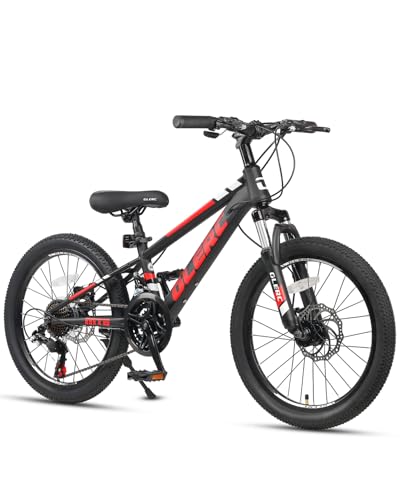
The Glerc 20-inch kids bike targets riders aged 6-10 with a sturdy high-carbon steel frame that can handle off-road challenges. It features a 21-speed drivetrain for versatile gear options, enabling efficient shifting across varying terrains. The front suspension helps absorb bumps on uneven paths, improving comfort and control. Disc brakes provide reliable stopping power even in damp or muddy conditions, which is critical as children practice braking techniques and build confidence in diverse environments.
This model is well-suited for riders who want more speed range without sacrificing stability. The combination of a resilient frame, wide gear selection, and responsive braking supports steady progression from simple neighborhood rides to more ambitious weekend adventures. The bike’s design encourages longer rides, height-adjustable components, and continued enjoyment as your child grows taller and stronger.
67i Boys BMX Bike With U Brakes

The 67i BMX bike is built for kids who want a bit more stunt-friendly riding. It features U-brakes for quick, reliable stopping and 165mm one-piece cranks with a 36T chainring to deliver smooth pedaling power on uphill climbs. The design includes four steel pegs, opening up opportunities for basic park-style tricks and grind practice—an excellent way for an active 11-year-old to expand riding skills in a controlled environment. The seat is adjustable to accommodate growth, so the bike remains usable across several seasons.
With its emphasis on safety and grow-with-me adaptability, this bike supports progressive skill development. It is best for riders who are ready to explore light tricks and more dynamic riding styles, while maintaining a strong emphasis on stability and control during regular street or trail use.
cubsala Freestyle BMX Bike, 18 Inch

The Cubsala Crossea18 is designed as a first BMX bike for younger riders, with a suggested rider height range of 3’7″ to 4’5″. The 18-inch frame is paired with a 17.3″ top tube and a sturdy Hi-Ten steel frame for long-lasting comfort and reliability in street, park, or trail settings. A 152 mm one-piece crank with a 32T chainring supports straightforward pedaling, and both aluminum U-brake and hand-brake levers deliver precise speed control for new riders learning to brake confidently. This setup makes it a good fit for beginners who want to try BMX-influenced riding without overextending into more advanced equipment.
Durability, ease of handling, and a forgiving geometry help reduce missteps while learning tricks and basic balance skills. The overall design supports steady skill development, promoting safe progression as riders grow taller and more capable on bikes.
JOYSTAR 20 Inch Kids Bike For Ages 8-12

The JOYSTAR 20-Inch bike is designed for children aged 8-12 and features training wheels, a basket, and a water bottle holder for early riders. Quick-release seat adjustment makes height changes straightforward, enabling a longer period of use as a child grows. A protective chain guard and both foot and hand brakes provide enhanced stopping power and safety, while the DIY decal option encourages young riders to personalize their bike. Easy assembly and a focus on approachable features make this a practical option for beginners who are transitioning away from training wheels.
JOYSTAR emphasizes user-friendly setup and adjustable components, which is helpful as an 11-year-old becomes more independent. The combination of stability, safety features, and kid-friendly accessories supports gradual skill advancement in a controlled, enjoyable riding experience.
Buying Guide: Key Purchase Considerations And Comparisons
- Rider size and bike fit: For an 11-year-old, a 20-inch wheel size is typically appropriate, but measure inseam length and leg extension to ensure comfortable leg clearance when pedaling. A lower standover height helps with mounting and dismounting, reducing the risk of falls.
- Brakes and stopping power: Look for bikes with reliable braking systems—front and rear V-brakes or mechanical/disc brakes. Effective braking is essential for developing safe stopping habits, especially on varied surfaces.
- Drivetrain and gearing: 6–21 speeds provide enough range to adapt to hills and flats. More gears enable smoother shifting but add complexity; choose a setup that matches the rider’s confidence and experience level.
- Frame material and durability: Steel frames are common for kids bikes due to their strength and cost. If the bike will handle light off-road or rough sidewalks, a sturdy frame reduces maintenance and improves safety.
- Suspension: Front suspension or full suspension helps absorb bumps, increasing comfort and control on uneven terrain. For new riders, suspension can reduce fatigue and improve confidence on longer rides.
- Weight and handling: Lighter bikes are easier to maneuver, especially for pre-teens learning balance and turning. Check the bike’s total weight and ensure the rider can comfortably lift and steer the bike when needed.
- Growth considerations: Look for adjustable seat height and handlebar position to maximize the bike’s usable lifespan as the child grows taller and stronger.
- Safety features and accessories: Training wheels, reflectors, helmets, and padding attached to the bike can significantly improve safety. A chain guard and anti-slip pedals help prevent injuries during learning phases.
- Maintenance and availability: Consider bikes with readily available spare parts and replaceable components (brakes, tires, cables). Regular maintenance helps ensure safety and longevity for growing riders.
- Price-to-value: While price isn’t listed here, compare build quality, components, and after-sale support. A bike with reliable brakes, gears, and a sturdy frame often provides better long-term value than a cheaper, lower-quality option.
These choices reflect a spectrum of rider preferences—from straightforward single-gear or few-gear models suited for beginners to more feature-rich configurations ideal for developing confidence and skills. When selecting, align the bike’s features with the rider’s current abilities and growth trajectory, ensuring a comfortable, safe, and enjoyable riding experience.