Family game nights are a fantastic way to build teamwork, communication, and lasting memories. The right games for young kids and adults alike blend simple rules, quick rounds, and friendly competition. Below are five top picks that suit a young family’s needs—from beginner-friendly introductions to fast-paced round-robin play—ensuring everyone has a great time without long setup or complex instructions. Each title showcases approachable play, vibrant themes, and engaging components that appeal to both kids and grown-ups.
Summary of chosen products:
| Product | Brand | Key Benefit |
|---|---|---|
| Candy Land Kingdom of Sweet Adventures | Hasbro Gaming | Classic beginner game with race-to-the-castle excitement |
| Don’t Break The Ice | Hasbro Gaming | Quick, tactile strategy for ages 3+ |
| Trouble | Hasbro | Simple chase-to-home with a quick setup |
| Hungry Hungry Hippos | Hasbro Gaming | Immediate action and easy storage for preschoolers |
| Connect 4 Classic Grid | Connect 4 | Strategic, two-player grid combat with bright visuals |
Candy Land Kingdom Of Sweet Adventures

This Hasbro Gaming Candy Land edition provides a familiar starting point for families with young children. The game requires no reading, allowing pre-readers to participate fully as they guide their gingerbread man pawn along a path of sweet surprises. The objective is simple: race to the castle by following colored spaces, making it accessible for ages 3 and up. The absence of complex rules helps maintain flow during the game and reduces downtime between turns. It’s a reliable option for introducing turn-taking and basic counting in a low-stress setting.
Suitable for quick play sessions, Candy Land helps kids practice color recognition and early sequence planning while encouraging patience as players wait for their turn. The bright, candy-themed components are visually engaging, which supports sustained attention in younger players. For families with different ages, older siblings can mentor younger ones, turning the game into a cooperative learning moment rather than a competition. This edition remains a dependable starter choice for mixed-age households seeking lighthearted fun.
Don’t Break The Ice

Don’t Break The Ice is a charming preschool-focused casual game that emphasizes steady hands and steady nerves. Players take turns tapping out ice blocks to help Phillip the Penguin stay on top of the ice. The objective is simple but tension-filled: remove a block without letting the penguin fall. As kids age, the game’s intensity naturally increases, helping to cultivate hand-eye coordination, fine motor skills, and strategic thinking about safe moves. With a low setup barrier and 2-4 players, it’s ideal for short play sessions during family gatherings or after-school playtime.
Despite its simplicity, the game offers rich social interaction. It invites kids to communicate, cheer for peers, and practice turn-taking etiquette. The penguin’s balance adds a gentle physics element, sparking curiosity about cause and effect. Because there’s no reading required, families can enjoy inclusive play where younger children aren’t eclipsed by more confident readers. The result is a lighthearted, repeatable game that fits naturally into a family game night rotation.
Trouble Board Game
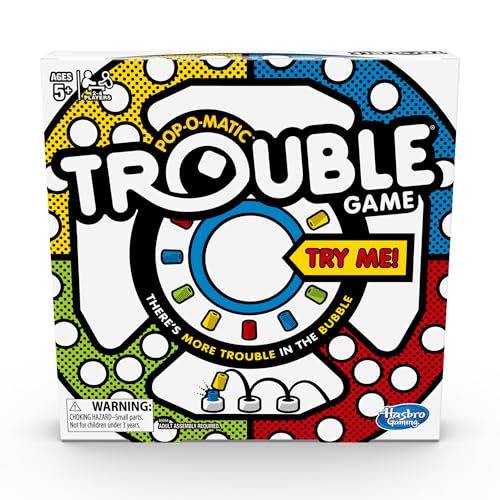
Trouble offers a concise, fast-paced experience that’s easy to learn and quick to play. Players aim to move all their pieces around the board and into the home zone, racing against opponents while using a built-in “Pop-O-Matic” die roller to determine moves. The game’s short rounds are perfect for younger participants, with color-coded pawns aiding recognition and turn-taking. For families, Trouble creates a welcoming setting where kids practice counting, strategic blocking, and predicting opponents’ moves without lengthy downtimes.
Additionally, the option to introduce Power Up Spaces provides a scalable challenge for more seasoned players, allowing families to tailor the game’s difficulty as children grow. The simple rules and familiar mechanics make it a repeatable choice for ongoing family game nights, ensuring younger players feel capable and included in a shared activity.
Hungry Hungry Hippos

Hungry Hungry Hippos is a kinetic kickoff for preschoolers that emphasizes speed, accuracy, and rapid feedback. Players select a hippo and launch marbles toward a central pond, aiming to collect the most marbles with each chomp. The game offers instant marble reloading, which keeps momentum high and encourages repeated play. Setup is quick, storage is straightforward, and the action occurs in short bursts suitable for younger children with limited attention spans.
Beyond sheer excitement, the game introduces basic counting and comparison skills as kids tally marbles at the end of each round. Its bright, chunky pieces are sturdy for little hands, and the competitive element is light, focusing on sharing and social interaction rather than overt conflict. For families with a blend of ages, Hungry Hungry Hippos provides an engaging entry point into board gaming that remains accessible for years.
Connect 4 Classic Grid
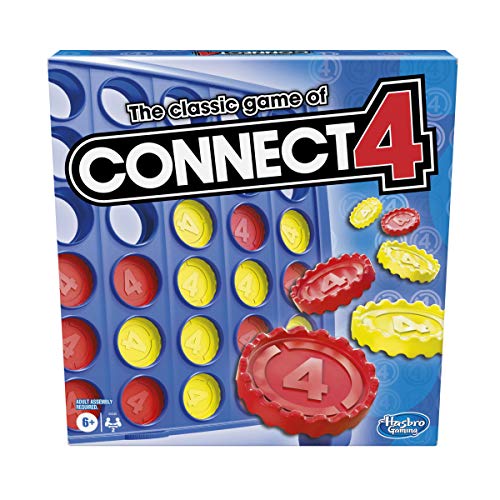
Connect 4 is a staple two-player strategy game that translates well to family play sessions. The objective is simple: be the first to connect four discs in a row, column, or diagonal. The game’s quick rounds and straightforward rules make it ideal for mixed-age groups, while its tactical depth supports ongoing engagement as players sharpen their planning and pattern recognition skills. The modern color scheme and durable components add a contemporary feel without sacrificing familiarity, which helps both new and experienced gamers feel confident at the table.
For families with siblings of varying ages, Connect 4 provides a balanced challenge: younger players enjoy immediate wins through simple diagonals, while older players can explore more complex blocking strategies. It also scales nicely for casual play or competitive rounds, depending on family mood. Overall, it’s a versatile choice that complements a diverse collection of titles aimed at young families.
Buying Guide: Key Purchase Considerations
When selecting games for a young family, consider the following to optimize value and enjoyment:
- Age range and learning goals: Look for titles labeled for ages 3 and up if you want inclusive play for toddlers and older kids. Choose games that promote counting, color recognition, or memory as appropriate.
- Setup time and downtime: Short setup and quick turns reduce restlessness and keep younger players engaged.
- Replayability: Favor games with small variations or adaptable rules to sustain interest as children grow.
- Cooperative versus competitive play: Cooperative or semi-cooperative formats help build teamwork and reduce frustration for younger players.
- Storage and portability: Compact components with simple storage solutions simplify family travel and clutter management.
- Component durability: Chunky pawns, large discs, and sturdy boxes withstand active play from energetic kids.
- Educational value: Some titles blend learning with play, reinforcing color matching, counting, or strategic thinking.
In choosing five games for a young family, the balance between easy entry and engaging challenge is key. Candy Land, Don’t Break The Ice, Trouble, Hungry Hungry Hippos, and Connect 4 collectively cover beginner-friendly play, quick rounds, and a mix of individual and head-to-head competition. They offer approachable entry points for siblings and parents who want to participate without extensive explanations, while still providing opportunities for skill development and social interaction. This combination supports a varied but cohesive family game night strategy that can be adapted as children grow.