Living with sensory processing differences often calls for thoughtful tools that provide safe, calming input. This guide highlights weighted items designed to support focus, reduce anxiety, and improve hand stability for children with autism, SPD, ADHD, and related needs. The selections below balance comfort, practicality, and evidence-informed proprioceptive input to help kids engage more confidently in daily activities.
Summary of selected products:
| Product | Brand | Type | Key Benefit |
|---|---|---|---|
| Weighted Bracelets (Two Pack) | HOOMTREE | Bracelets | Deep pressure input for calming and focus |
| Sensory Weighted Bracelets (Two Pack) | JXM | Bracelets | Deep pressure for sensory support and hand stability |
| Weighted Handwriting Aid (Gloves) | JXM | Gloves | Proprioceptive feedback to reduce tremors during writing |
| Weighted Lap Pad (Grey 5 lb) | Kidaddle | Lap Blanket | Gentle pressure for focus and relaxation |
| Weighted Lap Pad (Grey 7 lb) | Kidaddle | Lap Blanket | Calming support and texture variety |
Below are five carefully chosen products with practical details to help you compare options at a glance.
HOOMTREE Sensory Weighted Bracelets for Kids
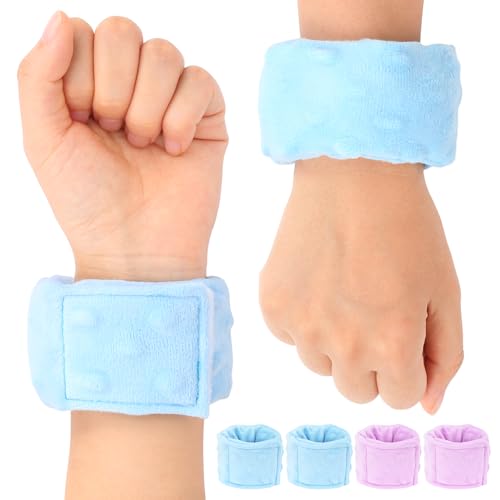
The HOOMTREE weighted bracelets deliver calming deep pressure input to the wrists and hands, which can help children with SPD, ADHD, or autism improve focus and hand stability during tasks. A sensory bubble velvet outer layer provides gentle tactile input and enhances comfort for sensitive skin. The design uses glass bead filling with divided inner compartments to prevent bead migration, ensuring stable, consistent pressure around 3.5 ounces per bracelet. Color differences may occur across displays, but the core benefit remains steady pressure for daily activities such as writing, drawing, or sensory play.
Two Pack Sensory Weighted Bracelets for Kids

Designed for SPD, autism, or ADHD, these bracelets provide a deep pressure input intended to help users stay focused and aware of their hands. They support activities like writing, painting, or playing with toys by promoting hand-eye coordination, stability, and greater tactile awareness. An adjustable hook-and-loop fastening lets you customize the fit for maximum comfort and sensory needs, ensuring the bracelets stay securely in place during movement or extended wear.
Two Pack Weighted Handwriting Aid for Children

This weighted handwriting aid provides proprioceptive feedback to reduce hand tremors and improve control during writing and fine motor activities. Specifically designed for SPD, autism, or ADHD, the weighted gloves deliver calming input to enhance body awareness and focus. The adjustable hook-and-loop closure plus elastic straps allow a secure, comfortable fit tailored to each child’s hand size, supporting longer study or play sessions without restricted movement.
Kidaddle 5lb Weighted Blanket Lap Pad

The 5-pound weighted lap pad for kids delivers gentle pressure that can promote focus and relaxation during play, reading, homework, or car rides. It features a soft microfiber side and a plush dotted minky side, offering texture variety for comfort. Easy care is emphasized with machine wash or dry-clean options, making it practical for busy families seeking consistent sensory support in daily routines.
Kidaddle 7lb Weighted Blanket Lap Pad

The 7-pound weighted lap pad provides enhanced calming support for children, with similar texture variety to the lighter version. This option is designed for older children (ages 6–12) and emphasizes heavy, steady proprioceptive input to aid focus during activities such as reading, drawing, or tasks requiring sustained hand stability. It also features a removable cover for convenient cleaning and maintenance.
Weighted Sensory Tools Buying Guide
When selecting weighted items for autism, SPD, ADHD, or related needs, consider these factors to ensure safety, comfort, and effectiveness:
- <b Weight range and distribution: For bracelets and gloves, aim for even weight distribution around wrists or hands. For lap pads or vests, ensure the weight can be added or removed to suit the child’s tolerance and activity. Start with lighter options (2–3 lbs) and adjust gradually as needed.
- <b Material and finish: Prioritize soft, non-irritating fabrics next to skin—velvet, microfiber, or plush textures can reduce sensory aversion. For long wear, breathable materials help prevent overheating.
- <b Fit and adjustability: Hook-and-loop closures and elastic straps support a secure, comfortable fit across varying wrist and hand sizes. Adjustable designs also accommodate growth and changing sensory needs.
- <b Ease of use and durability: Consider products with sturdy stitching, robust beads or weights, and simple care instructions. Removable weights in vests and blankets enable easy cleaning and customization.
- <b Activity compatibility: Bracelets and gloves are well-suited for writing, art, or classroom tasks, while lap pads and vests suit sitting, traveling, or quiet time. Match the product to the child’s typical routines.
- <b Safety considerations: Ensure no small parts pose choking hazards, especially for younger children. Verify that weights are securely contained to prevent migration during wear.
- <b Care and maintenance: Look for machine-washable covers or easy spot-clean options. Longer-lasting products reduce the need for frequent replacements.
- <b Individual needs: Each child responds differently to proprioceptive input. Some may prefer continuous pressure; others may need shorter, intermittent use. Always monitor comfort and adjust usage accordingly.
Key comparisons across these options emphasize portability, ease of cleaning, and the balance between sufficient calming input and comfort for daily activities. Bracelets and gloves offer quick, on-the-go calming during classroom tasks, while lap pads and weighted vests provide more sustained sensory input for quiet time, travel, or at-home routines. Texture variety and adjustable fit are common themes that help tailor the experience to individual preferences.
For families exploring non-traditional sensory supports, these weighted items present practical, tested options for managing sensory overload, improving focus, and supporting fine motor activities. Always consult with a healthcare or educational professional if you have concerns about sensory needs or if a child experiences discomfort during use.
Notes on Use and Safety
Begin with short sessions and gradually increase duration as tolerance builds. Check the fit regularly as children grow. If any skin irritation, dizziness, or discomfort occurs, discontinue use and seek professional guidance. The goal is steady, comforting input that supports daily tasks without creating new stressors.