Choosing the right walking harness can support safe first steps while reducing caregiver strain. This guide highlights practical toddler walking aids designed to boost confidence, improve balance, and ease back strain for parents and guardians. Below, you’ll find five well-regarded options with user-friendly designs, adjustable fits, and supportive features suitable for ages roughly 7–24 months and beyond. A quick reference table is included to compare key details at a glance.
| Product | Brand | Key Benefit | Age Range |
|---|---|---|---|
| Watolt Baby Walking Harness – Handheld Walker | Watolt | Back-friendly, multi-position support | 7–24 months |
| Ocanoiy Baby Walking Harness (Blue) | Ocanoiy | Comfortable cotton/mesh, adjustable fit | 9–24 months |
| Ocanoiy Baby Walking Harness (Pink) | Ocanoiy | Comfortable cotton/mesh, adjustable fit | 9–24 months |
| Watolt Baby Walking Harness (Black/Blue variant) | Watolt | 4-in-1 multifunctional modes for growth | 7–24 months |
| Cuyemye Baby Walking Harness (Grey) | Cuyemye | Detachable crotch pad, reduce back strain | 7–24 months |
Watolt Handheld Walking Harness
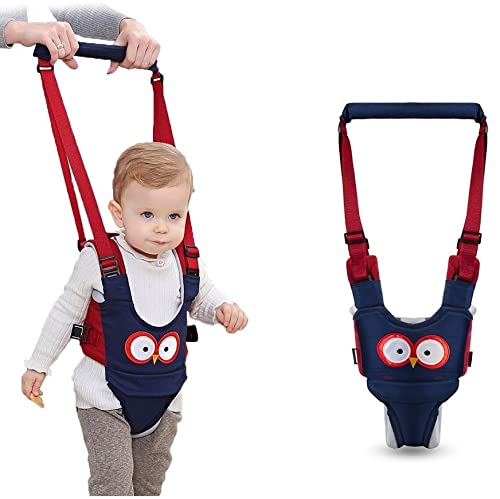
The Watolt walking harness is designed to ease caregiver back strain while guiding a toddler through early steps. Its primary feature is a 4-in-1 setup that adapts as your child grows, offering lift-with-crotch and lift-without-crotch options for starting to stand, followed by pull-with-crotch and pull-without-crotch modes for walking. This versatility supports a gradual transition from assisted standing to independent stepping, with emphasis on reducing bending and leaning for parents.
Key considerations include adjustability to fit growing toddlers and multiple configurations to match the child’s walking stage. The harness aims to boost confidence by letting children practice at their own pace while maintaining a sense of being “in control.” The product emphasizes comfort and long practice sessions, helping families extend walking time without discomfort.
Ocanoiy Baby Walking Harness (Blue)

This Ocanoiy model emphasizes a cotton and mesh composition for comfort and breathability, suitable for all seasons. The straps and buckles are adjustable, allowing a tailored fit as your child grows. Designed for ages 9–24 months, it helps reduce caregiver back strain by enabling parents to assist with walking in a supported yet approachable way. The harness supports a gradual transition from standing to independent steps, while controlling the walking process to build confidence in early mobility.
Ocanoiy Baby Walking Harness (Pink)

This pink variant mirrors the blue model with the same cotton-mesh construction and fully adjustable fittings. The emphasis remains on comfort and breathability while providing a reliable support framework for 9–24 month-olds. The detachable crotch option supports a progressive transition to free walking as the child gains strength, reducing caregiver strain during extended practice sessions.
Watolt 4-in-1 Walking Harness (Alternate Color)

This variant from Watolt reiterates the 4-in-1 design with a focus on controlling the walking process through four modes: lift-with-crotch for Start-to-Stand, lift-without-crotch for Ready-to-Walk, pull-with-crotch for Walk-with-Stumble, and pull-without-crotch for Self-Walking. The goal is to provide stable, adjustable support that can adapt as a child progresses from assisted standing to independent steps, with caregiver comfort in mind.
Cuyemye Baby Walking Harness (Grey)

The grey Cuyemye harness emphasizes a detachable crotch pad and a dual-mode approach that supports both lifting and traction for pre-walking practice. The design aims to minimize back strain for caregivers while enabling smooth transitions as the child learns to stand and take steps. Its adjustability accommodates different body shapes and outfits, ensuring a secure fit for most toddlers within the 7–24 month range.
Buying Guide: Key Purchase Considerations
Purpose and timeline: Choose a harness that matches your child’s current walking stage and the length of practice sessions you expect. 7–24 months is a typical range, but some products emphasize longer use as a growth window.
Comfort and materials: Look for breathable fabrics such as cotton and mesh, with soft seams and adjustable straps. A detachable crotch pad can increase comfort and ease of positioning as your child gains strength.
Support modes: 4-in-1 or similar multi-mode designs help transition from supported standing to independent walking. Consider whether you need lift, pull, or a mix to align with your child’s development pace.
Fit and adjustability: Ensure multiple adjustment points (shoulders, chest, waist) to accommodate different body shapes and clothing. Quick-release buckles and easy on/off are practical for daily use.
Safety and supervision: A walking harness is a support tool, not a substitute for adult supervision. Look for secure fastenings, sturdy handles, and clear instructions for use.
Care and maintenance: Check cleaning instructions and material durability. Washable fabrics and simple maintenance extend product life and hygiene for repeated use.
Practical considerations: Some models include features like detachable drool bibs or additional pockets. Consider whether these extras align with your family’s daily routine and preferences.

Understanding Your Options
Across brands, walking harnesses for toddlers emphasize comfort, adjustability, and progressive support. The Watolt and Ocanoiy lines focus on easing caregiver back strain, enabling longer practice sessions with adjustable modes. Cuyemye offers practical designs with detachable crotch pads and dual-mode functionality for a smoother transition from assisted to independent walking. When selecting, consider your child’s comfort, your own physical needs, and how quickly you anticipate progression in walking ability.
How To Introduce A Harness To A Toddler
Implement gradually: begin with short sessions in a familiar setting, then increase duration as confidence grows. Pair the harness with positive reinforcement—praise for standing and stepping. Maintain close supervision and ensure the harness fits securely but not restrictively. Rotating between different harnesses can help identify the most comfortable fit for both child and caregiver.