For intermediate violinists, selecting the right sheet music and study material can help bridge technique and musical expression. The following picks combine well-rounded etudes, classical studies, and accessible solos to support daily practice, recitals, and performance-ready repertoire. Each item is chosen for its relevance to intermediate players and its usefulness in building technique, tone, and musical phrasing.
| Product | Brand | Pages | Instrumentation |
|---|---|---|---|
| 101 Hit Songs for Violin | Hal Leonard | 160 | Violin |
| Franz Wohlfahrt – 60 Studies, Op 45 | Hal Leonard | 56 | Violin |
| Kreutzer – 42 Studies or Caprices | G. Schirmer, Inc. | 72 | Violin |
| All Time Favorite Violin Solos | G. Schirmer, Inc. | 92 | Violin |
| All Time Favorite Violin Solos | G. Schirmer, Inc. | 92 | Violin |
Below are five carefully selected items that offer a balanced approach to technique development, musicality, and performance readiness. Each section provides key details, a description based on the listed features, and guidance on how to integrate the material into a practice routine.
101 Hit Songs For Violin

This Hal Leonard collection assembles a variety of popular songs arranged for solo violin. It provides a broad range of pieces that help intermediate players develop rhythm, intonation, and expressive phrasing across genres. The 160-page book offers accessible pieces suitable for practice, recitals, and performance callbacks. Use in rotation with etudes to balance melodic play with technique work.
Franz Wohlfahrt – 60 Studies, Op 45

Wohlfahrt’s Op. 45 studies are a cornerstone for developing technique, tone control, and precision. With 60 studies tailored for advancing players, this edition from Hal Leonard offers clear musical lines and progressive difficulty. These etudes foster clean shifts, intonation accuracy, and bowing consistency—skills essential for reliable performance and auditions.
Kreutzer – 42 Studies or Caprices

The Kreutzer Caprices provide technical challenges across positions and bowing patterns, making them ideal for intermediate players aiming to expand repertoire and virtuosity. This Schirmer’s Library edition compiles 42 studies or caprices that encourage rhythmic precision, double stops, and expressive vibrato development. Regular practice supports finer articulation and confidence in performance settings.
All Time Favorite Violin Solos
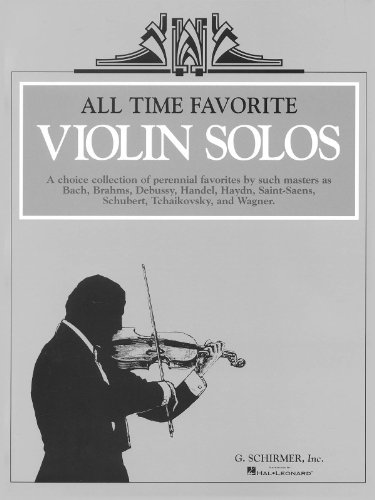
This collection of solo violin pieces for Intermediate players offers a mix of classical and romantic masterpieces with piano accompaniment. The 92-page volume includes 20 songs featuring well-known melodies that support musical phrasing and interpretive skills. It’s a practical choice for recitals, studio lessons, and performance sessions when flexibility and audience engagement matter.
All Time Favorite Violin Solos (Piano Accompaniment)
Two-column arrangements with piano accompaniment broaden performance opportunities for intermediate players. The included ensemble texture helps develop balance between violin line and accompaniment, enabling more nuanced dynamics during recitals and classroom performances. This edition complements solo practice by reinforcing ensemble listening and collaborative timing.
Buying Guide
Technique and Progression
Choose materials that gradually increase in difficulty. Start with items that emphasize intonation and bow control, then progress to studies that challenge shifts and vibrato. A balanced mix of etudes and melodic solos helps maintain motivation while building core skills.
Repertoire Diversity
Maintain a varied library that covers classical, romantic, and contemporary pieces. A broad repertoire supports musical expression and prepares players for diverse recital programs. Look for collections offering both solo pieces and piano accompaniment to expand performance contexts.
Accessibility and Clarity
Edition quality matters for readability. Clear fingerings, bowings, and practical editorial notes help avoid bad habits. For intermediate players, editions with helpful performance notes and practice tips can accelerate progress and reduce frustration.
Practice Structure
Incorporate a mix of short technical workouts and longer repertoire pieces into a weekly plan. For example, allocate 20–30 minutes daily to etudes (for technique) and 20–30 minutes to a chosen solo or collection piece (for musicality and expression). Consistent practice yields steady improvement.
Performance Readiness
When preparing for recitals, select pieces that fit your current level but offer a clear growth arc. Rehearse with a metronome, work on phrasing with a teacher or recording device, and schedule mock performances to build confidence and stage presence.
These selections provide a practical pathway for middle-stage violinists seeking to refine technique while expanding expressive capability. The curated mix of studies and solos supports a well-rounded development suitable for practice, recitals, and performance-ready readiness.