The 256 Hz C tuning fork is a versatile device used in medical assessments, sound therapy, musical tuning, and educational demonstrations. This guide highlights five relevant 256 Hz C options, comparing construction, durability, and accuracy to help buyers choose the right fork for clinical or personal use. Each product profile includes its core features and practical applications, followed by a buying guide that covers key considerations such as material, frequency accuracy, non-magnetic properties, and supplementary tools.
| Product | Brand | Frequency | Use |
|---|---|---|---|
| SURGICAL ONLINE Aluminum Sensory Tuning Forks C 128, C 256, C 512 | SURGICAL ONLINE | C 256 | Medical exams, neurology tests, sound therapy |
| EISCO Tuning Fork, 256Hz | EISCO | C 256 | Musical tuning, science experiments |
| ADC 256 Hz Medical-Grade Tuning Fork | ADC | 256 | Medical diagnostics, clinical use |
| SURGICAL ONLINE Set of 3 Pcs Aluminum Tuning Forks C 128 512 | SURGICAL ONLINE | C 256 (in set) | Comprehensive diagnostic kit |
| Nervous System Testing Tuning Fork 256Hz | GS Online | 256 | Nerve and sensory testing |
Surgical Online Aluminum Sensory Tuning Forks C 128, C 256, C 512

This set provides multiple frequencies with corrosion-resistant aluminum alloy construction for reliable performance in medical and therapeutic settings. The tuning forks offer accuracy across C 128, C 256, and C 512 frequencies, making them suitable for auditory assessments, vibratory testing, and instrumental tuning. An extra-long handle design supports a comfortable grip during exams or demonstrations, enhancing user control and vibratory feedback.
EISCO Tuning Fork, 256Hz — Premium Quality

Made to the absolute concert pitch of middle C (256 Hz), this two-pronged plain shank fork is ideal for tuning musical instruments, scientific demonstrations, and chakra-focused sound therapies. It resonates with a stable, pure tone after striking and fades smoothly as overtones diminish. The plain shank design emphasizes straightforward handling for educational or ceremonial uses.
ADC 256 Hz Medical-Grade Tuning Fork

Engineered from a non-magnetic aluminum alloy, this medical-grade tuning fork ensures frequency consistency at 256 Hz. The product emphasizes durability and reliable performance for clinical use, with a straightforward design and a one-year warranty. The packaging is suitable for retail displays, making it a practical choice for clinics and teaching labs alike.
Surgical Online Set of 3 Pcs Aluminum Tuning Forks C 128, 512 + Taylor Percussion Hammer Mallet

This diagnostic kit offers aluminum tuning forks at C 128 and C 512 frequencies along with a tactical Taylor percussion hammer mallet. The non-magnetic, corrosion-resistant construction supports long-term clinical use. It is suited for auditory assessments, neurological testing, and other diagnostic workflows where precise vibratory feedback is essential.
Nervous System Testing Tuning Fork 256Hz & 512Hz
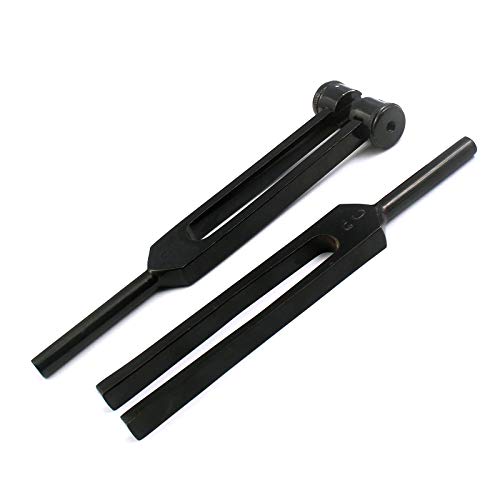
This non-magnetic aluminum alloy tuning fork is designed for nervous system and sensory testing, offering a robust 256 Hz and an auxiliary 512 Hz option. The device is intended for clinical use, with corrosion resistance and lightweight construction ensuring dependable performance during patient assessments and research settings.
Buying Guide
Key purchase considerations help ensure you select a tuning fork that matches your intended use and environment.
- Frequency accuracy: Look for forks marketed as precisely tuned to standard frequencies (e.g., 256 Hz). Some products are calibrated to report tolerance levels around the indicated pitch, which is important for clinical testing and musical calibration.
- Material and durability: Aluminum alloys are common for their light weight and corrosion resistance. A robust handle and balanced weight improve handling in exam rooms and labs.
- Non-magnetic properties: Non-magnetic forks are essential in certain clinical contexts to avoid interference with other equipment and to ensure patient safety during testing.
- Included accessories: Sets with multiple frequencies, or a percussion hammer, can be advantageous for quick, on-site diagnostics or demonstrations. A protective pouch or case is useful for portability.
- Intended use: Clinical diagnostics, auditory testing, sound therapy, or musical instrument tuning each benefit from subtle design differences, such as shank length, weight distribution, and resonance quality.
- Warranty and packaging: A product with a warranty and sturdy retail packaging supports ongoing use in a clinic or classroom setting and facilitates replacement if needed.
- Maintenance: Aluminum forks require minimal maintenance, but avoid bending or striking surfaces on hard materials to preserve frequency accuracy and tone.