Finding toys that support communication, sensory processing, and cognitive development for toddlers with autism can be overwhelming. The right options blend engaging visuals, varied textures, and simple, repetitive actions that encourage interaction. Below is a curated guide to five proven toys that align with best practices in early intervention and Montessori-inspired learning, highlighting how they address sensory needs and developmental goals.
| Product | Brand | Key Benefit | Linked From |
|---|---|---|---|
| Airbition Talking Flash Cards for Toddlers | Airbition | Vocabulary expansion, speech therapy support, auditory-visual pairing | Product 1 |
| ArtCreativity Light Up Transparent Sensory Car Toy | ArtCreativity | Colorful gears, lights, and autonomous movement for visual and tactile engagement | Product 2 |
| JUXUE Baby Spinning Stacking Toys | JUXUE | Fine motor skills, hand-eye coordination, cause-and-effect learning | Product 4 |
| LESONG Textured Sensory Fidget Toys | LESONG | Calming sensory input, focus aid, discreet for classrooms | Product 6 |
| ArtCreativity Spinning Light Up Toy Wand | ArtCreativity | Magical visuals, imaginative play, portable sensory stimulation | Product 5 |
These selections emphasize safe materials, age-appropriate design, and activities that promote communication, attention, and self-regulation. Parents and caregivers can use them for structured sessions or as engaging, on-the-go tools to support a child’s daily routines.
Airbition Talking Flash Cards For Toddlers
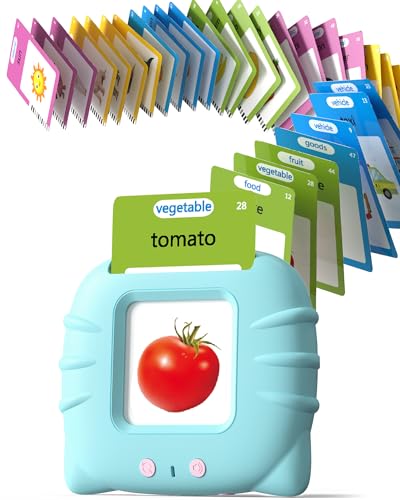
The Airbition device delivers 224 colorful illustrations paired with sounds, offering a Montessori-style approach to language learning. With categories including animals, vehicles, fruits, and vegetables, the flash cards help toddlers build vocabulary while supporting cognitive development. The device features a standard American voice, animal sounds, a repeat function, and a five-level volume control, making it adaptable for different environments and sensitivities. It is designed to be easy to use: switch on, insert a card, and listen. This tool can be beneficial in speech therapy contexts and at home for daily routines that reinforce language skills.
ArtCreativity Light Up Transparent Sensory Car Toy

This transparent, light-up car offers multi-sensory stimulation with moving gears, music, and LED effects. The bump-and-go mechanism helps kids explore cause-and-effect while the vibrant gears promote visual tracking and fine motor exploration. Three operation modes let caregivers tailor play to the child’s mood or sensory needs, from quiet exploration to dynamic interaction. For toddlers with sensory processing challenges, the combination of lights, sounds, and mechanical motion can encourage sustained attention and joyful experimentation in a controlled, predictable way.
Yetonamr Montessori Stacking Spinning Toys

The Yetonamr wooden sensory toy emphasizes safety and durability with chunky pieces, non-toxic finishes, and smooth edges. The set includes 20 pieces with colors and shapes that support color recognition and geometric understanding. Kids can stack, sort, and spin the pieces, promoting hand-eye coordination, fine motor skills, and spatial awareness. The simple, open-ended design allows for collaborative play, shared language practice, and the development of problem-solving skills as children explore how pieces fit together and balance on the base.
LESONG Textured Sensory Fidget Toys Pack

This pack features stretchable noodles and textured strings designed to meet varied sensory needs. The eight-piece assortment offers different textures and tension, with long stretch potential that can help with focus, anxiety reduction, and fine motor practice. Made from non-toxic ABS plastic and built for durability, these toys remain safe for young children and are suitable for use in classrooms, therapy sessions, or home environments where discreet, calming sensory input is beneficial.
ArtCreativity Spinning Light Up Toy Wand

This 7.5-inch light-up wand creates a mesmerizing display of colors as it spins. It comes with batteries installed, enabling immediate use for sensory exploration and pretend play. The wand serves as a visually engaging prop to boost imagination, helping children enjoy interactive play, storytelling, and cooperative games. Its portable size makes it easy to bring to therapy sessions or playdates, supporting consistent sensory engagement across settings.
Buying Guide: Key Purchase Considerations
- Age appropriateness and safety: Look for rounded edges, non-toxic materials, and age recommendations aligned with developmental abilities. For toddlers, simple, durable designs reduce frustration and risk.
- Sensory needs alignment: Choose toys that offer a mix of visual, tactile, and auditory input. Some children may prefer quiet activities, while others benefit from bright colors, lights, or sound cues.
- Language and communication support: Toys with clear sound cues, labeled visuals, or interactive prompts can aid speech and language development when used with modeling and reinforcement.
- Motor skill development: Stacking, balancing, spinning, and squeezing activities promote fine and gross motor skills, hand-eye coordination, and dexterity.
- Autonomy and caregiver involvement: Select tools that a child can use independently but also support guided play with a caregiver to maximize learning opportunities.
- Portability and ease of setup: Lightweight, battery-powered options are convenient for travel and daily routines, ensuring consistent play opportunities across environments.
- Durability and cleaning: Toys should withstand repetitive use and be easy to clean, especially for items with multiple textures and surfaces.
- Variety and progression: A mix of sensory, cognitive, and social-play toys helps address diverse needs and offers opportunities to advance skills over time.
- Safety considerations for small parts: Avoid toys with loose pieces that present choking hazards for young children.
When selecting toys for toddlers with autism, consider how each option supports routines, communication goals, and sensory regulation. Using these tools within daily activities—such as snack time, story time, or play break—can help create predictable, calming moments while encouraging exploration and growth.