Discover top-rated toys designed for toddler girls that encourage creativity, motor skills, and social play. This guide highlights five engaging options with diverse play styles—from interactive dolls and dress-up puzzles to early-learning laptops and storytelling books. Each pick balances safety, age appropriateness, and developmental benefits to help caregivers choose confidently.
| Product | Brand | Age Range | Key Benefit |
|---|---|---|---|
| Ms. Rachel Official Speak & Sing Doll | Ms. Rachel | 6 Months to 3+ | Interactive language exposure and song play |
| Melissa & Doug Disney Minnie Mouse Dress-Up Puzzle | Melissa & Doug | 3+ | Creative dress-up play and fine motor skills |
| Meland Toy Doctor Kit | Meland | 3-6 | Pretend play with medical tools to ease clinic fears |
| LeapFrog 2-in-1 LeapTop Touch | LeapFrog | Preschool | Early tech literacy with keyboard and tablet modes |
| LeapFrog Scout and Violet 100 Words Book | LeapFrog | 2-5 | Vocabulary building through interactive words |
Note: This article presents five carefully chosen products to suit a range of play preferences, from imaginative role-play to early STEM and language development. All items are selected to be age-appropriate and safe for toddlers.
Ms. Rachel Speak & Sing Doll

Official Ms. Rachel doll features touch-activated responses with over 16 phrases and 4 songs from the show. The doll encourages language repetition with phrases like “Can you say…?” and “I’m so proud of you.” A quiet/LOUD switch supports sensory needs, and a learning card provides play ideas and skill-building tips. True-to-show details and baby-safe construction by GUND Baby. Batteries included.
Disney Minnie Mouse Dress-Up Puzzle
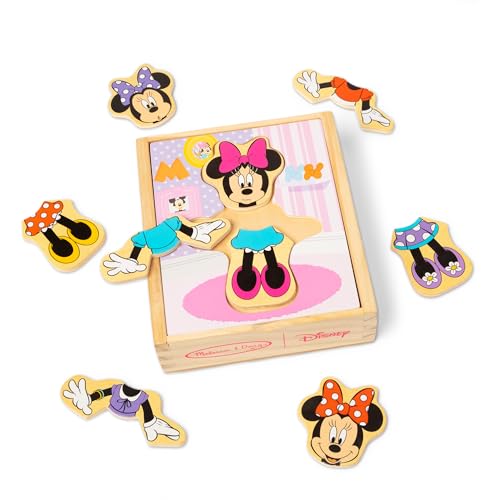
Includes 18 wooden pieces to create Minnie Mouse outfits, with a storage box lid featuring a dress-up scene. Pieces offer mix-and-match tops, bottoms, and accessories to inspire imaginative storytelling and role-play, while built-in storage keeps play areas tidy.
Meland Doctor Kit For Girls

Pretend doctor set includes a doctor coat, stethoscope, thermometer, syringe, and more, plus a carrying bag and a plush dog. Designed to ease fears about medical visits while fostering nursing and caregiving play, this set encourages role exploration and fine motor skills.
LeapFrog 2-in-1 LeapTop Touch
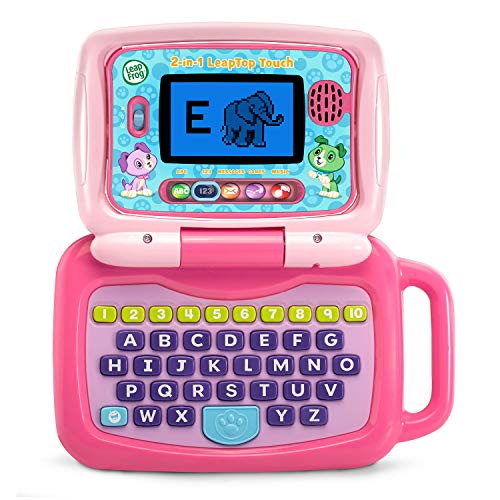
A versatile learning toy that switches from a keyboard-equipped laptop to a touch tablet. It features letters A-Z, numbers 1-10, and five modes including ABCs, numbers, games, music, and messages for early tech literacy and interactive play.
LeapFrog Scout and Violet 100 Words Book
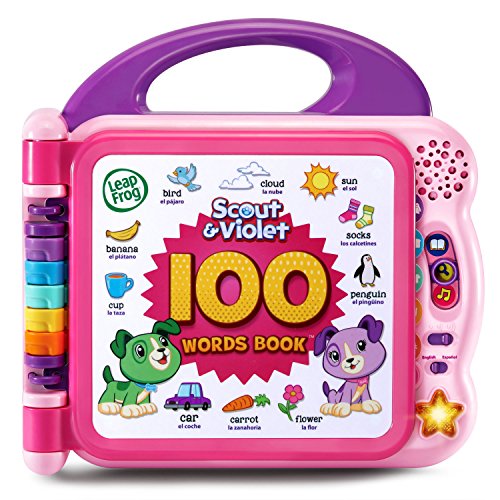
Meet Scout and Violet as they guide toddlers through more than 100 age-appropriate words. Pages respond with sound effects and a learning-themed song. Light-up star button activates words and fun facts, supporting early vocabulary and language recognition.
Buying Guide
Key purchase considerations help ensure your choice aligns with a toddler’s development, safety, and interests. Consider the following perspectives:
- Age appropriateness: Ensure the toy’s recommended age matches your child’s current stage and capabilities, from sensory-first play to pretend and early literacy.
- Developmental benefits: Look for toys that promote language, social interaction, fine motor skills, imagination, and basic problem-solving.
- Safety and materials: Prioritize BPA-free plastics, sturdy wooden components, rounded edges, and certified safety standards for toys in the toddler range.
- Durability and maintenance: Choose items with robust construction and easy cleaning, especially for snacks-and-play scenarios.
- Play variety: Mix options across pretend play, songs, storytelling, and basic electronics to support different learning angles and keep interest high.
- Storage and portability: Consider toys with integrated storage or compact designs for quick cleanup and travel-friendly use.
- Parental involvement: Select toys that invite guided play, helping caregivers extend learning through questions and shared activities.
When comparing options, balance the novelty of interactive features with timeless play elements like dress-up, storytelling, and pretend medicine. Reading readiness, vocabulary growth, and social skills often progress best when children switch between imaginative role-play and structured learning activities.