Finding toys that support attention, reduce restlessness, and spark creativity can help children with ADHD stay engaged during play. The following selections emphasize hands-on learning, sensory feedback, and simple challenges that keep a 6-year-old’s mind and body actively involved. Each option below offers varying styles—from magnetic blocks to brain games and motion toys—so caregivers can mix calm focus activities with energizing play. The list highlights five strong candidates from popular Amazon options that align with educational development while remaining entertaining.
Summary of Selected Products
| Product | Brand | Key Benefit | Age Range |
|---|---|---|---|
| 80PCS&1inch Magnetic Blocks Toys, Build Mine Magnet World Dinosaurs Set | Matchtiles | Open-ended building, STEM, sensory exploration | 3+ years |
| PlayRoute Electronic Brain & Memory Game Cube | PlayRoute | Memory, attention, short bursts of focused play | 6-12+ years |
| Winning Fingers Flashing Cube Electronic Memory and Brain Game | Winning Fingers | Pattern recall, quick reactions, portable STEM fun | 6-12 years |
| Hand Operated Flying Toy Drone for Kids | ETPlanet | Gesture control and hand/eye coordination | 6+ years |
| nutty toys Sensory Robot Toys 4pk | nutty toys | Pop-tube sensory play, fine motor skills, portable fidget | 3+ years |
Magnetic Blocks Dinosaur Set For Open-Ended Play

The Matchtiles magnetic blocks dinosaur set invites children to construct vibrant habitats and figures with flexible, magnetic tiles. Its five dinosaur figures and bright colors foster storytelling, sequencing, and spatial reasoning—key areas that can benefit children who need steady focal tasks. The magnetic system supports open-ended play, encouraging kids to experiment with designs, rotate structures, and test balance and gravity. As a sensory-rich activity, it helps maintain engagement through tactile exploration while prompting imaginative narratives. The set is designed to be compatible with other magnet tile brands, widening play possibilities for ongoing creativity.
With STEM-inspired elements, kids can observe cause-and-effect as they connect tiles to form wings, tails, and crests. The realistic dinosaur depictions give a narrative angle that can guide short, structured play sessions, supporting attention with clear goals. Educators and parents can incorporate this set into early science or engineering activities, integrating storytelling with hands-on construction. For ADHD-related play, short-building bursts paired with independent exploration can help sustain focus without overwhelming the child. This is a robust starter kit for both classroom and home environments.
Features emphasize creative independence, compatibility, and sensory-rich visuals, making it a versatile option for kids who enjoy building and storytelling. It’s well-suited for group play or solo sessions, and the dinosaur theme can help motivate longer engagement as skills grow.
Brain & Memory Game Cube With Light-Up Challenges
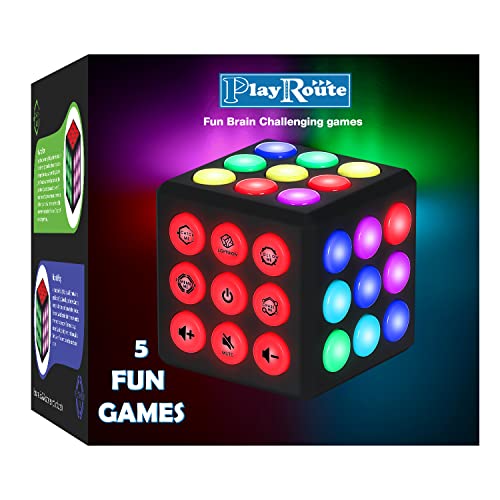
The PlayRoute electronic brain and memory game cube packs five engaging light, memory, and brain games into a compact handheld device. Designed to hold a child’s attention with quick bursts of play, it supports memory recall and concentration through simple, repeatable patterns. The cube’s portability makes it an ideal travel companion, turning car rides or waiting times into focused, structured activities. It’s suitable for a broad age range, so family members can play together, promoting shared focus and turn-taking skills.
Educational value centers on working memory, attention control, and sequential thinking. Short rounds help maintain interest and reduce the likelihood of fatigue. Caregivers can guide kids to describe the strategies they used, reinforcing verbal articulation alongside cognitive training. The device’s brightness and tactile feedback contribute to sensory stimulation that can be especially appealing for children who benefit from multisensory input during task completion.
Overall, the cube offers a balanced blend of challenge and approachability. It’s a practical tool for classroom warm-ups, quiet corners at home, and on-the-go learning. Its design supports scalable difficulty as a child’s skills develop over time.
Flashing Memory Cube For Focus And Quick Reflexes

The Winning Fingers flashing cube is a compact, 4-in-1 handheld STEM toy designed to boost memory and reflexes. It challenges children with rapid pattern sequences, encouraging quick thinking and precise hand movements. The gadget’s portability makes it suitable for quick sessions at home, in the car, or during school breaks. Its 3-AAA-battery operation (not included) ensures consistent performance, enabling repeat use without frequent recharging. The compact size helps reduce overstimulation while offering enough sensory feedback to maintain engagement for ADHD-focused playtime.
Key benefits include improved hand-eye coordination, reaction speed, and memory through varied modes like “Follow” and “Remember Me.” The achievable difficulty levels support gradual skill development, helping children feel successful as they complete tasks. For profiles seeking calm, structured activities, this cube delivers a crisp, repeatable challenge that complements longer, open-ended play.
With its bright LEDs and immediate feedback, caregivers can tailor sessions to match a child’s attention span, cycling between quick rounds and more extended challenges to sustain interest without frustration.
Hand Operated Flying Toy Drone With Gesture Control

This hand-controlled drone uses 360-degree motion sensors to enable gesture-based flight, offering an engaging way to practice motor planning, spatial awareness, and coordination. The safe, lightweight design features a protected shell to minimize contact with propellers, reducing accidents during indoor use. The drone’s LED lights and responsive controls encourage rapid decision-making and fine motor precision, which can be beneficial for children who respond well to visual feedback and immediate outcomes.
The flying toy is designed for beginner-level operation, making it accessible while still providing room for skill growth as children learn to anticipate movement and timing. Its indoor-friendly profile helps reduce overstimulation from outdoor environments while offering a structured, goal-oriented activity that can be paused or resumed easily. For ADHD-friendly play, short controlled flights paired with narrative targets can sustain attention while delivering a sense of accomplishment.
Durability, safety, and ease of use are central to its design, ensuring that repeated crashes do not derail play sessions. The combination of motion sensing, simple hand gestures, and colorful LED effects creates an entertaining and educational experience.
Nutty Toys 4-Pack Sensory Robot Pop Tubes
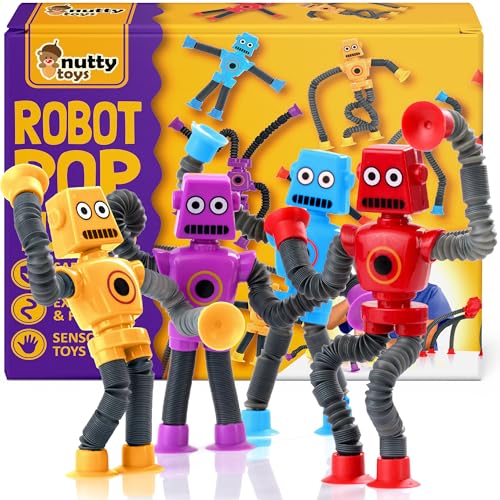
The Nutty Toys sensory robot set features four fidget pop tubes with pop-tube limbs and varied textures. The tactile stimulation and satisfying popping sounds help kids explore sensory input while building fine motor skills. Each tube can attach to smooth surfaces using suction cups, enabling hands-free play and wall-sitting demonstrations that support focus. This pack is a practical choice for kids who benefit from fidget-based concentration aids and portable options for travel or therapy sessions.
These pop-tubes serve dual purposes: calming sensory input and interactive play. They’re well-suited for ADHD children who need steady, repetitive actions to maintain attention and reduce restlessness. The compact, colorful design invites imaginative play, role-playing, and group activities, making them versatile for classroom or home use. The set’s portability adds convenience for on-the-go engagement and quick, structured breaks during longer tasks.
Overall, the four-pack combines sensory feedback with tactile exploration to support cognitive and motor development. It’s a flexible addition to a sensory toolkit, offering reliable, low-pressure engagement that can adapt to evolving attention needs.
Buying Guide: Key Considerations For ADHD-Focused Toy Selections
When selecting toys for a 6-year-old with ADHD, look for items that balance structure with open-ended exploration. Consider the following:
- Engagement duration: Favor toys that offer short, repeatable activities with clear goals to avoid frustration and fatigue.
- Sensory feedback: Incorporate tactile, visual, and auditory cues to sustain attention and provide meaningful stimuli without overstimulation.
- Motor skills development: Choose devices that promote fine and gross motor skills through precise movements, like building, tracing, or aiming.
- Portability and ease of use: Simple controls and compact designs help sustain focus in various settings, from home to car travel.
- Durability and safety: Look for shatter- or crush-resistant materials and parental safeguards such as propeller guards or non-toxic plastics.
- Educational balance: Prioritize toys with STEM-influenced concepts—patterns, memory, sequencing, spatial reasoning—paired with entertaining play.
- Social play potential: Select items that support cooperative play, turn-taking, and communication to aid social development.
Practical play strategies include setting brief, structured challenges (for example, “build this shape in five minutes”) and gradually increasing complexity as attention improves. Rotating a few toys weekly can maintain novelty, while pairing high-energy toys with calm, focused activities helps manage energy levels. Accessibility matters too; ensure options are suitable for both solo play and guided activities with caregivers or peers. By combining magnetic construction, memory-based challenges, and sensory tools, parents can curate an engaging, ADHD-friendly playtime routine that supports development without overwhelming the child.