Finding engaging, developmentally appropriate toys for a 6-year-old autistic boy involves focusing on sensory engagement, fine motor skills, and calm, structured play. The following selections emphasize tactile stimuli, simple rules, and repeatable activities that support concentration, cognitive growth, and cooperative play. Each item is chosen for durability, safe design, and potential to reduce overstimulation while encouraging exploration. Whether traveling, learning at home, or enjoying quiet time, these toys align with diverse sensory needs and provide clear pathways for interactive learning.
| Product | Key Benefit | Recommended Use |
|---|---|---|
| PlayRoute Electronic Brain & Memory Game Cube | Memory and pattern-matching challenges | Travel, quiet time, cognition practice |
| Kids Montessori Magnetic Wooden Toys | Fine motor skills, color matching | Home learning, calming repetitive play |
| SYSAMA Telescopic Suction Cup Robot Toy | Manipulative, tactile and color recognition | Sensory play, fidget and focus moments |
| Fidget Spinner 2 Pack | Light engagement, focus and relaxation | Desk, classroom, quiet corners |
| hahaland Interactive Whack A Game | Reflexes, turn-taking, rule-based play | Single or two-player activities |
PlayRoute Light Up Brain Cube For Ages 6-12
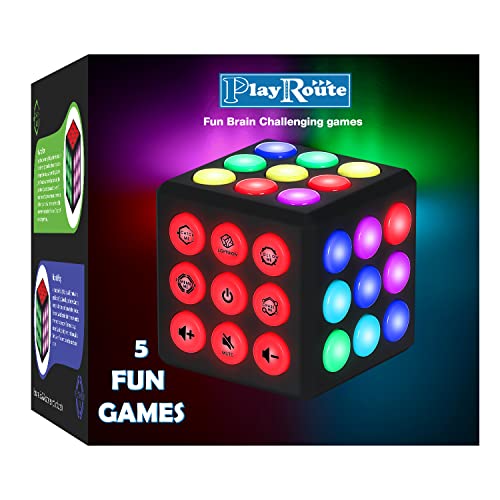
The PlayRoute Light Up Cube offers five engaging brain and memory games designed for ages 6-12. It provides a hands-on way to develop memory, attention, and pattern recognition through simple, repeatable tasks. Its portability supports travel-friendly play and independent or guided sessions. The cube’s light-up feedback adds visual cues that can aid focus, making it suitable for autistic children who benefit from concrete, immediate responses. The device’s compact size makes it easy to manage during short breaks or quiet time.
Kids Montessori Magnetic Wooden Toys

This wooden, color-matching puzzle uses magnetic pieces and a pen to fit colors and patterns on double-sided cards. It supports color recognition, hand-eye coordination, and fine motor development. The design is straightforward, making it accessible for children who prefer predictable tasks and repetitive play. It can be a soothing, portable activity for therapy breaks, travel, or classroom settings, and it is noted for its suitability for autistic children who enjoy arranging pieces and repeating sequences.
SYSAMA Telescopic Suction Cup Robot Toy

This bendable, pop-tube robot toy provides tactile stimulation through stretching and snapping, with color variants that can aid color recognition. The manipulating action supports fine motor coordination and can calm anxious energy by offering a predictable, repetitive motion. Designed as a sensory fidget tool, it suits autistic children who enjoy hands-on, manipulable objects and can be taken on the go for quick sensory breaks.
Fidget Spinner 2 Pack With LED Lights

The LED light-up fidget spinners feature multiple lighting modes and colorful patterns, offering a visual sensory element. BPA-free materials with a smooth spin and quiet operation help create a calming focus tool for kids with ADHD or autism. The pair format allows shared activities or rotation between siblings or therapists, supporting social interaction and cooperative play while maintaining focus during transitions.
hahaland Interactive Whack A Game

This interactive Whack-A-Mole game combines color cues, fast-paced action, and light/sound effects to engage children in a single-player or two-player format. With multiple levels and color-mynchronized targets, it supports reaction speed development, hand-eye coordination, and turn-taking skills. The game’s structured progression makes it approachable for autistic kids who respond well to clear rules and repeatable challenges.
Buying Guide
Key considerations when selecting toys for a 6-year-old autistic child include sensory compatibility, safety, and the potential to support learning goals without causing overload. Look for toys with simple, predictable rules and adjustable sensory input (light, sound, texture). Durability matters for active play and transportation. Consider whether a toy supports fine motor skills, language development, or social interaction, and whether it can be used independently or with a caregiver. Portability, age-appropriateness, and ease of cleaning are practical factors for daily use. Finally, assess whether the toy offers measurable progress or rewards to reinforce sustained engagement.
Comparative highlights:
- Memory and cognitive games (PlayRoute) excel for short, focused sessions and travel.
- Montessori wooden puzzles (Kids Montessori Magnetic Wooden Toys) emphasize fine motor control and color recognition with a calm, repetitive format.
- Sensory fidget tools (SYSAMA robot toy and Fasray fidget spinners) provide tactile stimulation and focus aids without overstimulation if used mindfully.
- Reactive play (hahaland Whack A Game) supports gross motor skills, reaction speed, and social interaction in single or two-player modes.
Selecting a mix of these tools can create a versatile play routine that respects sensory preferences while promoting development. Always supervise new toys to ensure safety and tailor play to the child’s unique comfort level and interests.