Children with speech delay often benefit from interactive toys that promote word building, sound awareness, and turn-taking. The following selection focuses on language-rich activities, speech therapy-friendly features, and durable designs suitable for home use, preschool settings, and travel. Each pick supports early literacy, phonemic awareness, and expressive communication without overwhelming screens.
| Product | Key Benefit | Suggested Use |
|---|---|---|
| ZONSTVYS Talking Flash Cards with LCD Tablet | 510 sight words, multilingual prompts, durable | Daily practice, on-the-go learning |
| LEARNING BUGS Phonics Songs Book | Phonics readiness through songs and sounds | Screen-free reading prep |
| QuTZ Talking Flash Cards | 166 pages, 800+ words, 29+ themes | Structured themed learning and games |
| Aullsaty Toddler Talking Cards | 248 sight words, Montessori approach | Autism-friendly speech practice |
| WELL BALANCED Speech Therapy Toys | 62 sounds, daily-life words | Early speech development activities |
ZONSTVYS 2-in-1 Talking Flash Cards And Tablet

The ZONSTVYS system blends interactive vocabulary with a 7-inch LCD writing tablet. It delivers 510 sight words across 14 subjects, helping children build vocabulary and practice pronunciation in a structured way. The device supports a Montessori-inspired approach and includes animal and vehicle sounds that reinforce listening and speech. The screen is glare-free and designed to minimize blue light exposure, making sessions comfortable for extended use at home or while traveling.
LEARNING BUGS Phonics Songs Book

This screen-free phonics book encourages listening to letter sounds A-Z through engaging tunes tied to familiar nursery rhymes. It emphasizes foundational reading readiness without visual distraction, helping kids focus on voice and phonemic cues. The format supports repeated practice, which is key for toddlers and preschoolers developing early literacy and speech coordination.
QuTZ Talking Flash Cards And Themed Learning

QuTZ combines a 166-card, 29-theme deck with 800+ words and interactive games. It covers letters, phonics, math, and more through pictures, sounds, and short fact-based notes. With 700+ interactive games and questions, this set offers varied activities—from odd-one-out to memory challenges—that foster listening, word retrieval, and expressive language, making it suitable for group or one-on-one sessions.
Aullsaty Montessori Speaking Cards For Autistic Learners

Aullsaty presents 248 sight words across 14 subject areas in a cat-themed reader. The design supports Montessori-style learning with sounds linked to animals and vehicles. It is described as autism-friendly, enabling children to practice recognition, speech, and social interaction. A simple slot mechanism yields clear pronunciations and a repeating option to reinforce memory and practice speaking in a natural cadence.
WELL BALANCED Speech Therapy Toys & Materials

Designed for early speech development, this set emphasizes interactive learning through Baby Flash Cards with 62 lively sounds and simple daily-life words. The approach aims to engage children in vocal imitation, repetition, and expressive practice. It is positioned as a practical tool for caregivers and therapists to support progressive speech milestones in toddlers up to preschoolers.
Minureda Toddler Talking Hamster

The Minureda talking hamster adds a responsive twist to practice sessions: it repeats words, wiggles, and offers multi-language support to encourage speech attempts. This interactive plush toy targets speech delay by creating a playful, low-pressure environment for verbal initiation, helping children gain confidence while imitating sounds and phrases.
hand2mind Phoneme Phone
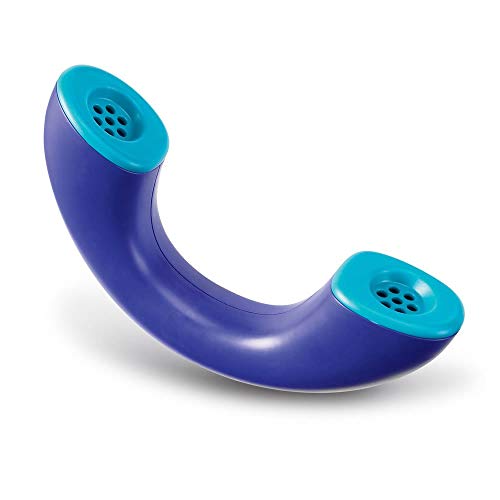
The Phoneme Phone turns listening into a multisensory exercise. By amplifying a child’s voice as they speak into the receiver, it strengthens phonemic awareness and supports speech-to-print activities. It’s a practical tool for ESL learners and kids with speech challenges, providing immediate audio feedback to reinforce correct articulation and sound production.
JoyCat Learning Tablet And Cards

JoyCat combines phonics-focused flash cards with a 156-page learning tablet featuring 40+ themes and 600+ words. With 100+ interactive games, this set emphasizes hands-on reading readiness, phonics, and vocabulary building. It supports diverse learning styles through a blend of audio cues, physical cards, and guided practice, which can help children with speech delays expand both receptive and expressive language skills.
Buying Guide: Key Considerations for Selecting Speech-Boosting Toys
- Age appropriateness and developmental fit: Choose toys labeled for 2-6 years that align with the child’s current speech and language milestones. Look for simple, repeatable prompts and gradually increasing complexity.
- Multisensory learning: Prioritize tools that combine audio cues, visual supports, and tactile interaction. Repetition with varied formats (cards, sounds, stories) reinforces memory and articulation.
- Speech therapy compatibility: Toys that encourage imitation, turn-taking, and practice with modeling pronunciation can complement professional therapy. Clear audio output and adjustable volume are helpful.
- Durability and safety: For young children, choose sturdy, chew-safe materials and devices designed to withstand drops. Non-glare screens and blue-light considerations support longer, more comfortable sessions.
- Ease of use and caregiver involvement: Simple setup and intuitive usage help caregivers integrate play into daily routines. Look for quick-start guides or prompts that require minimal supervision.
- Screen time balance: Favor screen-free or low-screen options when possible to emphasize live interaction, phonemic awareness, and conversation practice.
- Accessibility and inclusivity: Consider products with multilingual support, where applicable, to accommodate bilingual households or children learning English as a second language.
- Therapeutic potential versus play value: Separate tools designed for therapy goals from those primarily for entertainment. A combination strategy often yields the best outcomes.
In practice, a mix of multisensory flash cards, phoneme-based devices, and phonics-focused books can provide a robust framework for supporting speech delay in 3-year-olds. The five products highlighted here offer a balance of vocabulary expansion, phonemic awareness, and engaging, interactive play suitable for home use and therapy-aligned activities.