Parents and caregivers seek effective, engaging ways to boost early literacy, vocabulary, and cognitive skills. This article reviews five highly rated toddler flash card sets designed for ages 1-4, highlighting how they support letters, numbers, shapes, colors, and early words. Each option offers durable, kid-friendly designs and interactive elements to encourage independent exploration and hands-on learning. Use the guide below to compare features, durability, and learning focus to find the right match for your toddler.
| Product | Brand | Key Focus | Highlights |
|---|---|---|---|
| Merka Toddler Flash Cards | Merka | Alphabet & numbers | 64 double-sided, compact 4.2″ x 2.4″, colorful visuals |
| Carson Dellosa Toddler Flash Cards 4 Pack | Carson Dellosa Education | Alphabet, sight words, colors & shapes, numbers | Four packs with bonus phonics/math resources |
| LearnWorx 101 Baby Flash Cards | LearnWorx | First words, objects, counting | 101 cards, award-winning design, large size |
| Torlam Toddler Flash Cards | Torlam | Alphabet, numbers, shapes, colors, animals | 60 double-sided cards + rings, broad skill coverage |
| Airbition Talking Flash Cards | Airbition | Vocabulary, speech support, autism-friendly | 224 words, talking mode, adjustable volume |
Merka Interactive Alphabet Flash Cards

Merka’s 64-card set provides a beginner-friendly journey through letters and numbers with vivid visuals on double-sided cards. Each card is sized for small hands, supporting independent exploration and fine motor development. The colorful, kid-centered design helps sustain attention while introducing foundational literacy and numeracy concepts.
Carson Dellosa Toddler Flash Cards 4 Pack
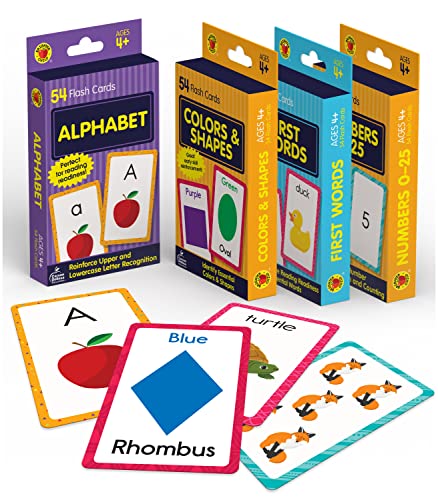
This 4-pack bundle covers alphabet, first words, colors & shapes, and numbers. The inclusive set supports early math and phonics through a variety of card types and bonus resource cards with additional games, making it a versatile option for daily practice and structured learning routines.
LearnWorx 101 Baby Flash Cards

LearnWorx delivers 101 first-word flash cards with animals, foods, household items, and more. Each card includes a reverse-side game for color, counting, and recognition activities. The larger card size supports easy viewing for group or caregiver-led sessions, and the designs emphasize visual development and speech readiness.
Torlam 60-Card Toddler Flash Cards
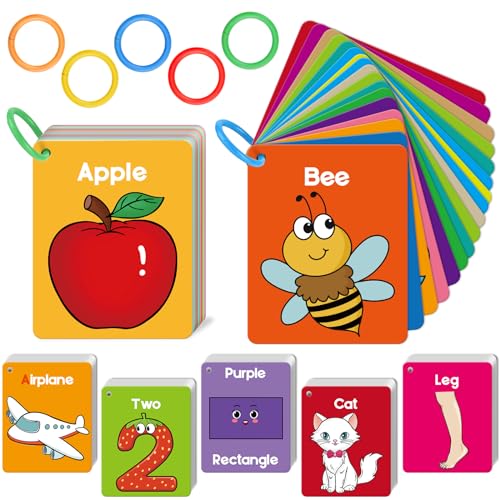
Torlam’s set covers alphabet, counting to 10, shapes, colors, animals, first words, body parts, and foods. The cards are paired with five colored rings for easy organization and portability, making them well-suited for travel-friendly learning and consistent practice routines.
Airbition Talking Flash Cards

Airbition’s talking flash cards offer a voice-enabled learning experience with 224 words and animal sounds. Designed with a Montessori-inspired approach, they are suitable for autism support and speech therapy. A one-card-at-a-time reading mode helps focus attention, while adjustable volume accommodates different environments.
Buying Guide: Key Purchase Considerations
- Learning objectives: Choose cards that align with your goals—alphabet mastery, phonics, counting, or vocabulary expansion. Sets with mixed topics provide broad coverage, while focused packs excel at targeted skills.
- Durability and size: Look for sturdy, wipe-clean cards with toddler-friendly dimensions. Larger cards reduce fatigue during learning sessions and support tabletop or floor activities.
- Double-sided design: Cards with two-sided content maximize value and reduce the number of individual cards required for comprehensive lessons.
- Engagement features: Interactive elements such as images, sounds, or games encourage longer attention spans and active participation, especially for non-readers.
- Multisensory learning: Cards that combine visuals, audio, and hands-on activities support diverse learning styles and can aid early speech development and memory recall.
- Portability and organization: Rings, folders, or compact packaging help maintain order and allow easy transport for travel or playdates.
- Safety and materials: Non-toxic, BPA-free materials are important for toddlers who may mishandle or mouth cards. Rip-proof designs add durability in busy households.
- Age range and progression: Ensure the set suits ages 1-3 or 1-4 and offers incremental difficulty to grow with your child’s skills.
- Supplemental resources: Some bundles include extra games, phonics activities, or teacher’s guides that extend play beyond basic flash cards.
Choosing the right toddler flash cards involves balancing content variety, durability, and interactive features. For broad exposure, a mixed-topic set like Merka or Torlam provides extensive coverage across letters, numbers, shapes, and words. For targeted skills, Carson Dellosa’s four-pack or LearnWorx’s larger word-focused collection can support specific learning goals. For inclusive or therapy-friendly use, Airbition’s talking cards offer auditory reinforcement and language practice.