Timber duck calls are essential tools for attracting ducks in flooded timber and dense wetland cover. The right call can mimic mallard hens, raspy “ducky” tones, and subtle cadences that bring birds in close. This guide highlights five top timber duck calls, comparing design, tone, and usability to help hunters choose a dependable option for varied timber hunts.
| Product | Brand | Key Feature | URL |
|---|---|---|---|
| Duck Commander CDTimber Duck Call | Duck Commander | Wide range, cut-down design | Amazon Link |
| Primos Hunting 819 Duck Call | PRIMOS | Versatile for open water to timber | Amazon Link |
| Duck Commander RDC200 RDC | Duck Commander | Soft, hollow sound with suppressor | Amazon Link |
| Echo Calls Diamonwood Timbers | Echo Calls | Close-range, irresistible tones | Amazon Link |
| Echo Timber Poly Double Reed | Echo Calls | Easy to use, close-range calls | Amazon Link |
Duck Commander CDTimber Duck Call

The CDTimber Duck Call from Duck Commander is designed to cover a wide tonal range, from loud hails to soft cadences, making it suitable for multiple timber hunting scenarios. Its cut-down design reduces the amount of pressure needed to produce sounds, delivering greater control for fast-paced woodline encounters. Specifically tuned to mimic mallard hen vocalizations, this call produces realistic, raspy tones that can attract wary birds in dense cover. The combination of range and ease of use makes it a practical option for both seasoned callers and novices exploring flooded timber hunts.
Primos Hunting 819 Duck Call, Timber Wench

The Primos 819 Timber Wench is noted for its strong performance across a range of calling situations, from open water to timber stands. Marketed as one of the “duckiest” calls, it emphasizes versatility with the ability to adjust to various environments. This makes it well-suited for hunters who encounter mixed habitats or need a reliable call when transitioning from timber to open water, ensuring consistent attraction of ducks in search of easy meals and receptive hens.
Duck Commander RDC200 RDC
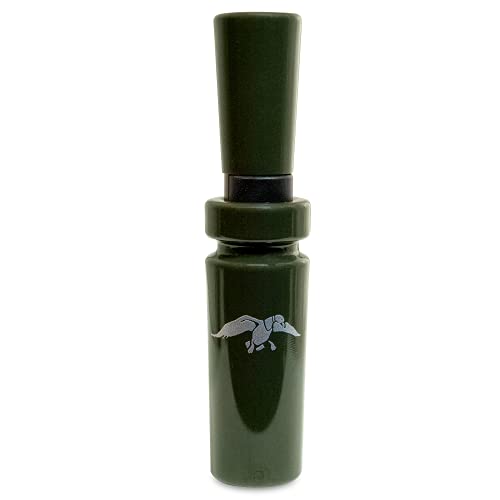
The RDC200 Duck Call from Duck Commander offers a soft, hollow tone that suits flooded timber environments, enhancing realism for close-quarters calling. It includes a built-in sound suppressor to reduce echoes, helping maintain clarity in dense cover or enclosed settings. While highly effective at short range, its versatile build also makes it viable for finishing shots in broader fields when waves of birds venture into the open, providing a reliable all-purpose timber tool.
Echo Calls Diamonwood Timbers
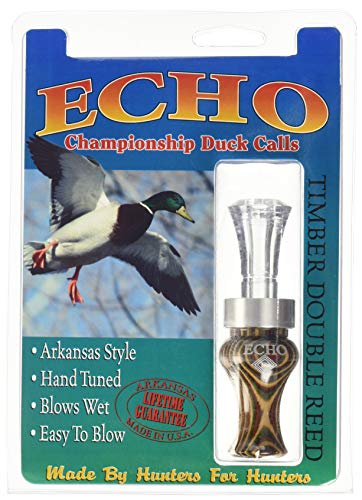
Echo Timberwood calls are crafted for close-in calling, with sounds that duck hunters often describe as “almost irresistible.” The Diamonwood timbers line emphasizes reliable performance in tight setups, where birds may hesitate before committing. Guides and serious duck hunters frequently choose these calls for their ability to produce convincing timber tones without requiring extensive technique, making them a practical selection for those focusing on short-range engagements in flooded habitats.
Echo Timber Poly Double Reed
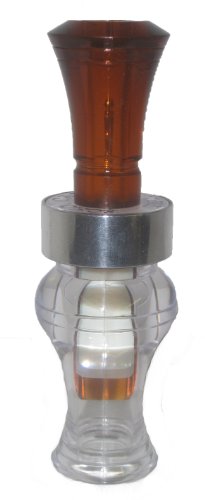
The Echo Timber Poly Double Reed is designed for easy operation in timber and green timber settings. These calls emphasize close-range appeal, delivering a sound that many ducks find irresistible at short distances. The poly construction keeps maintenance simple and provides consistent performance in humid, damp environments common to flooded timber hunts, making it a dependable option for hunters seeking a straightforward, effective call.
Buying Guide
Key purchase considerations when selecting a timber duck call include tone and range, ease of use, build quality, and environmental suitability:
- Terrain and target ducks: Timbers favor calls that deliver soft, raspy tones for mallards in dense cover, with the ability to cut through echoes in flooded areas. Choose a call marketed for timber or close-range effectiveness if that is your primary hunting scenario.
- Ease of use: For beginners, a cut-down or poly design can reduce air pressure requirements and simplify control. For seasoned callers, a versatile or built-in suppressor option can aid precision in enclosed spaces.
- Sound characteristics: Realistic mallard hen tones and slightly raspy “ducky” voices tend to attract birds more reliably in timber. Consider calls with a reputation for a natural cadence and responsive feedback.
- Durability and maintenance: Look for durable materials (such as poly or wood) and easy maintenance. Weather and humidity in timberlines demand a robust design that resists moisture-related wear.
- Versatility: Some calls perform well in flooded timber and open field scenarios. If hunting across habitats, prioritize a model with flexible performance across environments.
These selections reflect a balance of tone quality, ease of use, and timber-specific effectiveness. For shooters pursuing flooded timber or mixed habitats, the ability to produce realistic mallard calls while maintaining control in tight cover is essential. Consider trying a few models to determine which feel and sound best within your hunting style and local duck behavior.