Choosing a kid-friendly telescope can spark curiosity about space and science. The following five picks are well-suited for beginners, offer safe operation for children, and include features that help new stargazers spot the Moon, planets, and constellations with ease. Each option balances durability, educational value, and ease of use for ages 4–12 and beyond.
style=”font-weight:bold;”>Summary of Chosen Products
- NASA Lunar Telescope for Kids – 90x Magnification – Blue Marble
- Gskyer Telescope, 70mm – Beginner Refractor with AZ Mount
- Luzsco 50mm 100x – Complete Starter Kit with Tripod
- Educational Insights GeoSafari Jr. My First Telescope – 4+ Starter
- MaxUSee Kids Telescope 400x40mm – Portable Travel Kit
NASA Lunar Telescope for Kids – 90x Magnification
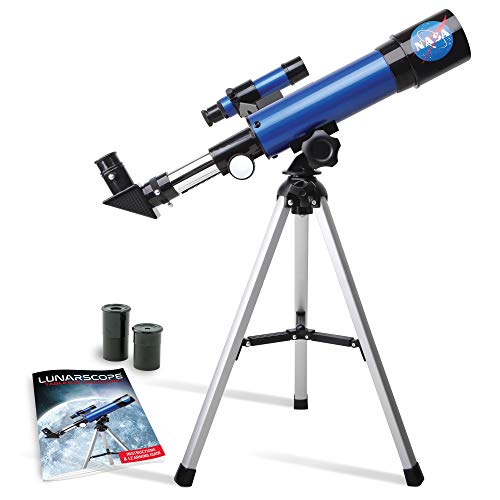
The NASA Lunar Telescope is designed for beginners who want a close lunar view. It includes a finder scope and two eyepieces to support easy target acquisition and detailed Moon observations. A tabletop tripod provides a stable viewing surface, helping younger hands keep the telescope steady while exploring lunar features. This kit is ideal for introducing space science to aspiring astronomers and is especially engaging for space-themed gifts.
Gskyer Telescope, 70mm Refractor for Beginners

With a 70mm aperture and 400mm focal length, this beginner refractor delivers bright, sharp views while remaining kid-friendly. It includes two eyepieces, a 3x Barlow lens for higher magnification, and a 5×24 finder scope to locate objects easily. A wireless remote and smartphone adapter enable easy digital capture, letting kids share their celestial discoveries with family and friends.
Little Experimenter Projector Telescope for Kids
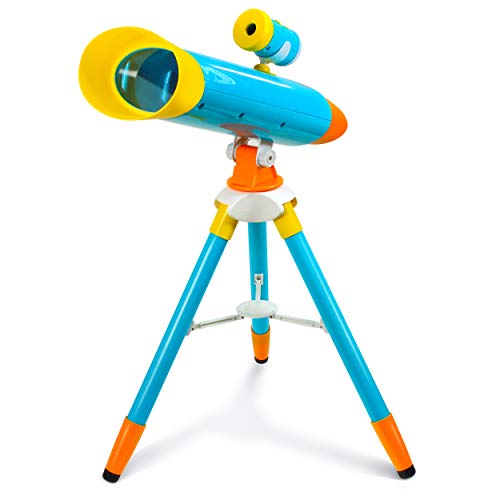
This projector-based telescope lets children view constellations as bright, space-themed images projected onto walls. It features 2x magnification, a foldable tripod, and includes 24 projection discs. Designed to engage imagination, it combines astronomy with storytelling and art, making it a compelling STEAM toy for ages 3–12.
Telescope for Kids 50mm 100x Magnification (Luzsco)

This Luzsco setup provides 20x–100x magnification with a 50mm aperture, making it suitable for beginners. It includes a sturdy tripod, two eyepieces, and a Barlow lens for added viewing options. The set emphasizes ease of assembly and portability, which is helpful for family stargazing trips and school science projects.
MaxUSee Kids Telescope 400x40mm Kit
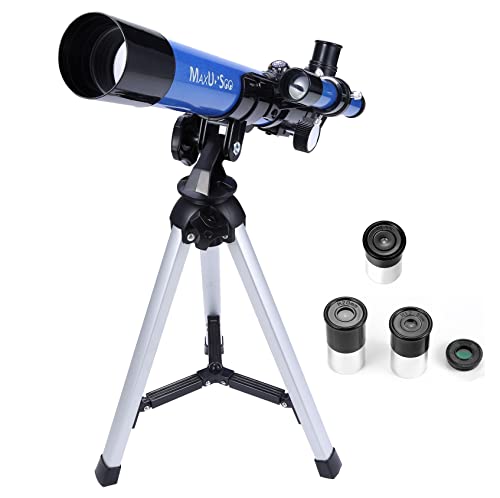
MaxUSee offers a compact 400x40mm refractor with interchangeable eyepieces, a finder scope, and a moon mirror, packaged with a travel-friendly design. The kit includes multiple accessories and a sturdy optical system suitable for beginners ages 6–12. Its portability makes it a practical option for on-the-go learning and weekend stargazing sessions.
Buying Guide: How to Choose a Kid-Friendly Telescope
- <strongAge and Skill Level: For very young children (4–6), look for focus-free or simple, guided models that require minimal setup. For older kids (7–12), consider adjustable magnification and a stable mount to build confidence in handling a telescope.
- <strongAperture and Magnification: A 50–70mm aperture is a good starting point for beginners, providing bright images of the Moon and visible planets. Magnification options should be expandable but not overly complex; features like a Barlow lens add versatility without overwhelming new users.
- <strongEase of Use and Durability: Look for lightweight, rugged designs with simple controls. Tripods that are easy to level and a finder scope to help locate targets quickly reduce frustration and encourage continuing exploration.
- <strongEducation and Engagement: Projects, STEM activities, and included images or guides can extend learning beyond viewing. Some kits offer projection or digital capture to engage kids who enjoy sharing discoveries.
- <strongPortability and Storage: For families on the go, a compact, travel-ready telescope with a carrying case or simple storage solution helps maintain curiosity between viewing sessions.
- <strongSafety and Comfort: Ensure eyepieces have soft materials and that the design minimizes pinching or eye strain. Adjustable stands and comfortable eye relief support longer, enjoyable sessions.
- <strongBudget and Value: Beginner sets vary in price. Focus on kits that include essential components (tripod, eyepieces, finder scope) and helpful extras (sturdy housing, educational discs, or guides) to maximize value.