Discover the top task boxes and learning kits designed to support children with autism through visual schedules, structured activities, and calming tools. This guide highlights five carefully selected products that focus on time management, sensory engagement, and early learning skills. Each option is chosen for its practical use in classrooms or homes, helping to reduce repetitive questions and promote independence during daily routines.
| Product | Brand | Main Benefit |
|---|---|---|
| Autism & Prosperity Time Schedule Tasks | Autism & Prosperity | Visual schedules and time management |
| Edu&Kate’s Learning Toys – Montessori Shape Matching | EduNKate’s | Fine motor and cognitive development |
| Fidget Sensory Toys 26 Pack – Quiet Fidgets | LESONG | Calming sensory tools for focus |
| Edu&Kate’s Preschool Learning Toys – 27 Pcs | EduNKate’s | Early learning and storytelling skills |
| Edu&Kate’s Alphabet Early Learning Toys – 27 Pcs | EduNKate’s | Alphabet and language development |
The selected products emphasize visual supports, hands-on learning, and sensory regulation to support autistic learners. They are suitable for home and classroom settings, promoting independent task completion, reduced anxiety around transitions, and meaningful engagement with daily routines.
Autism & Prosperity Time Schedule Tasks

Features focus on boosting progress through structured activities that aid transitions, time management, and daily routine communication. The bundle is designed to reduce repetitive questions and support effective communication in autism-focused settings. It also includes a visual timer to help manage screen-time and set timeouts, making transitions smoother for kids with autism.
Edu&Kate’s Learning Toys for Kids – Montessori Shape Matching
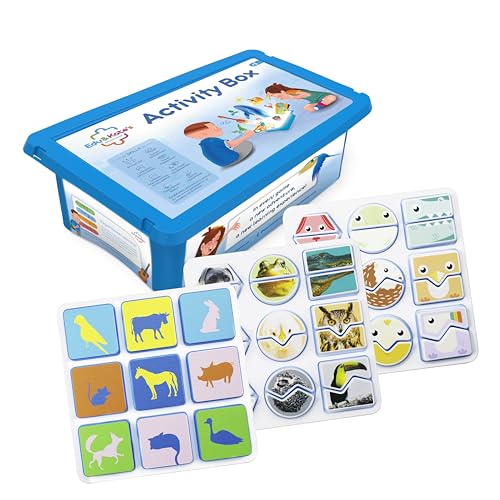
Designed to build visual perception, fine motor skills, and hand-eye coordination, this kit is therapists-approved for use with toddlers and preschoolers. It offers bright colors and hands-on shape sorters, providing a sensory-rich experience that supports early problem-solving and language growth, aligning with autism-focused early learning goals.
Fidget Sensory Toys for Kids: 26 Pack – Quiet Fidgets

This 26-pack collection includes textured worry stones, stretchy noodles, and finger sensory rings. The assortment is designed to meet varied sensory needs, providing tactile engagement to calm, focus, and reduce anxiety. The glow-in-the-dark noodles add an extra visual element for engaging therapy sessions and classroom use.
Edu&Kate’s Preschool Learning Toys – 27 Pcs

These Montessori-inspired materials support visual perception, critical thinking, fine motor skills, and storytelling. Therapists approve these puzzles for cognitive and social development, helping toddlers and preschoolers engage in structured play that strengthens language and problem-solving abilities.
Edu&Kate’s Alphabet Early Learning Toys – 27 Pcs

This alphabet-focused kit supports early language development through engaging speech therapy-inspired activities. Therapists trust these materials for cognitive, sensory, and fine motor growth, helping children connect letters with sounds in a playful learning environment.
Buying Guide: Key Purchase Considerations For Task Boxes And Autism Learning Kits
- Visual Support And Clarity — Choose kits that offer clear visuals, schedules, and chunked tasks to reduce anxiety and improve transitions.
- Sensory-Focused And Calming Tools — Look for a mix of tactile, visual, and fidget items to support regulation, attention, and focus during activities.
- Developmental Appropriateness — Ensure activities align with current skills (fine motor, language, cognitive) and can be adjusted as progress occurs.
- Therapist and Educator Endorsement — When possible, select products designed or recommended by child development professionals to support evidence-based practices.
- Versatility And Longevity — Prioritize kits that grow with the child, offering multiple activities or boards that accommodate advancing skills.
- Home And Classroom Compatibility — Consider ease of use, portability, and durability for both home settings and classrooms.
- Safety And Allergens — Check materials for age-appropriate safety standards and avoid items with small parts for younger children.
- Budget And Value — Balance the number of activities and variety of tools with long-term use, aiming for solutions that minimize the need for multiple separate products.
- Implementation Tips — Combine visual schedules with routines, set consistent timers, and rotate activities to maintain engagement and reduce overstimulation.
- Accessibility And Customization — Seek adjustable timers, customizable boards, and adaptable activities to meet individual needs and preferences.