Entering the world of FPV racing requires a kit that balances beginner-friendly controls with room to grow into more advanced flying. The following hand-picked starter packages and components are designed to help new pilots learn safely, build confidence, and progress toward freestyle flight. Each option blends a core drone or frame with essential accessories, ensuring a smoother start for American hobbyists.
Overview of Selected Products
| Product | Brand | Key Feature |
|---|---|---|
| APEX FPV Drone Kit, FPV Goggles | APEX | Low-latency 5.8G transmission with beginner mode |
| BETAFPV Cetus FPV RTF Kit | BETAFPV | All-in-one beginner-friendly kit with sim support |
| Readytosky 250mm FPV Racing Drone Frame | Readytosky | Sturdy carbon frame with space for components |
| FPVDrone 225mm Frame Kit | FPVDrone | Compact 5-inch frame with ample installation space |
| Tiny Hawk Micro Drone Ready To Fly | Tiny Hawk | Lightweight, durable build with real FPV |
APEX FPV Drone Kit With Goggles

APEX offers a compact FPV package designed for beginners and evolving pilots. The kit combines a first-person view drone with wide 120-degree FPV and low-latency transmission for real-time feedback. It features a beginner Altitude Mode to maintain stability, while Manual Mode supports freestyle as skills improve. A robust build helps new flyers practice without frequent crashes, and the immersive goggles enhance the learning curve. The kit is ideal for learning core piloting techniques before moving to more advanced configurations.
Beria FPV Obstacle Course Kit

The Beria obstacle course adds a practical training dimension for FPV racing. It includes three easy-to-build hoops to create varied racing routes, improving maneuvering, timing, and precision. Built with durable materials, the set withstands frequent use in competitive-style drills. It’s suitable for all ages, offering a structured way to practice gate passing, speed control, and obstacle avoidance. This accessory emphasizes skill-building alongside a standard kit, making it a strong supplement for beginners looking to expand their course layouts.
BETAFPV Cetus FPV RTF Kit

The Cetus FPV Kit is a popular starter solution due to its all-in-one design. It includes a brushed Quadcopter with protective features, a LiteRadio 2 SE transmitter, and VR02 FPV Goggles. The kit supports FPV simulators for practice without risk, and the built-in OSD on the goggles helps pilots monitor flight data. The Cetus setup is portable, forgiving for beginners, and scalable as new pilots want to progress to faster, more capable gear.
Readytosky 250mm FPV Racing Frame
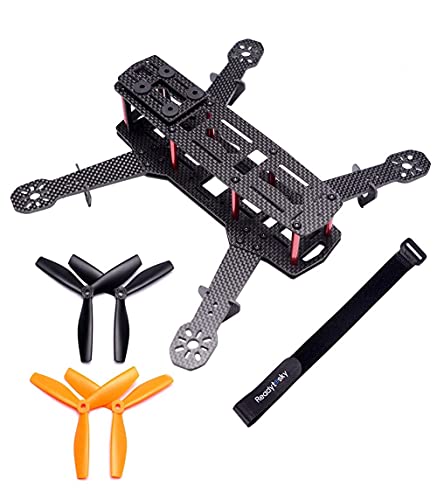
The Readytosky 250mm frame uses a sturdy 4mm carbon fiber build with shock-absorbing features. It provides ample space for electronic components and tidy wire management across multiple layers. The frame’s design prioritizes durability and ease of assembly, making it a practical foundation for a new pilot building or upgrading a starter kit. The result is reliable performance in entry-level racing and freestyle practice sessions.
FPVDrone 225mm Frame Kit
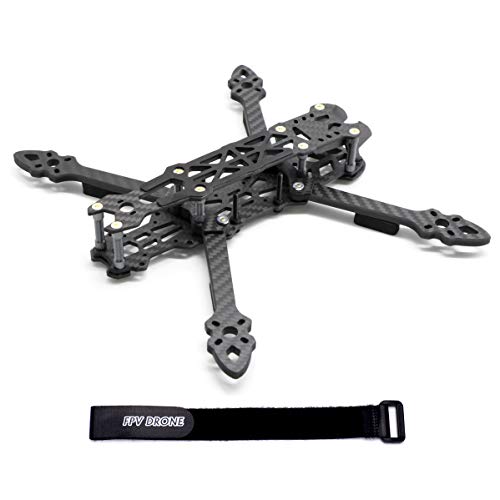
The FPVDrone 225mm frame kit focuses on a compact, 5-inch freestyle platform with high-quality 3K carbon fiber and precise CNC processing. Its aesthetically pleasing design hides robust crash resistance and ample interior space for electronics. The 25mm standoffs help achieve stable CG alignment, improving control during aggressive moves. This frame is suited for pilots who want a nimble, responsive base for learning advanced tricks in tighter indoor or outdoor spaces.
Tiny Hawk Micro FPV Ready To Fly
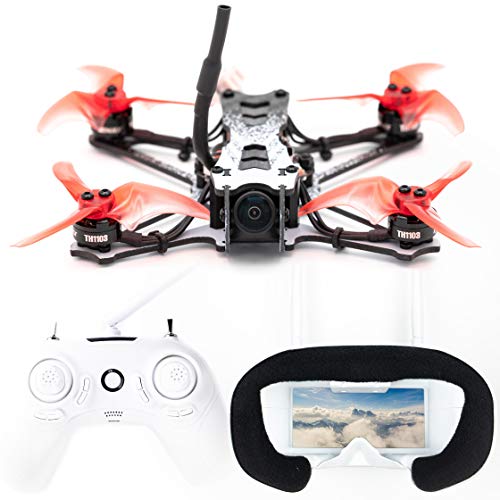
The Tiny Hawk micro drone offers a compact, durable platform with a real FPV experience. Its lightweight construction supports safe, forgiving flights, making it ideal for beginners who want a quick, all-inclusive setup. The micro size is particularly appealing for practicing precise, low-altitude control and rapid maneuvering in small spaces, while still providing a pathway to more advanced flying as skills improve.
Buying Guide: Key Purchase Considerations
- Learning curve and mode options: Look for beginner modes or altitude hold to ease new pilots into effective control and gradual progression to manual or sport modes.
- All-in-one vs. build-your-own: All-in-one kits (RTF) simplify setup and reduce compatibility concerns for beginners, while frame-based kits offer customization as skills grow.
- Transmitter compatibility: Ensure the included TX (radio controller) supports simulators and can bind with standard receivers used in your goggles and drone.
- Goggles and FPV quality: Good field-of-view and latency are essential for immersive flying and quick reaction to obstacles.
- Durability and weight: Starter gear should tolerate occasional crashes; lighter builds fly more efficiently but may be less forgiving on impact.
- Upgrade path and community: Favor brands with broad parts availability and active user communities for tutorials, firmware, and troubleshooting.
- Indoor vs. outdoor suitability: Indoor-friendly gear often emphasizes smaller frames and slower response, while outdoor kits benefit from longer flight times and sturdier frames.
- Battery and flight time: Consider the balance between weight, performance, and runtime. For beginners, longer flight times reduce frequent recharges and build confidence.
- Safety and regulations: Adhere to local rules for drone operation and use protective caps, guards, and proper charging practices.
- Budget and upgrade plan: Start with a modest budget and plan phased upgrades (frame → motors → VTX/OSD) as proficiency grows.