Spring-powered air pistols offer reliable, low-maintenance fun for plinking, target practice, and training sessions. This guide highlights five well-regarded options, noting how each model handles, the ideal use cases, and key features to consider before buying. Whether you’re a beginner or an enthusiast, understanding power levels, reliability, and compatibility helps you choose the right spring-powered pistol for your needs.
| Product | Brand | Type | Power |
|---|---|---|---|
| Walther P22 6mm BB Pistol Airsoft Gun | Umarex Store | Spring-powered BB pistol | Up to 260 fps |
| Crosman PSM45 | Crosman Store | Spring-powered BB pistol | Up to 190 fps |
| Umarex Ruger Mark IV | Umarex Store | Break-barrel pellet pistol | Not specified here |
| Umarex DX17 | Umarex Store | Spring-powered BB pistol | Up to 200 fps |
| Daisy Powerline 426 | Daisy | CO2 semi-auto pistol | Not applicable (CO2) |
Below are detailed sections for the five models most relevant to spring-powered models and similar non-pellet or entry-level options that commonly appear in U.S. beginner setups. Each product section includes an image, a quick overview, and the standout features to help you compare at a glance.
Walther P22 6mm BB Pistol Airsoft Gun

The Walther P22 is a lightweight, polymer-bodied airsoft pistol designed for casual target practice and training. It uses 6mm plastic BBs and operates as a spring-powered airsoft pistol, delivering reliable semi-auto-like action suitable for indoor or backyard use. With a high-strength polymer frame, this model emphasizes maneuverability and comfort during extended sessions, while its compact size helps new shooters focus on fundamentals without weight fatigue. Ideal for beginners seeking a safe, low-recoil option for steady practice and safe plinking scenarios.
Crosman PSM45 Spring-Powered BB Pistol

The Crosman PSM45 combines a full-size polymer frame with a metal slide and a Picatinny rail for accessories, offering a realistic feel and robust handling. It is spring-powered and can reach speeds up to 190 fps, making it a solid option for beginners who want consistent performance without the complexities of gas systems. The pistol comes with a 20-round drop-out clip and is compatible with traditional steel BBs, although BBs are not included. This model emphasizes simplicity, reliability, and ease of practice for developing basic grip and trigger control.
Umarex Ruger Mark IV Break Barrel Pellet Pistol

The Umarex Ruger Mark IV uses a break-barrel design for easy cocking and loading, delivering a practical option for target shooting and plinking. This single-shot, break-barrel pistol features a lightweight build that makes it accessible for new shooters while still offering sufficient accuracy for short-range practice. Its adjustable rear sight and fixed front fiber optic sight help with quick aiming adjustments, supporting steady practice routines without requiring extensive setup.
Umarex DX17 .177 Caliber BB Gun Air Pistol
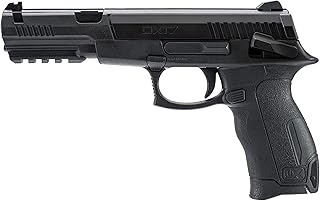
The Umarex DX17 is a spring-powered BB pistol chambered in .177 caliber, designed for recreational plinking and casual target practice. It shoots steel BBs up to 200 fps and includes an integrated Picatinny rail for easy attachment of optics or accessories. The fiber optic front sight enhances quick target acquisition, making it a practical choice for entry-level shooters who want quick feedback and simple customization options during practice sessions.
Daisy Powerline 426 Air Pistol

The Daisy Powerline 426 is a CO2-powered semi-automatic pistol intended for rapid firing and fast practice, delivering up to 15 shots per CO2 fill. While not spring-powered, it’s included here as part of a broader look at common spring-like practice pistols in the market, offering insight into how CO2 systems compare in feel and operation. This model is well-known for reactive targets and quick firing sessions, making it a relevant reference point for shooters evaluating power, rate of fire, and ammo compatibility in recreational settings.
Buying Guide
- Purpose and environment: Choose spring-powered pistols for quiet, indoor-friendly practice or outdoor plinking. For quick follow-up shots or training sessions, look for models with easy cocking or lower recoil to build consistent trigger control.
- Power and velocity: Note that fps figures vary by model and ammunition. Higher fps can improve distant accuracy but may increase recoil and noise. Start with lower velocities for beginners to build fundamentals safely.
- Build and ergonomics: Polymer frames reduce weight and enhance maneuverability, while metal slides or rails enable accessory mounts. An ergonomic grip supports better aiming and reduces fatigue during longer practice sessions.
- Ammunition compatibility: Some models are designed for BBs, others for pellets, and some use CO2. Ensure you choose the correct ammunition type and verify availability and safety guidelines for your local range or space.
- Maintenance: Spring-powered pistols are generally low-maintenance compared to gas-powered options. Regularly inspect the spring, ensure proper lubrication, and store in a dry environment to extend life.
- Safety features and training use: Prioritize models with secure safeties and manageable trigger weight. For youth or new shooters, select pistols with clear instruction guides and child-safe handling practices.
- Accessories and upgrades: If you plan to customize, look for pistols with Picatinny rails or compatible grip upgrades. Accessory compatibility can enhance practice scenarios and target setups.
- Cost of ownership: Consider the total cost of ownership, including ammunition (BBs or pellets), maintenance, and potential upgrades. A balanced initial investment often yields long-term practice benefits.
When selecting a spring-powered air pistol, compare how each model fits your practice goals, space constraints, and safety considerations. The right choice will offer reliable performance, comfortable handling, and straightforward operation that encourages regular, productive practice sessions.