Finding engaging, screen-free toys that challenge a 10-year-old’s mind can boost creativity, problem-solving, and spatial thinking. The following selections emphasize hands-on learning, quick play patterns, and portable options that fit into travel and family game nights. Each item below is chosen for age-appropriateness, educational value, and broad appeal for both boys and girls.
| Product | Brand | Key Feature |
|---|---|---|
| Smartivity DIY Pinball Machine | Smartivity | 100% screen-free STEM learning with a step-by-step build |
| Moose Flipslide | Moose | Fast-paced, multi-mode handheld puzzle for quick thinking |
| PlayRoute Light Up Cube | PlayRoute | Five brain-training games to boost memory and concentration |
| COBFDHA Solar Robot Kit | COBFDHA | Sun- or battery-powered robotics for hands-on STEM exploration |
| Xinbeiya Rechargeable Cube | Xinbeiya | Three speed games and two creativity games with a score screen |
These picks balance mechanical skill, puzzle solving, and portable play, offering varied ways to exercise logic, fine motor skills, and persistence without screens.
Smartivity DIY Pinball Machine for Kids

Smartivity’s DIY Pinball Machine offers a fully screen-free, hands-on STEM experience. Built to develop core skills as kids assemble and play, the toy emphasizes scientific thinking in a fun arcade setting. The included parts are designed to be replaced if needed, reducing ongoing interruptions and encouraging long play sessions. Suitable for ages 8 through 14, it targets curiosity about physics, motion, and cause-and-effect through an engaging, family-friendly build-and-play process.
Moose Flipslide Game

Flipslide combines fast reflexes with strategic pattern matching. This handheld puzzle challenges players to flip and slide colors to align lights across multiple modes, offering quick rounds for busy schedules and longer sessions for deeper problem-solving. With four distinct modes—Speed, Multiplayer, Level, and Memory—the game scales in difficulty, keeping 10-year-olds engaged while promoting concentration, planning, and fine motor control.
PlayRoute Light Up Cube
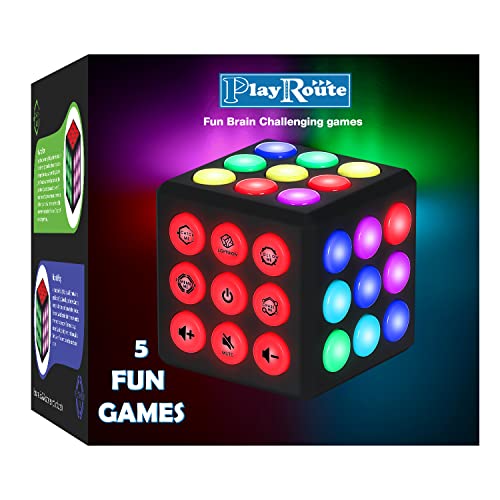
The PlayRoute Light Up Cube combines five brain and memory games in a compact handheld. Designed for travel and downtime, it challenges memory, pattern recognition, and attention through engaging, color-based tasks. The device supports solo play and is touted as a great gift for kids and teens alike, providing a portable way to practice focus and cognitive flexibility during commutes or quiet evenings at home.
COBFDHA Solar Robot Kit
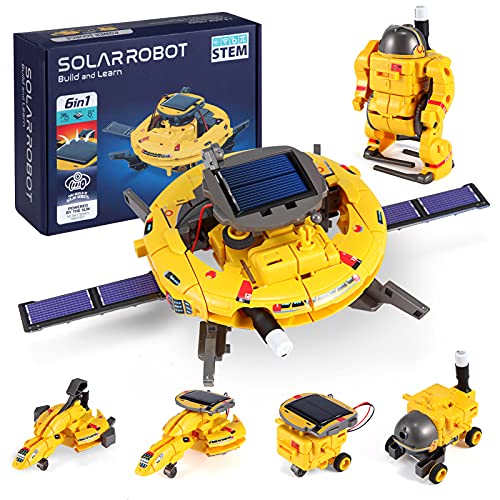
COBFDHA’s solar robot kit includes multiple build options and demonstrates renewable energy concepts. The set features six different building robots powered by sun or battery, helping kids understand energy conversion, circuitry basics, and engineering design. Suitable for ages 8-14, the activity cultivates hands-on problem solving, spatial reasoning, and perseverance as kids experiment with motion under varying power sources.
Xinbeiya Rechargeable Game Cube

The Xinbeiya Rechargeable Cube offers three speed games and two creativity modes, plus a score screen for tracking progress. Its rechargeable design reduces battery interruptions, making it ideal for longer play sessions. With solo or competitive play options, the cube supports independent practice and shared challenges, encouraging quick decision-making, reaction time, and strategic thinking in a compact, portable format.
Buying Guide
- Age and skill alignment: Look for toys labeled for ages 8-12 or 9-14 that offer scalable challenges to keep a 10-year-old engaged as skills grow.
- Educational value: Prioritize items that teach STEM concepts (physics, energy, memory, problem-solving) alongside entertainment.
- Play mode variety: Multi-mode games (solo, multiplayer, timed, or memory-based) help maintain interest and support different social scenarios.
- Durability and parts: Build-to-last components and easily replaceable parts reduce frustration during extended projects.
- Portability: Compact designs suit travel, waiting rooms, and family trips, encouraging learning on the go.
- Screen-free design: For balanced development, choose options that minimize screen time while maximizing hands-on experimentation.
- Price-to-value: Consider bundles or kits that provide multiple activities or modes within a single purchase for long-term use.
- Safety and materials: Ensure the products use non-toxic materials and age-appropriate safety features, especially for small parts.
- Expansion possibilities: Some sets offer extra parts or related accessories that extend play and learning opportunities over time.
Across these selections, the emphasis is on developing scientific curiosity, improving concentration, and enhancing manual dexterity without relying on screens. Each product provides varied pathways to learning, from mechanical engineering and energy concepts to memory-based challenges and rapid decision-making.