Creating a sensory-friendly space supports focus, calm, and exploration for children with autism. The following gear combines engaging visuals, tactile stimuli, and safe design to suit homes, schools, and clinics. Each item below is selected for reliability, accessibility, and versatility in sensory rooms.
style=”display:none;”>Summary Table of Selected Products
| Product | Brand | Primary Use |
|---|---|---|
| Emberela HEXlights Sensory Lights | Emberela | Touch-activated wall lights for calming visuals and interactive play |
| Calming Sensory Lights — Ocean Projector | diatomiteco | Project ocean waves for soothing ambience and focus |
| Bright Autism Tap-Tap Lights (6 pieces) | Bright Autism | Modular, dimmable touch lights for visual/tactile exploration |
| ODOXIA Sequin Wall Panel | ODOXIA | Interactive tactile wall art for creativity and learning |
| Skil-Care 5′ x 5′ Crash Pad | Skil-Care | Soft landing surface for safe movement and regulation |
Emberela HEXlights Sensory Lights
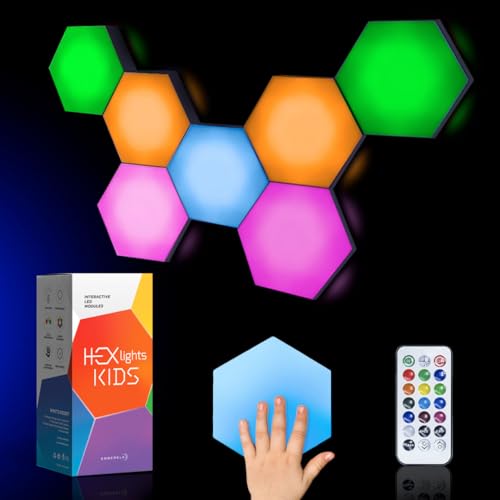
Emberela HEXlights offer seven hexagon panels that function as calming sensory lights and interactive lamps. The touch-activated design encourages children to engage with color changes through a simple tap, supporting visual tracking, motor planning, and sensory exploration. The hexagonal layout invites flexible room decor, enabling therapists and educators to construct wall displays or tabletop compositions. A table stand is included, expanding placement options from walls to desks or activity centers. These lights align with sensory room goals by delivering predictable, soothing colors and approachable interaction.
Large Spinning Chair For Autistic Kids

This large spinning chair is designed to support vestibular input and body coordination. While listed as a chair for autistic children, the product emphasizes stability, durable construction, and safe rotation to foster sensory regulation during seating. It is suitable for indoor play, classroom activities, or therapy sessions where gentle movement supports focus, write-and-draw tasks, or calming breaks. Caregivers should supervise to ensure safe use given the chair’s weight-bearing capacity and movement range.
Calming Sensory Lights — Ocean Projector

The Calming Sensory Lights from diatomiteco project water ripple effects onto walls and ceilings, recreating soothing ocean imagery. USB-powered operation makes it easy to place in bedrooms or therapy areas without visible cords. The projector is designed with autistic users in mind, providing a calming visual tool to help regulate emotions, support focus during tasks like reading or quiet-time routines, and reinforce a soothing sleep cue at bedtime. It pairs well with dimmed room lighting to maximize the calming effect.
Bright Autism Tap-Tap Touch Sensory Lights
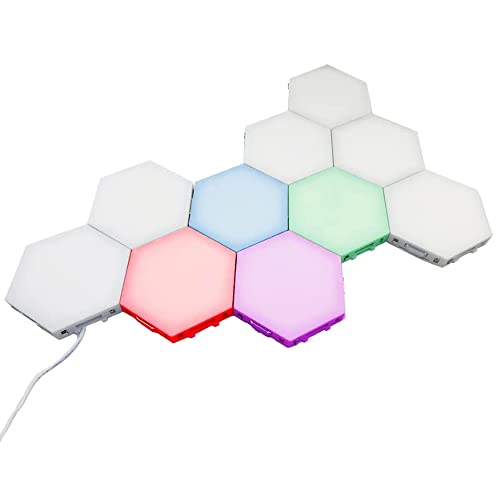
These dimmable hexagonal touch lights invite hands-on exploration and cooperative play. The built-in magnets allow linking multiple panels to create custom shapes, supporting collaborative problem-solving and spatial awareness. The touch-to-activate design is intuitive for children who respond to tactile cues, enabling easy setup in a calming corner or classroom center. The dimmable feature helps transitions between active play and calmer routines, aligning with a spectrum of sensory needs.
ODOXIA Sequin Wall Panel

The Sequin Wall Panel is a reversible, flip-panel toy designed to engage tactile exploration and creative expression. Children can interact with shimmering sequins to craft designs, patterns, and letters, supporting fine motor skills and visual tracking. The wall decor doubles as a learning aid, encouraging sequencing, color matching, and imaginative play. This item supports multi-sensory experiences, making it a versatile addition to home or school sensory spaces.
ODOXIA Sensory Mats for Autistic Children

The Odoxia Sensory Mats offer a multi-sensory experience with varied textures and colors designed for tactile play. These mats provide a secure, interactive environment for learning language, problem-solving, and motor activities. They are suitable for home education spaces, classrooms, and therapy rooms where hands-on exploration supports regulation and engagement. The mats can be used individually or combined with other sensory tools to create an immersive learning zone.
Skil-Care 5′ x 5′ Crash Pad

The Skil-Care Crash Pad provides a soft, cushioned landing zone for safe movement and regulation activities. Its high-density foam and durable cover are designed for repeated use in therapy spaces, classrooms, and home play areas. The pad supports jumping, rolling, and other dynamic activities that help children process sensory input through deep pressure and proprioceptive feedback. It also serves as a calm-down space for quiet time or reading corners.
Buying Guide: Key Purchase Considerations for Sensory Room Equipment
- Safety and durability: Look for sturdy construction, non-toxic materials, rounded edges, and easy cleaning. Equipment should be stable during use and meet applicable safety standards for children.
- Sensory modality variety: A well-rounded setup combines tactile, visual, auditory, and vestibular stimuli. Balance lights, textures, and movement to support different sensory profiles.
- Ease of use and accessibility: Choose items with intuitive controls, clear instructions, and adjustable features (e.g., dimming, color options, or inflation levels) to accommodate changing needs and abilities.
- Space and placement: Consider room size and layout. Wall-mounted panels save floor space, while portable items offer flexible configurations for different rooms or sessions.
- Therapeutic alignment: Prioritize tools that support goals like regulation, focus, motor planning, communication, and social interaction. Items should complement existing therapy plans or educational activities.
- Maintenance and cleaning: Favor products that are easy to clean and maintain, especially in shared spaces or clinics where hygiene is essential.
- Cost vs. longevity: Evaluate initial cost against durability and potential use in multiple settings. Durable, modular items often provide greater long-term value.
- Customization options: Look for modular lights, interchangeable panels, and configurable layouts that let caregivers tailor the space to individual preferences and goals.
- Multi-user suitability: Choose equipment that can be used by several children at once or alternates between solo and group activities to maximize classroom or home usage.
- Future-proofing: Consider scalable setups that can grow with a child’s needs or be expanded with additional sensory tools over time.
In summary, the selected items deliver a practical mix of calming visuals, tactile engagement, and safe movement opportunities. When building a sensory room for autism, prioritize modular, easy-to-use products that support regulation, learning, and social interaction while fitting your space and budget. A thoughtful combination of lights, soft mats, and interactive wall decor can create a versatile environment that meets a broad range of sensory needs.