Balance boards offer a versatile way to improve balance, core strength, and ankle stability. This guide highlights five highly rated options, covering wooden wobble boards, slant-and-rotating designs, and multi-function sets. Each product is evaluated on durability, weight capacity, surface grip, and suitability for home workouts, rehab, and desk-based routines. Read on to compare features and find a balance board that fits your goals and space.
| Product | Brand | Key Benefit | Weight Capacity |
|---|---|---|---|
| Amazon Basics Wood Wobble Balance Trainer Board | Amazon Basics | Solid wood top with non-slip surface for core workouts | 265 lbs |
| 3-in-1 Slant Board & 180°/360° Balance Board | ODCPN | Versatile 3-in-1 design for calves, balance directions, and rotation | 300 lbs |
| Yes4All Upgraded Wobble Balance Board | Yes4All | Large 16.34″ surface with massage spikes for grip and circulation | 300 lbs |
| Balance Board Wooden Wobble Board (VANKUTL) | VANKUTL | Anti-slip pads and sturdy plywood for therapy and standing desks | 350 lbs |
| Sportneer Balance Board | Sportneer | 7 modes, roller and ball included for diverse training | 450 lbs |
Amazon Basics Wood Wobble Balance Trainer Board
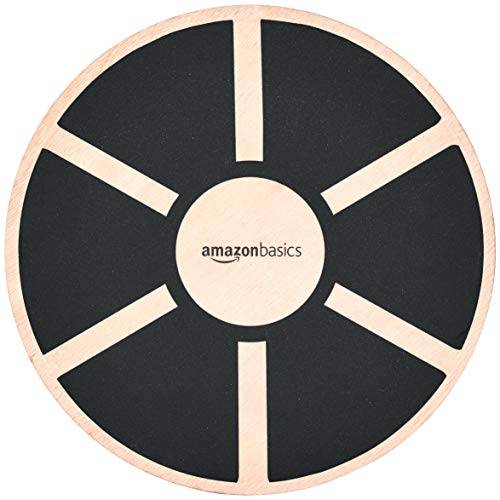
The Amazon Basics Wood Wobble Balance Trainer Board features a solid wood top and a non-slip surface to provide secure footing during a range of exercises. Its design supports up to 265 pounds, enabling a broad user base to perform core-strength routines, standing balance poses, planks, and push-ups. The board is suitable for improving balance, coordination, and posture, making it a versatile addition to home workouts or rehabilitation programs. The combination of a sturdy top and a stable base helps minimize unwanted wobble during deliberate movements.
3-in-1 Slant Board & 180°/360° Balance Board
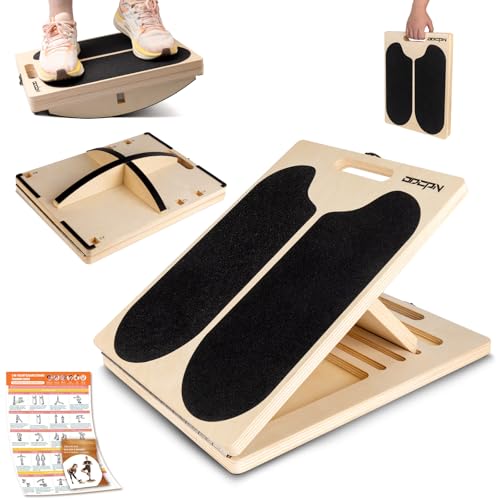
This 3-in-1 design fuses a calf-stretch slant board with 180° balance in two directions and a full 360° rotation. Built with an 11-ply AA-grade poplar core, it weighs about 4.5 pounds and supports up to 300 pounds. A non-slip EVA base and a PVC sandpaper surface enhance footing and floor protection. Six adjustable angles (20°–45°) enable gradual progression from gentle stretches to intense balance work. The included training poster offers guidance to maximize results and minimize injury risk.
Yes4All Upgraded Wobble Balance Board

This large-diameter balance board (16.34 inches) uses high-grade TPE for durability and features an antiskid bottom and massage spikes on the surface for improved grip and foot stimulation. With a weight capacity of up to 300 pounds, it supports a variety of standing, balance, and rehab routines. The design aims to foster ankle and leg strength, core engagement, and improved circulation, making it suitable for home gyms and desk-based routines alike.
Balance Board Wooden Wobble Board (VANKUTL)

VANKUTL’s wooden wobble board emphasizes stability with anti-slip pads and a robust plywood build rated to 350 pounds. It suits physical therapy, core strengthening, and posture improvement. The anti-slip features help reduce the risk of slips during dynamic movements, while the bottom reinforcement enhances long-term durability, making it a practical option for beginners, seniors, and rehabilitation users.
Sportneer Balance Board

The Sportneer balance board comes as a multifunction set with seven modes and four independent magnetic removable stoppers, allowing users to customize distance and difficulty. It includes a roller and a solid rubber ball to broaden training options for balance, coordination, and core strength. Built from birch with a lofty weight capacity of up to 450 pounds, this board is designed for varied users—from casual exercisers to athletes seeking progressive challenges, while protecting floors from scuffs.
Yes4All Balance Board For Standing Desks

Yes4All’s balance surf board focuses on adjustable stoppers and multiple width options (11, 16, and 22 inches) to accommodate different skill levels. Constructed from 15-ply pressed wood, it supports up to 300 pounds and uses emery polishing to reduce slipping. The board’s integrated roller aids in leg and core engagement, while the surface and kit materials minimize noise and wear on indoor floors. It’s suitable for desk workouts, rehab routines, and balance training for all ages.
Balance Board Professional Wobble Board (Woodure)

Woodure’s professional wobble board emphasizes an anti-slip and pro-stability design with a 350-pound capacity. It targets beginners through seniors and those recovering from injury by supporting balance, core strength, and proprioception development. The board is suited for standing desk use and physical therapy settings where stable, controlled training helps mitigate fall risks while improving mobility and coordination.
Frgofl Balance Board For Ankle Strengthening

Frgofl offers an adjustable single-leg balance board designed to aid ankle strengthening and rehabilitation for sprains and plantar fasciitis. It includes a video-guided exercise set and a carry bag, enhancing convenience for at-home therapy. The board focuses on proprioception, mobility, and reducing re-injury risk through targeted, progressive training, with emphasis on safe form and accessible setup for home users.
Buying Guide: Key Purchase Considerations
- Intended use: Rehab, desk workouts, general balance training, or sport-specific drills will influence board type (slant, wobble, or multi-mode).
- Weight capacity and footprint: Ensure the board supports your weight and fits your available space, especially for desk or low-ceiling areas.
- Surface and base grip: Look for non-slip surfaces and anti-slip bases to minimize slips during movement.
- Durability and material: Wood and high-grade plastics offer different feels and lifespans; consider room temperature and moisture for long-term use.
- Versatility: Some boards include accessories (roller, ball, stoppers) that expand training possibilities and progression.
- Portability and storage: Lightweight options with carry bags are easier to transport and store, especially for home gyms with limited space.
- Maintenance: Easy-to-clean surfaces and protective accessories help keep the board in good condition with regular use.
- Skill progression: Choose a model with adjustable angles or modular components if you plan to advance over time.
- Therapy alignment: If rehabilitation is a focus, ensure the product aligns with your clinician’s guidance and includes clear exercise tutorials or video guides.
When selecting a balance board, consider the balance challenges you want to tackle, the level of guidance you prefer, and how the device fits into your overall fitness or rehabilitation plan. The options above cover wide price points and feature sets, making it possible to find a board that suits beginners through advanced users, and casual desk routines through structured therapy programs.