Choosing the right beginner saxophone book can help new players build fundamentals, note-reading, and practical playing. This guide highlights five accessible options that blend method lessons with songs, solos, and practice material to support steady progress for aspiring saxophonists in the United States. Each entry includes key features to help compare pedagogy, format, and scope for entry-level learners.
| Product | Brand | Format | Notes |
|---|---|---|---|
| Rubank Elementary Method: Saxophone | Rubank Publications | Softcover, 48 pages | Beginner-friendly lessons with solos and duets |
| First 50 Songs You Should Play on the Sax | Hal Leonard | Paperback, 64 pages | Popular tunes ideal for early players |
| W21XE – Standard of Excellence Book 1 – Alto Saxophone | Kjos Music Company | Book | Structured method with established repertoire |
| Absolute Beginners – Alto Saxophone Instruction Book | Hal Leonard | Book with online audio, 48 pages | Step-by-step guide with audio support |
The selected titles cover foundational technique, reading, and repertoire to foster confidence in beginner saxophonists. They balance method drills with approachable songs to keep practice engaging while building essential skills like embouchure, tone production, breath control, and basic articulation.
Rubank Elementary Method: Saxophone
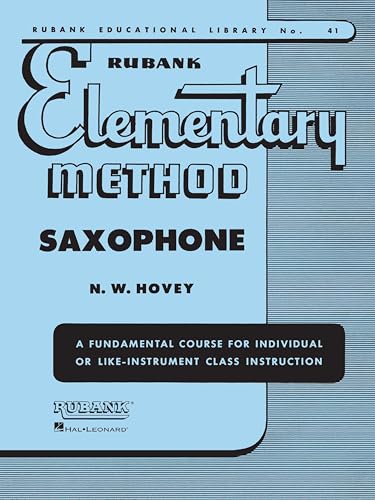
Product highlights include a softcover format with 48 pages, sized 12″ x 9″, and editorial guidance by N.W. Hovey. This beginner-oriented volume emphasizes essential technique through graded exercises suitable for entry-level players. The book’s structure supports incremental skill development, making it a practical first library addition for new saxophonists seeking a clear, traditional instructional path.
First 50 Songs You Should Play on the Sax

This Hal Leonard collection emphasizes experience through songs, featuring 64 pages tailored for saxophonists in the early stages. The book includes familiar pop, jazz, and movie tunes, offering practical application for technique acquired in method books. The approachable format supports regular practice sessions, while broad repertoire exposure helps students progress from simple melodies to more expressive playing.
W21XE – Standard of Excellence Book 1 – Alto Saxophone

Standard of Excellence Book 1 is a widely adopted method that introduces alto sax players to essential scales, articulation, and concept work aligned with band pedagogy. The Kjos Music Company edition provides structured lessons, breathing and embouchure guidance, and progressive repertoire suitable for classroom or individual practice. It serves as a robust bridge between beginner material and more advanced playing.
Absolute Beginners – Alto Saxophone Instruction Book
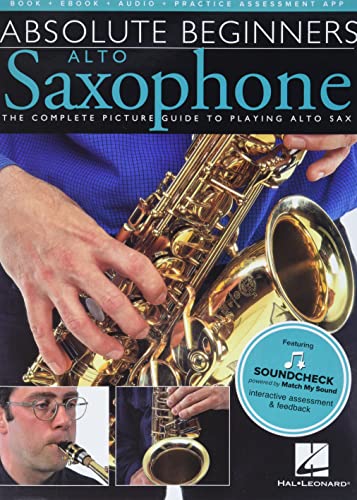
Hal Leonard’s Absolute Beginners offers a step-by-step approach designed for new players, combining a physical book with online audio for listening and practice. At 48 pages, the guide covers essential fundamentals for alto sax, including posture, breath support, embouchure, tone production, and basic notes. The accompanying audio provides a practical way to model correct technique and rhythm while practicing at home.
Buying Guide
- Learning pace and format: Beginner books vary from strictly written exercises to audio-supported guides. If you learn best by listening, look for titles that include companion audio.
- Content balance: A solid beginner resource typically blends technique (breath, embouchure, tonguing) with musical application (scales, simple tunes, and short solos).
- Repertoire breadth: Introductory songs should span easy pop, jazz standards, and classical bits to build versatility and motivation.
- Progression and pedagogy alignment: Consider whether the book aligns with school band methods or private study goals, ensuring a smooth transition to more advanced material.
- Format and portability: For travel practice, choose compact formats with clear diagrams and legible notation. Hardcover or spiral binding can be more durable for daily use.
- Inclusion of teacher resources: Some editions offer teacher duets, lesson plans, or online audio tracks, which can be valuable for structured guidance.
- Online audio accessibility: If a title includes audio, verify compatibility with common devices and streaming options for classroom or home use.