Choosing a kid-friendly rock guitar means balancing playability, durability, and engaging lessons. The following selections offer beginner-friendly formats—books, kits, and starter models—designed to spark a child’s musical curiosity while building confidence. This guide highlights five solid options with clear features and learning support to help parents and young players pick the right first instrument or learning companion.
Summary of chosen products:
- Beginning Rock Guitar for Kids — Hal Leonard — Book Only — 40 pages — Guitar instrumentation
- Rock Songs for Kids — Hal Leonard — 80 pages — Guitar instrumentation
- Best Choice Products 30in Kids Electric Guitar Starter Kit — Black — 5W Amp — All-in-One
- Best Choice Products 30in Kids Electric Guitar Starter Kit — Metallic Blue — 5W Amp — All-in-One
- Simba My Music World Rock Guitar — 22″ — Real strings — For ages 4+
Beginning Rock Guitar For Kids

This book from Hal Leonard provides a straightforward path for beginners, focusing on the essentials of rock guitar in a kid-friendly format. With 40 pages of focused lessons, it emphasizes fundamentals suitable for early players, helping children build finger strength, rhythm, and basic chords. The material is designed for classroom or home use and is instrument-specific for guitar.
Rock Songs for Kids — Easy Guitar Notes and Tab Songbook

This book targets young players with familiar tunes arranged for beginners. It includes easy guitar notes and tab, enabling kids to learn songs quickly while reinforcing reading music and playing in time. The 80-page format offers a longer practice arc and a variety of songs to maintain motivation as skills grow.
Best Choice Products 30in Kids Electric Guitar Starter Kit

This all-in-one starter kit is sized for kids, including a 30-inch electric guitar, a 5W amplifier, strap, gig bag, strings, and picks. The kit emphasizes a kid-friendly setup so beginners can practice right away. It also notes access to a broader lesson ecosystem through a partner program, plus a digital tuner for easy tuning, supporting consistent practice sessions and progress tracking.
Best Choice Products 30in Kids Electric Guitar Starter Kit — Metallic Blue
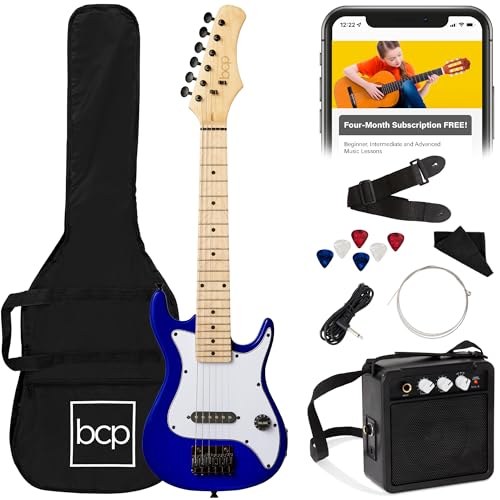
This metallic blue variant shares the same beginner-friendly design as the black kit, with a child-sized 30-inch electric guitar and beginner-friendly features. It includes a 5W amp, strap, gig bag, and strings, delivering a compact, visually appealing package that supports early rock exploration and muscle development for young players.
Beginning Rock Guitar for Kids: A Fun, Easy Approach

This Hal Leonard title offers a playful yet structured approach to rock guitar for young learners. With 40 pages focused on guitar instrumentation, it aims to make the early steps approachable while building a foundation in technique, rhythm, and chord shapes tailored for kids. It’s a complementary resource to interactive kits or method books.
Buying Guide: Key Purchase Considerations
- Age and physical size: Choose a guitar with a 30-inch scale or smaller for younger children to ensure comfortable reach and proper hand position.
- Playability: Light gauge strings, low action, and smooth neck finish help kids press notes with less effort and reduce fatigue during practice.
- Learning support: Books and songbooks with simple notation, tablature, and beginner-friendly songs boost early motivation and progress tracking.
- Included accessories: Starter kits with a tuner, strap, case, and extra strings provide a complete setup, minimizing additional purchases.
- Durability and safety: Look for sturdy construction and child-safe finishes. A strap and padded case protect the instrument during transport.
- Amplification and sound: Electric starter kits require an amplifier; ensure the amp is compact and suitable for practice volumes, especially in shared spaces.
- Learning ecosystem: Access to digital lessons or apps can offer structured practice plans and a broad library of songs to sustain engagement.
- Future upgrade potential: Some kits enable transitioning to full-sized guitars as the child grows, making them a cost-effective long-term option.
- Budget and value: Compare the total package—kit contents, included lessons, and the instrument’s build quality—to determine overall value for a beginner.
- Parent involvement: Books and structured lesson plans help parents or guardians guide practice sessions and monitor progress.
Multiple perspectives matter: acoustic vs. electric options suit different preferences and environments. Acoustic guitars are often simpler to maintain and quieter to practice at home, while electric models can offer a more immediate rock sound and easier string playability for beginners. Starter kits with bundled access to lessons can accelerate early progress, but pairing any choice with regular, short practice sessions typically yields the best results for developing coordination, rhythm, and musical enjoyment.