Rainmaker toys offer soothing sounds and captivating visuals that can support sensory processing, calm focus, and early learning. The following selection highlights five highly regarded rainmakers designed for children with autism and sensory needs, featuring soothing rain-like sounds, bright colors, and durable construction suitable for daily use at home, school, or therapy settings.
Summary table of chosen products:
| Product | Brand | Key Benefit |
|---|---|---|
| TDOCK 2 Pack Rainmaker Rain Stick | TDOCK | Two sticks for shared or varied play; soothing rainfall sounds |
| Hape Beaded Raindrops | Hape | Bright colors, easy grip, robust wooden design |
| BIUWING Rainmaker Rain Sticks | BIUWING | Auditory and visual stimulation; easy to shake |
| Flwedora Rainmaker Toy | Flwedora | Montessori-style wooden rainmaker with rich colors |
| Ubblove Rainmaker 12 Inch | Ubblove | Large, clear visuals with flowing beads; long-lasting |
TDOCK 2 Pack Rainmaker Rain Stick
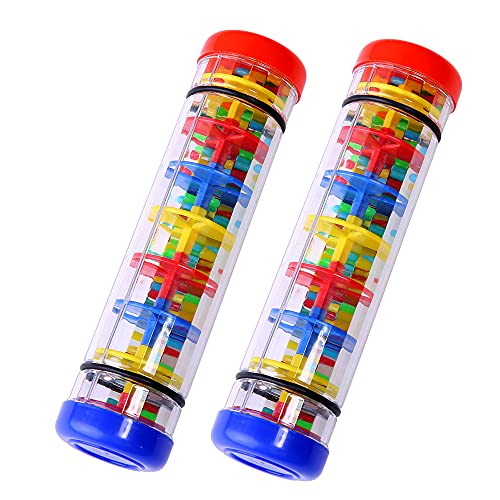
The TDOCK rainmakers offer soothing raindrop sounds and a colorful display, providing an engaging sensory experience for babies, toddlers, and kids. The 8-inch tubes are easy to grip and manipulate, promoting tactile engagement while producing calming auditory feedback. The dual-pack option supports shared play or varied exploration, making them suitable for small group activities and therapy sessions. Durable construction helps withstand frequent handling and drops in home or classroom settings.
Autism & Prosperity All-Around Sensory Stim Set
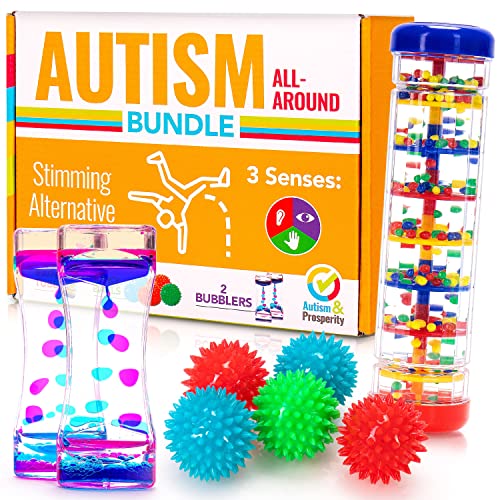
This all-around ASD toy bundle combines a liquid bubbler, a rainmaker, and spiky sensory balls to address multiple sensory channels—auditory, visual, and tactile. The set emphasizes safe, engaging stimulations as an alternative to riskier behaviors, helping children manage stress and meltdowns through structured sensory feedback. The durable plastic components are designed to withstand repeated use, making it appropriate for both home play and clinical environments where consistent sensory input is beneficial.
Hape Beaded Raindrops Wooden Rainmaker

Hape’s beaded rainmaker uses a robust wooden body and vivid blue and green beads to deliver soothing raindrop sounds as beads trickle through the tube. Its easy-to-grip design helps young children develop grabbing and motor skills while engaging auditory and visual senses. The natural wood finish offers a different tactile experience than plastic, appealing to kids who prefer a traditional sensory toy with durable craftsmanship.
BIUWING Rainmaker Rain Sticks
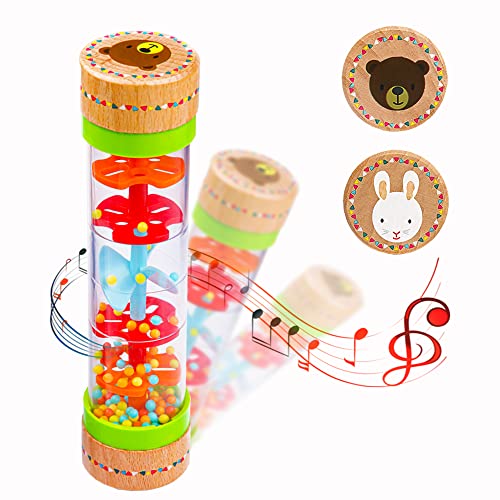
BIUWING rainmakers emphasize auditory development through soothing raindrop sounds produced as beads travel through the transparent tube. They are designed to be easily turned over or shaken, supporting gross motor skills, visual tracking, and cause-and-effect understanding. The combination of bright visuals and calm sound makes them suitable for children who respond well to consistent sensory cues during therapy and playtime.
Flwedora Montessori Rainmaker Toy

Flwedora’s wooden rainmaker combines Montessori-inspired design with rich colors and smooth edges, inviting babies to explore cause-and-effect through turning, shaking, and rolling. The emphasis on safe construction and non-toxic finishes aligns with best practices for engaging infants and toddlers in sensory-rich activities. The toy’s multi-sensory appeal—visual color, tactile wood, and auditory rain sounds—supports early development in a calm, structured format.
Ubblove Rainmaker 12 Inch

The Ubblove 12-inch rainstick provides a larger visual canvas as beads travel through the tube, delivering a slow, cascading rain effect. This longer design encourages longer engagement and is suitable for children three and up who can benefit from extended sensory play. The product supports dexterity, coordination, and early education in a way that remains approachable for children with varied sensory needs.
Buying Guide: Key Purchase Considerations
- Age and developmental goals: Choose toys that match the child’s age and target skills such as auditory processing, fine motor control, or visual tracking.
- Tactile texture and grip: For children with sensory needs, consider materials (wood, plastic) and grip design to encourage easy manipulation without frustration.
- Sound profile: Look for soothing, gentle rain sounds rather than loud or abrupt noises to support calm engagement and focus.
- Durability: Repeated handling is common in autism play; opt for sturdy builds that resist drops, squeezing, and frequent use in therapy sessions.
- Safety: Check for non-toxic finishes, rounded edges, and absence of small detachable parts for younger children.
- Visual appeal: Bright colors and clear bead movement can enhance visual stimulation and interest, aiding attention and tracking.
- Multisensory options: Bundles that combine auditory, visual, and tactile stimuli can be advantageous for broader sensory integration.
- Maintenance and cleaning: Choose materials easy to wipe down and sanitize between uses in different environments.
- Therapeutic alignment: If used in clinical settings, select toys with predictable rhythms and outcomes to support structured sessions.
- Portability and storage: Consider compact designs for travel use or classroom storage without clutter.
Usage Tips and Best Practices
Introduce one toy at a time, modeling slow, deliberate actions (turn, tilt, shake) and narrating the cause-and-effect relationship to help children anticipate outcomes. Pair sensory play with short, structured routines to reduce potential overstimulation and meltdowns. Observe each child’s responses—adjust speed, volume, and duration to maintain engagement without overwhelming the senses. For group settings, rotate between toys to maintain interest and encourage social interaction around shared activities.