Choosing safe, non toxic paints for baby toys and early art play is essential for parents and caregivers. This guide highlights top non-toxic finger paints and washable paints designed for toddlers, featuring natural ingredients, easy cleanup, and vibrant colors. Each option prioritizes skin safety, minimal staining, and age-appropriate textures to support sensory development and creative exploration.
| Product | Brand | Key Benefit |
|---|---|---|
| Veggie Baby Vegan Finger Paints | Veggie Baby | Natural veggie-based colors, edible-safe potential, ideal for babies 6 months+ |
| Honeysticks Non Toxic Finger Paint | Honeysticks | Thick, creamy texture; washable; cosmetic-grade colors; made in New Zealand |
| Jar Melo Washable Finger Paints Powder | Jar Melo | Powder-to-paint system; 6 colors; water-based and non-toxic; easy cleanup |
| ABEIER Washable Finger Paint | ABEIER | 12 vibrant colors; cream texture; ASTM D-4236 compliant; easy to wash |
| Crayola Washable Finger Paints (6ct) | Crayola | Non-toxic, washable, six bold colors; convenient for classrooms and homes |
Veggie Baby Vegan Finger Paints For Toddlers

Veggie Baby Vegan Finger Paints are crafted from natural vegetable powders, creating rich, mixable hues that reveal purple, green, yellow, orange, and pink. The paints are designed for easy use in both home and classroom settings and are marketed toward babies and toddlers ages 6 months and up. The concept emphasizes safe, organic coloring that can be enjoyed during creative play, drawing, and sensory exploration without harsh additives.
Jar Melo Washable Finger Paints (10 Colors)

Jar Melo offers a 10-color finger paint set with large 2.1 fl oz tubes. These paints are non-toxic and designed for hand and feet painting, aimed at preschoolers and toddlers. The set emphasizes safety, vivid color, and a generous capacity to support extended art sessions. The packaging supports easy storage, and the formula is described as safe for sensitive skin while providing a strong color payoff for creative activities.
Honeysticks Non Toxic Finger Paint (6 Colors)

Honeysticks Finger Paints come as a six-pack with thick, creamy texture and a water-based formulation. Made in New Zealand with cosmetic-grade colorings, these paints are designed for easy cleanup—clean from skin and paper alike—and are washable when used on skin or fabric. The texture supports precise control by little fingers, helping children visually engage with color mixing and fine motor skill development.
Jar Melo Washable Finger Paints Powder

This Jar Melo option uses a natural vegetable-based powder that transforms into paint when mixed with warm water. The kit includes tools for mixing and pouring, along with six color options. The formula is non-toxic and designed for easy cleanup, making it a flexible choice for parents seeking a paint system that reduces mess and allows customizable consistency for nudging sensory development.
ABEIER Washable Finger Paint For Toddlers

ABEIER’s washable finger paints come in 12 vibrant colors with a thick, creamy texture designed for easy blending and expressive painting. The formula adheres to safety standards (ASTM D-4236) and emphasizes skin safety, easy cleanup from skin and surfaces, and kid-friendly packaging. It suits households and classrooms seeking durable color options and minimal staining risk, compatible with various painting surfaces.
Crayola Washable Finger Paints (6ct)
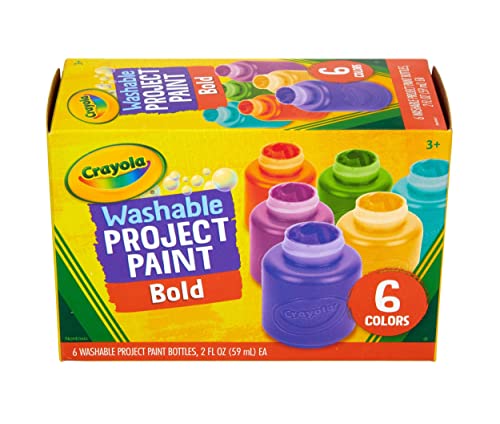
Crayola’s 6-color finger paint set features classic primary and secondary colors in washable bottles. The paints are designed to wash from skin and fabrics, reducing staining concerns for busy households and classrooms. This option emphasizes reliability, broad color range, and the convenience of a widely available brand trusted by parents and teachers for early art projects and sensory play.
Crayola Washable Finger Paints (Additional)
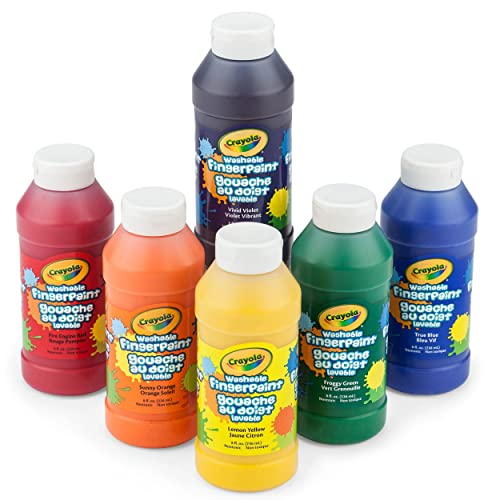
This additional Crayola option continues the brand’s emphasis on non-toxic, washable artistry for kids. The article notes multiple sets and configurations that fit various group sizes, classrooms, or family use. The emphasis remains on safety, ease of cleanup, and reliable color performance to support ongoing creative play without added stress for caregivers.
Buying Guide: Key Purchase Considerations
- Safety standards: Look for non-toxic formulas and certifications (for example, ASTM D-4236 compliance). This ensures paints are appropriate for direct skin contact and use by young children.
- Washability: Choose paints that wash from skin and typical surfaces with minimal effort. Water-based formulas typically offer easier cleanup than solvent-based options.
- Texture and viscosity: Creamy, thick textures can improve control for little hands and reduce drips, while powder-to-paint systems provide customization of thickness through water ratios.
- Color variety: A broader color range encourages color mixing and imaginative play, but starter sets with primary colors can also foster foundational skills.
- Safety of ingredients: Natural and food-grade colorants can be appealing for babies who explore by tasting. Always supervise young toddlers during painting activities.
- Skin sensitivity: If a child has sensitive skin, opt for fragrance-free formulas and products explicitly labeled as hypoallergenic.
- Packaging and storage: Reusable jars, resealable bags, and clear labeling help maintain paint quality and reduce mess during playtime.
- Age range guidance: Check recommended ages to ensure appropriate texture and complexity for your child’s development stage.
- Allergen considerations: Some paints may contain common allergens; verify ingredient lists if there are concerns about sensitivities.
- Multi-use potential: Some options double as finger paints and washable body art, adding value for families seeking versatile options.
In summary, the selections above emphasize safety, washability, and color-rich experiences for baby toys and toddler art. Each option provides a different balance of texture, color range, and application method—powder-based, cream-like, or standard liquid paints—allowing caregivers to tailor choices to their child’s age, temperament, and painting goals.