This guide highlights top model kits and hands-on activities ideal for curious five-year-olds. Each pick combines learning with play, helping kids explore science, engineering, and creativity. The selected kits emphasize age-appropriate challenges, safety, and engaging visuals to foster early STEM interest.
| Product | Brand | Age Range | Why It Shines |
|---|---|---|---|
| Dan&Darci Human Anatomy Squishy Body Model | Dan&Darci | 4-8 | Hands-on anatomy exploration with removable parts |
| choopheme 10 in 1 Stem Toys | choopheme | 4-8 | Multiple models, building and problem-solving in one kit |
| SMILESSKIDDO 50-in-1 Robot Kit | SMILESSKIDDO | 6-13 | Wide variety of models and moving parts |
| Dan&Darci Dino Models Clay Craft Kit | Dan&Darci | 3-8 | Creative dinosaur building with learning cards |
| Klever Kits 4 Wooden Aircrafts | Klever Kits | 6-12 | Four crafts in one kit with painting and stickers |
Below are five carefully chosen options that align with the interests and development level of five-year-olds, followed by a practical buying guide to help you compare features and make the right choice for your child.
Anatomy Fun: Squishy Body Model

- 30 removable body parts including brain, heart, lungs, and bones for hands-on learning.
- Interactive guide with facts, illustrations, and challenges to boost memory and curiosity.
- Develops fine motor skills as kids handle textures and rebuild the body.
- Encourages curiosity about how the human body works in real life.
10 In 1 Stem Toys Building Kit

- Builds into 10 different engineering models, including bulldozer, crane, and wind mill.
- Includes clear assembly instructions to guide young builders.
- Non-toxic parts with a sturdy storage box for quick cleanups.
- Encourages STEM skills through hands-on construction and problem solving.
50-in-1 Robot Kit
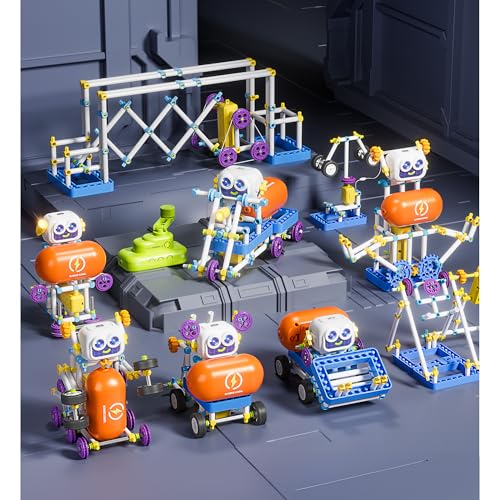
- 438 pieces to build up to 50 different models, from robots to cars.
- Varying difficulty levels to match growing skills.
- Teaches principles like gears, sensors, and energy through play.
- Supports long-term engagement with a wide range of projects.
Dino Models Clay Craft Kit

- Includes four dinosaur skeletons with colored modeling clay and sculpting tools.
- Full-color learning cards provide dinosaur history and facts.
- Encourages creativity while introducing paleontology basics.
- Ideal for imaginative play and family crafting sessions.
Wooden Aircrafts Craft Kit

- Includes four wooden aircraft models with paints, brushes, and stickers.
- Easy-to-follow instructions designed for young crafters.
- Four-in-one kit fosters creativity, attention to detail, and design thinking.
- No extra tools required; safe and tactile craft activity.
Buying Guide: Key Purchase Considerations
- Age and skill level: Choose kits labeled for ages 4-8 that align with a child’s current abilities to avoid frustration and promote success.
- Hands-on learning benefits: Look for activities that combine assembly with discovery, such as removable parts, movable pieces, or learning cards that explain concepts in simple terms.
- Safety and materials: Prioritize non-toxic materials, kid-friendly glues or paints, rounded edges, and durable components suitable for small hands.
- Creative vs. structured play: Some kits emphasize open-ended exploration (dino models, art sets) while others provide step-by-step builds (robot kits, engines). A mix helps balance guided learning with creativity.
- Storage and portability: Kits in sturdy boxes or cases make cleanup easy and allow for travel or playdates without lost parts.
- Future growth: For continued interest, select sets with multiple model options or expandable building capabilities to grow with the child’s skills.
- Educational value: Consider kits that teach core STEM concepts (anatomy, physics, engineering, energy) alongside hands-on crafting.
- Engagement and reusability: Look for parts that can be reused or repurposed, so the child can revisit concepts and create new projects over time.
- Parent involvement: Some kits benefit from adult guidance or collaboration; ensure you’re ready to participate when needed for a supportive experience.