Finding the right midrange electric guitar means balancing playability, tone, and value. This guide highlights five solid options that sit between entry-level kits and premium models, making them ideal for advancing players, students, or hobbyists who want reliable sound without breaking the bank. We’ll cover features, what each guitar brings to your rig, and practical buying considerations to help you compare options confidently.
Summary of chosen products
| Product | Brand | Type | Key Feature |
|---|---|---|---|
| Fender Squier Debut Series Stratocaster Electric Guitar, Kit | Fender | Kit | Includes Frontman amp, lessons, and hardware |
| DONNER DST-80 Electric Guitar Kit | Donner | Kit | Classic SSS pickup with amp and accessories |
| Fender Squier Debut Series Stratocaster Electric Guitar | Fender | Standard | Strat tones, Fender legacy, beginner-friendly |
| Glarry Cool Burning Fire Style Electric Guitar | GLARRY | Solid body | Distinct flame shape with versatile H-S-H pickup |
| Donner DST-100S 39 Inch Full Size Electric Guitar Kit | Donner | Kit | H-S-S pickups, complete beginner-to-mid package |
Fender Squier Debut Series Stratocaster Electric Guitar Kit

The Fender Squier Debut Series Stratocaster Electric Guitar Kit provides a trusted entry into Strat tones with an included Frontman amplifier and a structured path to learning. This kit mirrors classic Strat design with modern accessibility, helping players explore bright quacks and bluesy cleans. The included Fender Play subscription offers guided lessons, enabling steady progress without additional purchases.
DONNER DST-80 Electric Guitar Kit with Amp

The DONNER DST-80 kit centers on a 39-inch-style body with a classic SSS pickup layout. The included amp supports Classic and Overdrive tones, and an auxiliary input allows for jamming along with media players. This package is ideal for players transitioning from beginner models who want more tonal versatility and a straightforward setup for practice or small performances.
Donner DST-100S 39 Inch Full-Size Electric Guitar Kit

The DST-100S kit combines H-S-S pickups with a Canadian maple neck and a 39-inch solid-body design, aiming at players who want a versatile spectrum—from blues to rock. The included accessories and tuner help keep setup simple, while the 5-way switch and tone controls offer broad tonal options for evolving playing styles.
Glarry Cool Burning Fire Style Electric Guitar

The Glarry Fire-style guitar emphasizes visual flair and practical midrange playability with an H-S-H pickup arrangement. Its tremolo bridge invites expressive bends, and a single volume and tone knob arrangement keeps control straightforward. This instrument is designed for players who want a distinctive look paired with flexible tones for a variety of genres.
Moukey BCC-100 Acoustic Electric Guitar
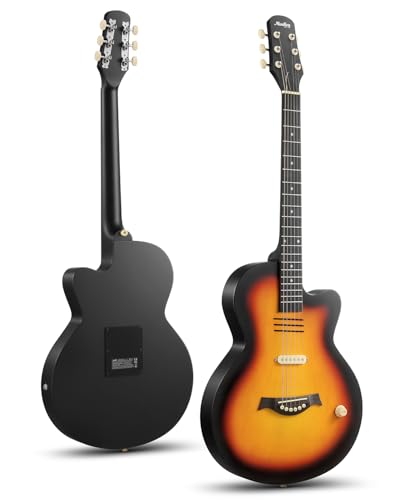
The Moukey BCC-100 offers dual acoustic-electric functionality with a passive pickup, enabling direct amplification without batteries. While not a traditional solid-body electric guitar, its lightweight hollow design and plug-and-play setup provide a bridge for players exploring both acoustic and electric tones in a midrange package.
Buying Guide: Key Considerations For Midrange Electric Guitars
- Tone and pickup configuration: H-S-S and SSS pickups cover a broad spectrum from glassy cleans to versatile crunch. Consider what music you plan to play most—blues, rock, or metal—and how flexible the pickup layout should be.
- Playability: Neck profile, fretboard radius, and scale length influence feel. Midrange models typically balance comfort with enough stiffness for solid tempo playing. A test play or a trusted review helps determine if the neck shape suits your grip.
- Setup and intonation: Many midrange guitars ship with decent setup, but a proper setup—adjusted truss rod, neck relief, truss height, and intonation—can dramatically improve action and tuning stability.
- Amplification ecosystem: Kits with an amp offer immediate practice capability. If you already own an amp, ensure the guitar’s output and impedance align with your gear for optimal tone and volume control.
- Build quality and sustain: Look for sturdy hardware, reliable tuners, and consistent fretwork. A solid build reduces maintenance and improves long-term reliability.
- Value and warranty: Compare included accessories, such as gig bags, straps, tuners, and lessons. A two-year or longer warranty is common in midrange kits and indicates confidence in durability.
- Upgrade path: If you anticipate upgrading components later (pickups, bridge, tuners), choose a guitar that facilitates easy upgrades without needing a full rebuild.
- Weight and balance: Heavier guitars can be uncomfortable during long practice sessions. If possible, test for comfortable balance to avoid fatigue.
Across these options, the choice hinges on whether you prefer a ready-to-play kit with guidance and lessons, or a more traditional electric guitar with room to customize as skills grow. Durability, tonal versatility, and a supportive learning ecosystem often define midrange value. By assessing the included accessories, pickup layouts, and the quality of the accompanying amplifier or learning materials, you can select a model that matches your progression goals.