Finding comforting, engaging companions for dementia patients can support emotional well-being and reduce agitation. This guide highlights five lifelike cat options designed to provide realistic touch, gentle sounds, and interactive features to help ease loneliness and promote calm in care settings and at home. Each pick is evaluated for sensory appeal, ease of use, and suitability for seniors with memory challenges.
| Product | Brand | Audience |
|---|---|---|
| JOY FOR ALL Companion Pet for Seniors – Orange Tabby Cat | JOY FOR ALL | ADRD patients, seniors |
| JOY FOR ALL Companion Pet for Seniors – Tuxedo Cat | JOY FOR ALL | ADRD patients, seniors |
| Assistex Therapy Cat Plush for Seniors | Assistex | Alzheimer’s, dementia care |
| JOY FOR ALL Companion Pet for Seniors – Silver Cat | JOY FOR ALL | ADRD patients, seniors |
| Perfect Petzzz Orange Tabby Cat | Perfect Petzzz | Seniors, stress relief |
Joy For All Orange Tabby Animatronic Cat

The Joy For All Orange Tabby Cat delivers a realistic look, sound, and touch using interactive technology designed to comfort older adults with Alzheimer’s and related dementias. Built-in sensors trigger lifelike head and paw movements, gentle meows, and purring, creating two-way interaction that can promote cognitive engagement and caregiver connection. The Soft-Touch Fur enhances tactile familiarity, and its compact size fits most living spaces and care settings. This model focuses on easing loneliness while supporting daily routines and socialization with family and caregivers.
Joy For All Tuxedo Cat

The Joy For All Tuxedo Cat offers the same comforting, interactive experience with a distinct tuxedo pattern that some residents prefer for familiarity. Its animatronic contact, motion-responsive paws, and purring simulate a real-cat presence while remaining a safe, low-maintenance option. The device is designed for steady companionship in homes or care facilities, supporting social interaction with caregivers and family members. Its soft fur and responsive sensors help stimulate reminiscence and routine stability for individuals with dementia.
Assistex Therapy Cat Plush

The Assistex therapy cat plush provides a realistic appearance with soft fur, silicone paws, and lifelike features to evoke the sensation of pet ownership without pets. This plush is designed to calm agitation and support better sleep by offering familiarity, comfort, and a sensory-rich experience. It is suitable for memory care environments and at-home use, giving caregivers a non-electrical alternative for soothing routines and quiet time without complicated setup.
Joy For All Silver Cat with White Mitts

The Silver with White Mitts variant offers a visually distinct look while preserving the same interactive features of motion-responsive play, purring, and realistic fur. This model supports social interaction with caregivers and family, providing a familiar, comforting companion that can help reduce isolation for seniors dealing with ADRD. Its design emphasizes ease of use in various care settings and readability of social cues through gentle, lifelike responses.
Perfect Petzzz Orange Tabby Cat
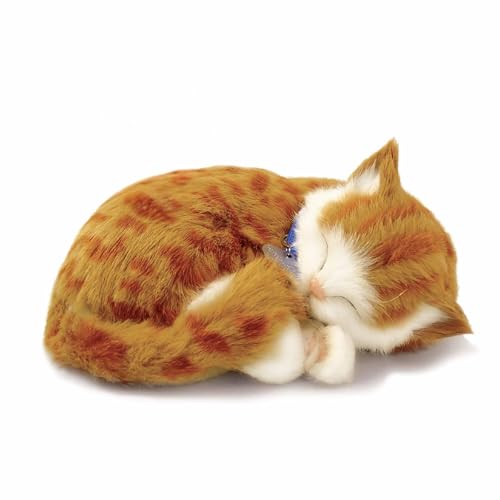
The Perfect Petzzz Orange Tabby Cat offers a realistic “breathing” effect through handcrafted synthetic fur, providing a tactile and visual sense of a real pet without the responsibilities. Its 10-inch length makes it compact enough for shared spaces, and the low-maintenance design is suitable for seniors who require simple care routines. This option emphasizes a pet-like presence to support mood stabilization and gentle companionship in daily activities.
Buying Guide
Key purchase considerations for dementia-friendly cat companions include:
- Safety and ease of use: Select devices with simple on/off controls, minimal cords, and note-free operation to avoid confusion.
- Tactile comfort: Look for soft, realistic fur textures and weighted bodies for a comforting, familiar feel.
- Interaction style: Choose models with responsive cues (purring, gentle movements) that encourage reminiscence and social engagement.
- Maintenance needs: Prioritize products with durable materials and straightforward cleaning requirements to support daily routines.
- Care setting suitability: Consider space constraints, noise levels, and whether the device is appropriate for the patient’s cognitive stage and caregiver workflow.
- Durability and warranty: Durable builds and reliable support are important for long-term use in care environments.
- Variations and preferences: Some patients respond better to color patterns (orange tabby, tuxedo, silver with mitts). Providing choices can improve acceptance.
When comparing options, balance the realism of motion and scent-free purring with the patient’s comfort and caregiver practicality. Animatronic models offer interactive cues, while plush options provide simpler, soothing tactile experiences. For dementia care, consider starting with a single trial item to gauge responsiveness before expanding to additional companions.