Choosing the right sand for a sandbox or sensory play table is essential for safety and fun. This guide reviews kid-safe sands that are well-suited for indoor and outdoor use, highlighting texture, cleanliness, and versatility. Below you’ll find five top picks with practical applications for home, classrooms, and therapy settings.
Summary of selected products
| Product | Brand | Key Benefit | Amazon Link |
|---|---|---|---|
| Sandpiper Multiuse Play Sand – 50 Lbs | Sandpiper | High-volume, thoroughly cleaned silica sand for versatile use | Link |
| Quikrete Sandbox Play Sand – 50 Lbs | Quikrete | Washed, dried, and screened for safety and texture | Link |
| Classic Sand & Play Sand – 20 Lbs | CLASSIC SAND & PLAY | Premium, non-toxic play sand ideal for therapy and crafts | Link |
| Kinetic Sand – 5.5 Lbs | Kinetic Sand | Natural brown, sticky-free sand perfect for molds and sensory play | Link |
| Palmetto Soft Play Sand – 50 Lbs (3 Pack) | Palmetto | Low-dust, creme-colored sand great for large groups and classrooms | Link |
Sandpiper Multiuse Play Sand – 50 Lbs
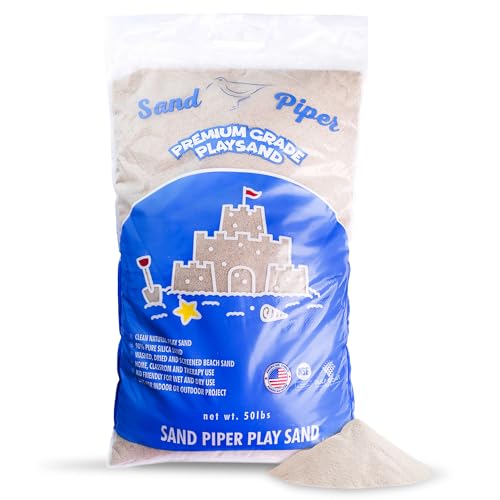
Product overview: Sandpiper’s 50-pound bag provides clean, 100% natural material designed for safe play. The sand is thoroughly washed, making it suitable for delicate hands and imaginative play. It is versatile for outdoor sandboxes and indoor sensory tables, as well as classroom art projects. A purity level of 99% silica ensures consistently sized grains for stable molding and durable sandcastles. This product supports both creative and educational activities, from building beaches to sensory exploration.
Key features: Clean, natural material; thoroughly washed; suitable for both indoor and outdoor use; soft texture due to high silica purity; consistently sized grains promote easier building and shaping.
Quikrete Sandbox Play Sand – 50 Lbs

Product overview: Quikrete offers premium, washed, dried, and screened play sand designed to deliver an optimal texture for sandbox use. The thorough cleaning process removes debris, ensuring a clean play environment for children. The sand’s texture is suitable for molding and building activities while remaining gentle on hands. It is a reliable option for homes, schools, and therapy settings seeking consistent performance and safety.
Key features: Washed and screened for safety; dried to reduce moisture-related clumping; ideal for molding and creative play; emphasis on clean play spaces.
Classic Sand & Play Sand – 20 Lb
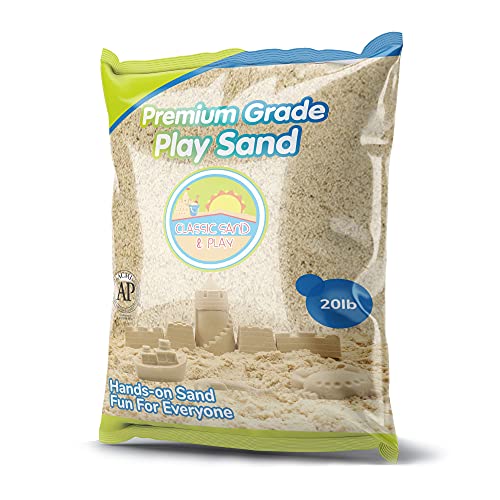
Product overview: Classic Sand & Play offers premium-grade play sand that is soft, easy to mold when wet, and thoroughly washed and dried to ensure safety and non-toxicity. The sand supports indoor and outdoor play, fostering hand-eye coordination and imaginative construction. It is a preferred option for therapists and educators due to its consistent texture and versatility for crafts and sensory activities.
Key features: Non-toxic and safe; premium texture for molding; suitable for sandboxes, sand tables, and therapy activities; bright color options and tactile feel enhance creative play.
Kinetic Sand – 5.5 Lbs (Natural Brown)
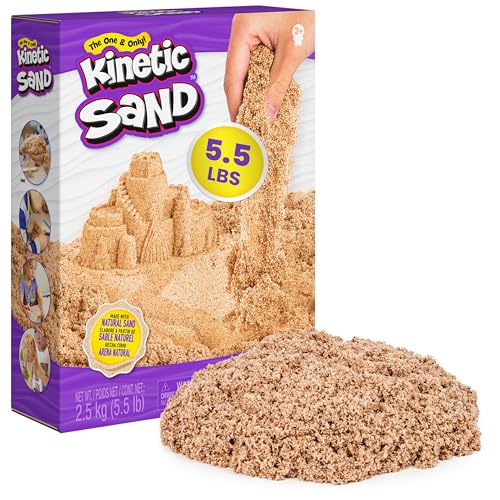
Product overview: Kinetic Sand’s natural brown composition offers a unique, easy-to-handle experience. The sand sticks together for molding and cutting, reducing mess and enabling precise sculpting. It is packaged as an Amazon Exclusive, with potential packaging variations. Designed for kids ages 3 and up, it supports sensory play and arts and crafts, making it a popular choice for classrooms and home play zones alike.
Key features: Safe, natural sand; sticks together for easy shaping; low-mess and easy cleanup; suited for sensory bins, crafts, and sandbox play.
Palmetto Soft Play Sand – 50 Lbs (3 Pack)
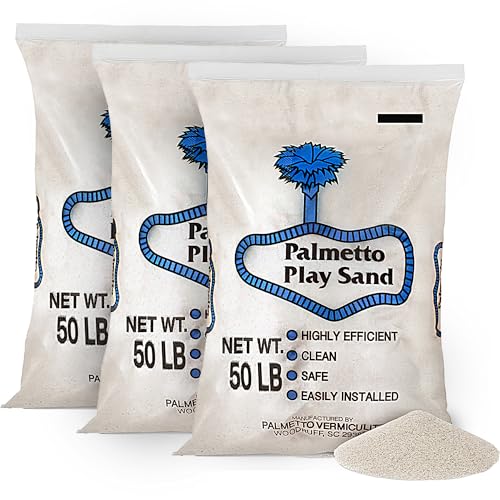
Product overview: Palmetto offers a 3-pack totaling 50 pounds of creme-colored soft play sand. It is described as low-dust and safe for sensory playtime, ideal for sandboxes and play areas. The sand is designed to minimize irritants, making it suitable for sensitive children and busy classrooms alike. Its soft texture supports a range of activities from digging to pouring and sorting.
Key features: Low-dust composition; creme color that hides minor staining; safe and soft for hands-on exploration; supports large group activities and classroom use.
Buying Guide: Sand Selection For Sandbox And Sensory Play
- Safety and materials: Look for 100% natural, non-toxic sand with thorough washing or screening. Silica content is a factor; higher purity often means finer, more uniform grains that mold well but can be dusty if not properly cleaned.
- Texture and grain size: For younger children, finer grains are gentler on hands and provide smooth molding. Coarser grains can be better for building structures but may be less comfortable for sensitive users.
- Dust and cleanliness: Low-dust or dust-reduced options help maintain indoor air quality, especially in small spaces. Debris-free and bacteria-free processing adds an extra layer of safety.
- Indoor vs outdoor use: Indoor play requires clean, low-dust sand that won’t stain surfaces easily. Outdoor sand often tolerates higher volumes and may pair well with shaded, dry areas.
- Pack size and scalability: For larger families or classrooms, consider big bags or multi-pack options. For therapy and crafts, smaller bags can be combined across activities without waste.
- Therapy and developmental considerations: Sand that holds its shape well supports fine motor skills and hand-eye coordination. Sand with uniform grain size offers predictable building results, which can be beneficial in therapeutic exercises.
- Maintenance and cleanup: Some sands stick together when molded (like kinetic sand), which reduces cleanup time. Others require a broom or mat to capture stray grains; plan storage and containment accordingly.
- Allergies and sensitivities: If a child has sensitive skin or respiratory concerns, choose sands marketed as low-dust or hypoallergenic. Avoid sands with added dyes if color exposure is a concern.
- Cost and value: Compare price per pound and consider the long-term use—larger bags can be more economical for frequent use, while smaller bags are convenient for rotating between activities.
In selecting sand for sandbox and sensory play, balance safety, texture, and practicality. The options above provide a range of textures, cleaning levels, and use cases to support constructive play, learning, and development in homes, classrooms, and therapy settings.