Finding the right beginner-friendly jazz piano books for kids can spark a lifelong love of music. This guide highlights approachable options that blend essential technique with engaging tunes, designed for young learners. Each pick focuses on early-level fundamentals, rhythm, and expressive playing while keeping learning enjoyable. Below you’ll find five carefully chosen items, plus practical buying considerations to help caregivers and educators compare options.
| Product | Brand | Key Benefit |
|---|---|---|
| PlayTime Piano: Jazz and Blues – Level 1 | Faber Piano Adventures | Beginner-friendly jazz and blues arrangements for early learners |
| Jazz Piano for Kids: Beginner’s Guide | Hal Leonard | Step-by-step instruction with online video tutorials |
| ShowTime Piano: Jazz & Blues – Level 2A | Faber Piano Adventures | Progressive level with fun rhythm practice |
| The Best Jazz Piano Solos Ever | Hal Leonard | Iconic standards for developing sight-reading and solo skills |
| Jazz Songs for Kids: Easy Piano Songbook | Hal Leonard | Short tunes with lyrics for early learners |
PlayTime Piano: Jazz and Blues — Level 1

This beginner book from Faber Piano Adventures introduces young pianists to jazz and blues language through accessible arrangements. It focuses on early reading skills, simple rhythms, and a friendly approach to improvisation. The Level 1 material encourages consistent practice without overwhelming new learners, making it a practical first step for kids curious about jazz piano.
Jazz Piano for Kids: Beginner’s Guide

Hal Leonard’s Jazz Piano for Kids provides a structured introduction with step-by-step guidance and online video tutorials. It emphasizes the basics of jazz harmony, rhythm, and phrasing, helping young players develop a solid foundation. The integration of video content supports different learning styles and keeps motivation high as students progress.
ShowTime Piano: Jazz & Blues — Level 2A
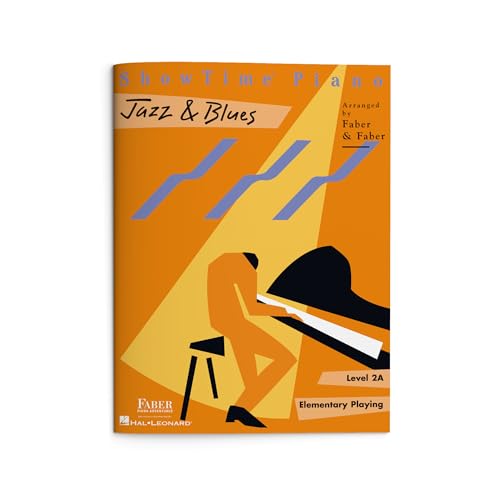
ShowTime Piano Level 2A advances through more intricate rhythms and blues progressions, continuing the kid-friendly approach from previous levels. This book blends easy-to-read notation with engaging exercises designed to reinforce timing and groove. It’s suitable for students ready to build fluency in swing feels and chord progressions while maintaining a playful learning atmosphere.
The Best Jazz Piano Solos Ever

Designed for more experienced players, this Hal Leonard collection gathers iconic jazz standards in piano solo format. While aimed at intermediate to advanced pianists, it serves as a reference point for older kids or advanced learners to study phrasing, harmonic structure, and improvisation concepts using familiar melodies. It complements beginner materials by providing aspirational repertoire.
Jazz Songs for Kids: Easy Piano Songbook

This Hal Leonard collection focuses on easy piano songs with lyrics, ideal for early players who want sing-along pieces. The book emphasizes approachable melodies and straightforward accompaniments, helping kids gain confidence in both left-hand patterns and right-hand melody work. It pairs well with rhythm exercises and teacher-led guidance.
Buying Guide: Key Purchase Considerations
- Learning Level: Match the book to the child’s current ability—Level 1 materials suit beginners, while Level 2A and solo collections target progressing players.
- Rhythm and Grooving: Look for titles that emphasize swing feel and jazzy rhythms, not just melodies. Effective practice tends to include countable rhythm exercises and clapping frameworks.
- Supplemental Resources: Books with online videos or companion audio tracks can support visual and auditory learners, helping kids internalize tempo and phrasing.
- Song Selection: Choose a mix of familiar tunes and developing repertoire to maintain engagement. Lyrics-friendly options are helpful for younger students who enjoy sing-alongs.
- Progression Path: Consider how the series sequences levels. A clear progression from Level 1 to Level 2A or beyond helps sustain motivation and skill growth.
- Instructional Balance: The most effective options blend technique (scales, chords, left-hand patterns) with musical expression, so practice remains meaningful rather than repetitive.
- Durability and Format: For kids, durable pages or spiral-bound formats can withstand repeated use. Large notation and clear layouts improve readability.
- Teacher or Parent Involvement: Some books integrate practice routines and teacher tips. If guiding a learner at home, choose material that’s easy to facilitate without extra resources.
- Affordability and Availability: A range of options from beginner to intermediate ensures you can scale as skills grow without needing a full switch of series.