Kids’ fascination with robots can spark curiosity in science, technology, engineering, art, and math. The following interactivity-focused robots blend education with entertaining features, encouraging drawing, storytelling, coding basics, and creative play. Each option is suitable for ages around 3–10 and offers engaging activities that support problem solving, motor skills, and imaginative exploration.
| Product | Age Range | Key Benefit |
|---|---|---|
| Dan&Darci Scribbly | 5–7 years | Voice-guided drawing coach makes art approachable |
| Ruko 1088 | 4–9 years | Programmable, 15.8-inch tall learning companion |
| Miko 3 | 5–10 years | AI-powered storytelling and STEAM lessons |
| Elenco Zivko | 10+ years | Hands-on AI-enabled robot building |
| KingsDragon RC Robot | 3–8 years | Gesture and remote control fun with programming |
Dan&Darci Scribbly The Drawing Robot
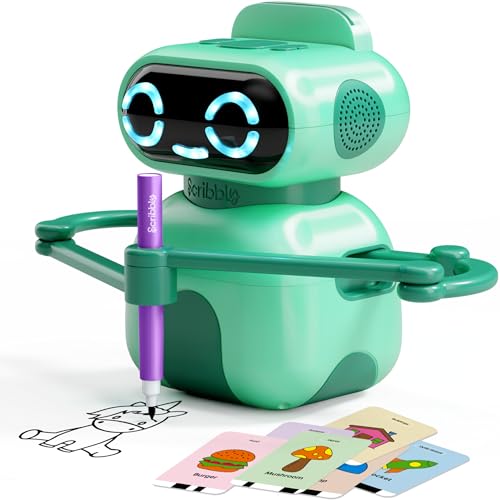
Dan&Darci Scribbly is an interactive drawing robot designed to guide kids step-by-step through art projects. It speaks to the learner, providing clear instructions that help children translate complex images into simple strokes. The design emphasizes incremental learning, with stages that let young artists build confidence as their drawings come to life under Scribbly’s voice-guided coaching.
Key features include step-by-step drawing prompts and a voice-guided approach that keeps kids engaged without needing extra screens. The product aims to strike a balance between independent practice and guided discovery, fostering motor coordination and creative expression through a structured, kid-friendly process.
Ruko 1088 Smart Robot

Ruko 1088 stands out as a large programmable interactive robot with voice and app control. Standing up to 15.8 inches tall, it offers diverse activities such as gymnastic routines, storytelling, dancing, music, and recording. This combination helps children explore basic programming concepts while developing spatial awareness, sequencing, and creativity. The robot’s expressive features and multiple play modes provide a dynamic learning companion for curious minds.
With real-time responsiveness and kid-friendly interactions, Ruko 1088 supports imaginative play and critical thinking. Its design encourages experimentation with cause-and-effect, as children craft sequences and choreograph movements to suit different stories or songs.
Miko 3 AI Robot
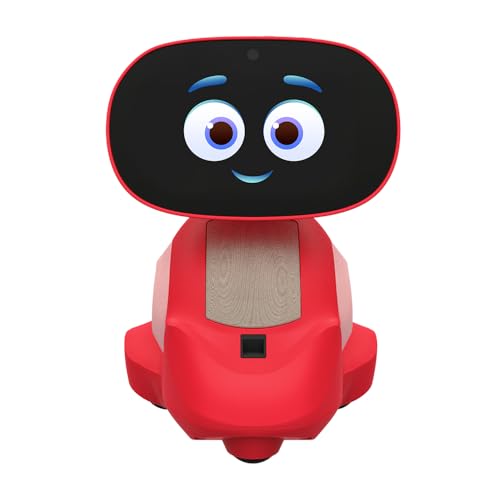
Miko 3 is an AI-powered educational companion designed for ages 5–10. Its built-in touchscreen supports a broad range of STEAM activities, including storytelling, games, and apps that adapt to a child’s interests. The robot creates personalized content by learning a child’s preferences over time, turning routine play into tailored learning experiences, and fostering curiosity through interactive conversations and challenges.
The Story Maker feature lets kids co-create stories that can be saved as digital memory books for future sharing. Miko 3 emphasizes safe, age-appropriate interactions and aims to blend screen time with hands-on engagement, supporting language development, memory, and logical thinking in a friendly, kid-oriented format.
Elenco Teach Tech “Zivko The Robot”

Elenco’s Zivko The Robot is a hands-on AI-enabled kit designed for learners aged 10 and up. The project-based approach guides children through building real, working robots, reinforcing mechanical engineering concepts and problem-solving skills. Two AI modes—Follow and Explore—introduce practical tech understanding, while obstacle navigation and interactive light and sound effects expand the scope of experimentation and playful exploration.
This kit emphasizes iterative design, testing, and refinement, which helps tweens grasp essential STEM ideas. It’s suited for classrooms or home learning where kids enjoy constructing, coding, and observing how changes affect robot behavior in real-time.
KingsDragon RC Robot

KingsDragon’s gesture-and-sensing robot merges remote control with motion-based commands. It recognizes hand movements to steer, turn, and perform actions, while also offering programmed sequences and obstacle-avoidance features. With multi-action capability, eyes that light up, and a sturdy build, this toy provides dynamic play that blends physical interaction with simple programming concepts. The emphasis on repeating and sequencing actions supports memory, planning, and logical thinking in a kid-friendly format.
As a versatile option, KingsDragon appeals to younger children who enjoy direct, tangible control and expressive performance—especially when they want to choreograph movements to music or storytelling.
Buying Guide
Key purchase considerations help families choose the best robot for a child’s interests and developmental stage:
- Age appropriateness: Match features to the child’s cognitive and motor skills. Younger kids benefit from guided drawing and storytelling robots, while older children may enjoy building, programming, and AI-enabled interactions.
- Learning focus: Decide whether to prioritize creativity (art, storytelling), coding basics, or STEM construction (robot assembly, AI concepts).
- Interaction style: Some kids prefer voice prompts and guided activities; others enjoy gesture control or app-based programming. A mix of modes can sustain long-term engagement.
- Durability and safety: Look for sturdy plastics, non-toxic materials, and age-appropriate small parts. Check for certifications and safety warnings.
- Expansion potential: Consider future learning paths, such as additional accessories, programmable features, or compatible apps that extend play value.
- Support and updates: Some robots offer firmware updates, new activities, or online resources. Availability of customer support matters for troubleshooting and learning progression.
- Cost of ownership: Factor in longevity, replacement parts, and any required accessories or subscriptions that may affect total cost over time.
Overall, these options provide a spectrum of interactive experiences—from guided drawing to large programmable companions and AI storytelling. Selecting the right fit depends on the child’s interests, whether they lean toward art, problem solving, or interactive play, as well as how educators or parents want to integrate the toy into a broader learning routine.