Exploring the human body can be both educational and entertaining for early learners. The following hand-picked toys use anatomy models, interactive features, and tactile learning to help five-year-olds discover organs, bones, and how the body works. This guide highlights five highly engaging options that balance play with science fundamentals, making complex ideas accessible and fun for young children.
| Product | Brand | Age Range | Key Learning Focus |
|---|---|---|---|
| National Geographic Human Body Model for Kids That Glows in The Dark | Blue Marble | 8+ years | Organs, bones, muscles; glow-in-the-dark bones |
| Be Amazing! Toys Interactive Human Body | Be Amazing! Toys | 8+ years | Fully poseable anatomy with bones, muscles, and organs |
| Melissa & Doug Magnetic Human Body Anatomy Play Set | Melissa & Doug | 5+ years | Magnetic organs and systems; wooden stand |
| BEST LEARNING i-Poster My Body | BEST LEARNING | 5-12 years | Interactive sounds, quizzes, body part discovery |
| NUHICO This is Me! Extra Large Felt Anatomy Set | NUHICO | 3+ years | Large felt organs and bones; Velcro attachment |
Each selection emphasizes hands-on discovery and age-appropriate explanations to help five-year-olds grasp basic human anatomy without overwhelming detail. Below are five detailed product sections with direct links to purchase and visual references to support learning at home or in a classroom setting.
National Geographic Glow-In-The-Dark Human Body Model
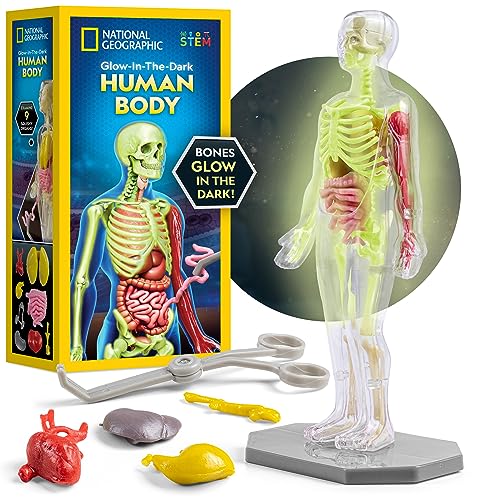
The 32-piece kit features a 9″ tall shell that houses removable organs, glow-in-the-dark bones, and arm muscles. Children can remove and examine nine organs and 18 bones with the included forceps, providing a tangible understanding of how internal systems connect. A display stand and organization chart help with orderly study and memorization. The detailed Learning Guide adds factual context suitable for young learners beginning to explore anatomy.
Freebear Montessori Busy Book: Human Body Anatomy
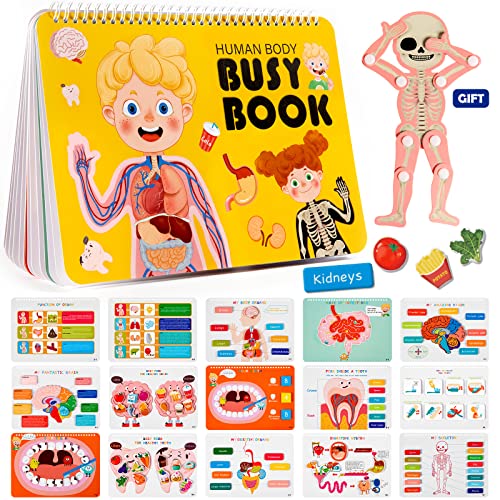
This toddler-friendly busy book blends storytelling with basic body knowledge across 15 pages and five themes. It includes a skeleton toy to play alongside the pages, fostering cognitive linking between visuals and bodily concepts. Designed to support homeschool learning, communication development, and exploratory play, it’s a gentle entry point into body science for younger children.
Be Amazing! Toys Interactive Human Body
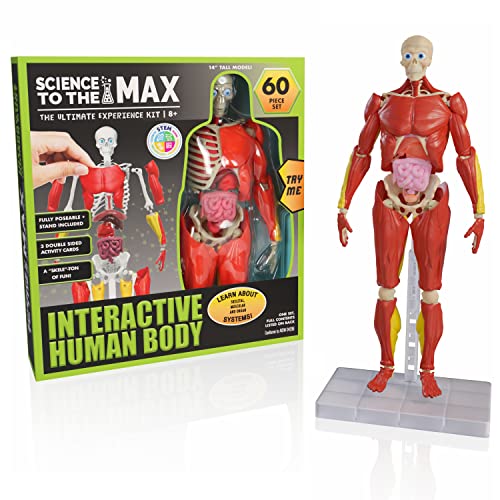
This 14″ tall, fully poseable figure comes with 60 pieces, including bones, muscles, and organs, plus a stand for endless poseability. The model mirrors real human anatomy as closely as possible, enabling motion demonstrations of joints and muscle groups. It provides a tactile, visual approach to anatomy that aligns well with STEM education goals for curious five-year-olds, while also offering durable, reusable play.
Melissa & Doug Magnetic Human Body Anatomy Play Set

This wooden, magnetic play set includes a figure and 24 magnets representing organs and body parts. The magnets fit on a wooden stand, making it easy to visualize how organ systems fit together within the body. An accompanying guide on the package helps young learners identify organs and body parts, supporting interactive storytelling and guided discovery.
NUHICO This Is Me! Extra Large Felt Anatomy Set

This 35.4-inch tall felt anatomy set offers 30 detachable organs and bones with Velcro attachments for easy manipulation. The large format provides clear visibility for group learning and demonstrations, making it a standout option for classrooms and home study alike. CPSIA and CE certifications help ensure safe, durable materials for younger learners.
Buying Guide
- Age appropriateness: For five-year-olds, look for simplified anatomy concepts, durable materials, and hands-on features. Some kits target older kids but still support early learning with guided activities.
- Learning style alignment: Choose toys that match a child’s preferred learning style—puzzle-like assembly, magnetic pieces, glow-in-the-dark visuals, or felt cutouts for tactile exploration.
- Material and safety: Prioritize non-toxic materials, rounded corners, and sturdy construction. For younger children, avoid small parts that could be a choking hazard and look for safety certifications when available.
- Progression and scope: If you want a system that scales with a child’s growing curiosity, consider products that gradually add complexity: basic body parts first, then internal organs and systems.
- Teacher and caregiver resources: Some products include guiding materials, charts, or lesson ideas that help adults structure learning sessions and measure progress.
- Storage and organization: Kits with trays, stands, or storage pouches help keep pieces organized and reduce loss during play.
- Engagement factors: Interactive sound features, glow-in-the-dark bones, or magnetic pieces can boost engagement and encourage repeated exploration.
- Durability and value: Reusable sets that withstand frequent handling offer better long-term value for parents, teachers, and classrooms alike.
For parents and educators, balancing play with foundational science delivers practical, memorable learning. The selected toys provide a mix of visual, tactile, and interactive experiences to reinforce basic anatomy concepts in an age-appropriate way. When selecting, consider the child’s interest level, the desired level of complexity, and how the toy can fit into ongoing lessons or at-home activities.