Discover top hide-and-seek toys designed for toddlers, blending learning with active play. The following selections emphasize engaging sound, movement, and simple rules that suit little explorers. Each option promotes fine motor skills, social interaction, and imaginative storytelling, while remaining safe and age-appropriate for wide toddler audiences.
| Product | Brand | Key Benefit |
|---|---|---|
| Silly Poopy’s Hide & Seek | WHAT DO YOU MEME? | Interactive, light-up clues and sing-along fun |
| Bluey Game Hide and Seek Electronic Figure | Bluey | Active play with timer-driven rounds |
| Bluey Game Hide and Seek Figure | Bluey | Articulated figure for dynamic poses |
| Joyreal Hide and Seek Busy Bag | Joyreal | Three-pack sensory and problem-solving fun |
| Melissa & Doug Hide and Seek Farm | Melissa & Doug | Wooden magnets and opening doors for memory play |
These selections emphasize safe materials, easy setup, and engaging versatility for toddlers. Each product offers opportunities for shared play, classroom use, or solitary discovery, aligning with common toddler development milestones.
Silly Poopy’s Hide & Seek
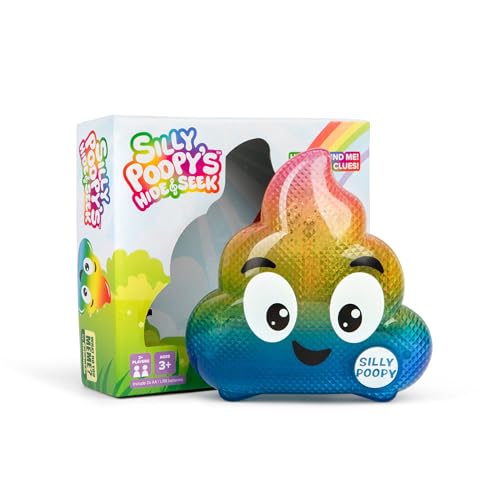
What It Is: Silly Poopy’s Hide & Seek by WHAT DO YOU MEME? is a light-up, singing hide-and-seek toy designed for toddlers. It features playful clues and a catchy chorus—“Yippee yoopee! You found Silly Poopy!”—that encourages active participation and basic turn-taking. The toy is bright, musical, and aimed at ages 2-4, making it a popular choice for small-group play or family activities.
How It Helps Development: This toy supports auditory processing, gross motor movement, and early social skills as kids search, sing, and dance. The bright colors and interactive clues foster attention and memory as children learn to anticipate cues and respond to prompts. It also serves as a festive option for holiday or birthday activities.
Included: The set includes 1 Silly Poopy hide-and-seek figure, 2 AA batteries, and simple instructions. Suitable as a playful learning tool in preschools or at home, it’s a strong option for toddlers exploring cause-and-effect relationships and rhythm.
Bluey Game Hide and Seek Electronic Figure

What It Is: A Bluey-themed hide-and-seek toy featuring an electronic figure with a built-in timer and sing-along sounds. The figure is designed to promote active movement and listening during playtime, making it ideal for group activities and interactive storytelling.
How It Helps Development: The timer-based round encourages kids to follow instructions, pace themselves, and practice turn-taking. The talking and giggling sounds add an audio cue layer that supports language development and auditory discrimination, while the 6-inch articulated figure allows varied poses for imaginative play.
Bluey Game Hide and Seek Figure

What It Is: This is another Bluey hide-and-seek option featuring an articulated, musical toddler figurine. It emphasizes active play and interactive movement, with a design tailored to small hands and easy manipulation.
How It Helps Development: The movable arms and legs foster fine motor skills and creative play scenarios. The built-in musical cues and timer promote listening, sequencing, and memory recall as children recreate hide-and-seek rounds and act out stories with the Bluey character.
Bluey Game Hide and Seek Electronic Bingo Figure

What It Is: A variant of the Bluey hide-and-seek line with an electronic Bingo-style figure. The toy uses a built-in timer and talking sounds to guide kids through a round of hide and seek with positive feedback.
How It Helps Development: This format reinforces auditory processing and attention during play, while the 6-inch figure size remains comfortable for toddlers. The Bingo-style framing adds a light cognitive challenge, encouraging memory, anticipation, and social interaction during shared play.
Silly Poopy & Friends Hide & Seek Ghost

What It Is: This ghost-themed hide-and-seek toy adds a Halloween twist to the standard game. It lights up and sings, providing festive fun and a playful way to introduce seasonal activities for toddlers.
How It Helps Development: The interactive features support sensory engagement and rhythm recognition, while the spooky-friendly character encourages imaginative role-play. It works well for holiday arrangements, school activities, or family game nights during fall.
Silly Poopy & Friends Gingerbread Hide & Seek

What It Is: A gingerbread-themed hide-and-seek figure that lights up and plays music. Designed as a seasonal joy, it complements other toddler learning toys and can serve as a charming small gift.
How It Helps Development: It reinforces rhythm, following cues, and turn-taking within a festive context. The bright visuals and sound cues support early language development and social interaction during play sessions.
Joyreal Hide And Seek Busy Bag

What It Is: A 3-pack of seek-and-find busy bags, each featuring a character and 20 hidden objects. The bags incorporate prompts and varying shapes to heighten exploration and problem-solving.
How It Helps Development: Toddlers practice observation, memory, and fine motor skills as they search for hidden items. The included prompts motivate verbalization and task completion, while the soft fabric construction allows easy handling and travel-friendly play.
Melissa & Doug Hide and Seek Farm

What It Is: A wooden activity board featuring a barnyard magnet set and hinged doors that reveal removable animal magnets. The design blends tactile exploration with memory and sequencing, offering classic hide-and-seek play in a durable wooden format.
How It Helps Development: The hard-wearing wooden construction supports durable use, while the opening doors reinforce fine motor control and cause-and-effect thinking. Magnets encourage careful hand-eye coordination and spatial awareness as children match animals to their spots.
Buying Guide: Key Purchase Considerations
Safety and age appropriateness: Look for toys labeled for toddlers, with non-toxic paints, smooth edges, and no small detachable parts that could pose a choking risk. If possible, verify compliance with safety standards in your region.
Activity type and learning goals: Decide whether you want musical, light-up, or purely interactive play. Consider whether you prefer solitary play opportunities, or games designed for group interaction and social learning.
Durability and materials: For toddlers, high-contrast colors and soft, chew-safe components are appealing. Wooden or sturdy plastic constructions tend to last longer with rough handling.
Ease of use and setup: Simple rules and intuitive mechanisms help keep the activity engaging without frustration. Look for features like timed rounds, sing-alongs, or easy-to-pick-up components.
Storytelling and role-play potential: Toys that support character-based play (like Bluey or gingerbread ghosts) can stimulate imagination and language development, while also offering recurring play patterns that children revisit.
Portability and storage: Consider whether a toy is easy to transport for travel or classroom use. Busy bags or compact figure sets are convenient for on-the-go play.
Multiplayer suitability: If social interaction is a goal, prioritize toys that invite turn-taking, shared storytelling, and collaborative play scenarios. Some options support multiple children simultaneously or in rotating rounds.
Budget and value: While not listing prices here, compare long-term value—durability, replaceable batteries, and the frequency of use—to determine overall cost-effectiveness for the child.