For metal guitarists, the right strings make a difference in tone, playability, and durability. This guide highlights five popular options that balance shreddable top strings with firm, punchy bottoms, plus a few with renowned reliability. Read on to compare gauge, feel, and performance to help choose strings that sustain high-gain tones and aggressive rhythms.
| Product | Brand | Category | Key Benefit |
|---|---|---|---|
| Ernie Ball Skinny Top Heavy Bottom Slinky | Ernie Ball | Electric | Shred-friendly highs with thick lows |
| Ernie Ball Regular Slinky (10-46) | Ernie Ball | Electric | Balanced, versatile standard gauge |
| Ernie Ball Regular Slinky 3-pack | Ernie Ball | Electric | Convenience and consistent tone across sets |
| Jim Dunlop Heavy Core Electric 10-48 | Jim Dunlop | Electric | Heavy core for tight attack and robust low end |
| D’Addario Acoustic 80/20 Bronze EJ11 | D’Addario | Acoustic | Bright acoustic projection and traditional tone |
This selection focuses on electric strings for metal genres, highlighting sets designed for speed, sustain, and aggressive rhythm work, while including a traditional acoustic option for players who mix genres or seek a distinct acoustic tone in certain spaces.
Ernie Ball Skinny Top Heavy Bottom Slinky

Features include a skinny top for enhanced shredability on strings E, B, and G, paired with a heavier bottom set on D, A, and E for thicker chords and rhythmic precision. Element Shield Packaging helps prolong string life and maintain freshness from the factory to performance. This combination is designed to support fast playing and high-gain tones common in metal genres, while preserving string stability during aggressive playing styles.
Ernie Ball Regular Slinky Nickel Wound Electric Guitars 10-46

These strings are widely considered an industry standard for electric guitars. The Regular Slinky set uses a 10-46 gauge, delivering a balanced feel that suits versatile metal styles, from fast alternate-picking to heavy rhythm sections. The packaging incorporates protective elements to maximize string life, helping maintain tone and intonation over multiple sessions and setups.
Ernie Ball Regular Slinky 3-Pack

A 3-pack option provides extended value and consistency for players who frequently replace strings between gigs or practice sessions. The Regular Slinky configuration remains a favorite for many metal players due to its flexible yet sturdy feel, delivering reliable bite on clean tones and sustain on overdriven or high-gain tones. The packaging helps ensure freshness across sets.
Jim Dunlop Heavy Core Electric 10-48

The Heavy Core design emphasizes a more robust core for stronger low-end and defined attack, making it well-suited for drop tunings or tunings-down scenarios common in metal genres. Quick attack and solid sustain help maintain clarity when using high-gain amps and aggressive picking techniques. These strings are built to stay consistent under heavy playing conditions and extended sessions.
D’Addario Acoustic Strings EJ11 (80/20 Bronze)
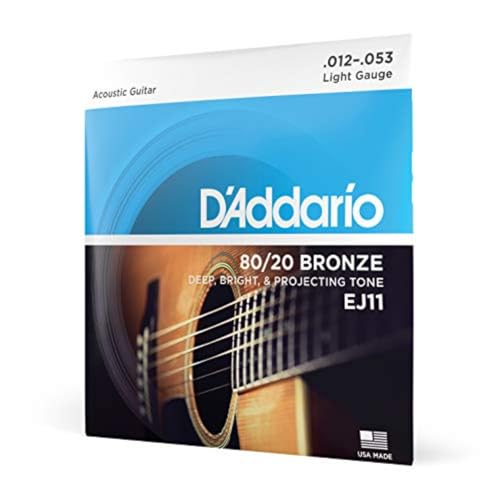
Although designed for acoustic guitars, the EJ11 80/20 bronze set is included here for players exploring a broader sonic palette or who need a brightness and projection typical of classic acoustic tone. The strings are precision-wound over a high-carbon steel core and known for bold, bright projection that fills rooms with acoustic presence. This option is best suited for non-electric contexts or hybrid setups.
Buying Guide
When choosing strings for metal playing, consider gauge, core design, and winding. Heavier bottom gauges promote stability and chunky rhythm tones, while lighter tops facilitate faster shredding. Core-to-wrap construction influences dynamic response and tension; a tighter core generally yields crisp attack, whereas a looser wrap can offer more warmth. Here are key purchase considerations:
- Gauge balance: Look for a “skinny top, heavy bottom” build for versatility in metal styles, blending speed with solid rhythm.
- Tension and stability: Heavier cores and properly balanced tensions help maintain tuning stability in aggressive playing and lower tunings.
- Coatings and packaging: Coated options last longer in sweaty setups; packaging quality can affect string freshness and longevity.
- Neck compatibility: Ensure gauge range matches your guitar’s scale length and nut clearance to prevent tuning instability or fret buzz.
- Playing style: Consider if you prefer a bright attack for chugging and palm-muted riffs or a thicker midrange for chunky chords and sustain.
From a practical standpoint, popular brands like Ernie Ball and Jim Dunlop offer reliable, widely available sets with proven performance in metal contexts. If you play drop tunings or low-B to C tunings, heavier-core or low-tension designs tend to hold up better under tension. Acoustic options may be useful for mixed-guitar setups or studio work where a brighter, projecting acoustic tone is desired for rhythm parts or clean sections.