The best guitars for five-year-olds blend kid-friendly design with safe materials, simple play patterns, and engaging features like lights, sounds, and adjustable straps. This guide highlights five top picks that fit young musicians’ hands and growing skills, helping children explore rhythm, tone, and creativity. Each option emphasizes safety, durability, and age-appropriate play, making it easier for parents to choose a gift that fosters early musical learning without frustration.
| Product | Brand | Age Range |
|---|---|---|
| YEZI Classical Ukulele for Kids | YEZI | 3-6+ years |
| M SANMERSEN Kids Electric Toy Guitar | M SANMERSEN | 3-5 years |
| Raimy Kids Guitar Ukulele | Raimy | 3-7+ years |
| Best Choice Kids Electric Guitar | Best Choice Products | 4-8 years |
| Jakeloo Kids Electric Toy Guitar | Jakeloo | 3-8 years |
Each product below offers a safe, age-appropriate introduction to music. Review the features to compare how they support developing rhythm, finger coordination, and musical curiosity. The sections also note how portability, durability, and interactive elements can influence a child’s sustained interest in making music.
YEZI Ukulele For Kids
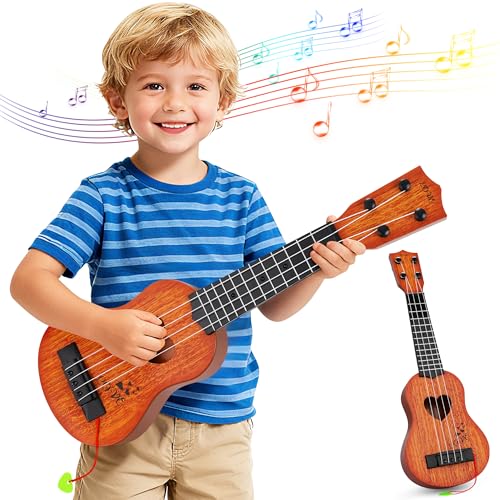
YEZI’s mini ukulele offers a gentle introduction to stringed instruments. Crafted from ABS plastic, it features four carbon nylon strings designed to be durable yet gentle on small fingers. The coating surface helps protect little hands during strumming, reducing the risk of scratches while teaching basic rhythm and strumming techniques. Its lightweight build makes it easy for young players to handle, and the compact size supports early note recognition and rhythmic patterns. This option is ideal for ages 3 to 6 and up, encouraging musical participation in everyday play.
M SANMERSEN Kids Electric Toy Guitar

This kid-friendly electric guitar includes 8 demo songs, 4 instrument tones, and 4 rhythms. It uses a no-string design to prevent pinching, which minimizes risk for young players. An interactive light show, with six color tubes and flashing lights, responds to touch and enhances hand-eye coordination. The toy’s durable ABS construction and safety-conscious design make it a practical choice for curious five-year-olds exploring rhythm, melody, and basic chord progressions in a safe, engaging way.
Raimy Kids Guitar Ukulele

The Raimy 21-inch kids guitar offers a size that fits younger players, supporting proper technique and comfort from the start. Built with durable, child-friendly materials, it emphasizes safety and longevity for frequent use. Despite its compact size, the instrument is designed to deliver a resonant tone that helps children feel like they are playing a real instrument, not merely a toy. This balance between play and pretend-to-play can boost confidence and sustained interest in learning basic strumming and rhythm patterns.
Best Choice Kids Electric Guitar

This 30-inch starter guitar mirrors the look and feel of a standard instrument while remaining appropriately scaled for children. Its all-wood build and shiny finish provide a realistic playing experience that can stimulate early technical interest. Included are resources and features aimed at helping beginners progress, including a user-friendly setup and a durable frame designed to withstand the learning journey of a five-year-old guitarist. This option supports progression toward full-sized guitars as comfort and skill grow.
Jakeloo Kids Electric Toy Guitar
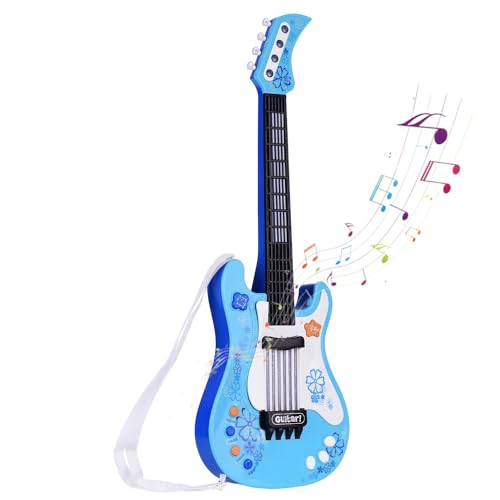
The Jakeloo electric toy guitar features a strap and interactive lighting, created for young players. Its no-string or simplified-string design reduces risks while providing a rock-star feel. Built with kid-friendly ABS material, it emphasizes safety and durability for repeat play. The combination of instrument sounds and responsive lights supports multisensory learning, encouraging children to explore rhythm, tempo, and basic melodies in a hands-on format that remains accessible to five-year-olds.
Buying Guide
Key purchase considerations for guitars and guitar-like instruments for five-year-olds include size and ergonomics, safety, materials, and age-appropriate features. A smaller, lighter instrument improves posture and technique while reducing fatigue. Look for non-toxic plastics or wood with rounded edges and comfortable grips. Strings or string-like mechanisms should be safe or absent to prevent pinching. Interactive elements such as lights, demo songs, and adjustable straps can sustain interest and motivate practice. Consider whether the instrument provides a clear introduction to rhythm, pitch, and basic chords or scales, and whether it can transition to standard-sized instruments as the child grows. Compare durability, cleaning ease, and any included learning resources or apps to support guided practice. Finally, assess your child’s interest level and choose a model that blends play with educational value for ongoing engagement.
To maximize learning, pair the chosen instrument with short, regular practice sessions, simple rhythm games, and exposure to a variety of musical styles. Encouraging a child to both imitate and create sounds can cultivate a lasting appreciation for music while building fine motor skills, auditory perception, and confidence in performing for family and friends.