FPV starter drones bring immersive flying experiences to newcomers with user-friendly controls, built-in safety features, and compact form factors. This guide highlights five beginner-friendly FPV kits that balance ease of use with potential for growth. Each entry includes key features, flight modes, and ready-to-fly capabilities to help you compare at a glance.
Summary of Selected Products
- APEX — APEX FPV Drone Kit with 5.8G transmission, VR goggles, beginner-friendly Altitude Mode, and Manual Mode for freestyle flying.
- CADDXFPV — Protos FPV Drone RTF Kit with Walksnail 6G VTX, 1080p/60fps HD video, and a compact 100g airframe ideal for beginners and pros alike.
- BETAFPV Cetus — Cetus FPV RTF Kit with LiteRadio 2 SE, VR02 goggles, and built-in protections for safe first flights.
- Tinyhawk Lite — FPV Drone Kit with goggles and Betaflight-ready configuration for growth beyond entry-level piloting.
- BETAFPV Cetus Lite — Lite FPV Drone Kit offering altitude hold and self-protection with simulator-ready capabilities for indoor and outdoor use.
APEX FPV Drone Kit With Goggles

Brand: APEX
Key features: Immersive VR flight experience with a wide 120° FPV view, manual flight capability with low-latency goggles, and a dedicated Altitude Mode for beginners. The kit emphasizes a smooth transition from beginner to manual modes, allowing pilots to practice in a controlled environment before advancing to freestyle flying. This kit is designed for users who want an all-in-one package including goggles and a ready-to-fly experience.
Overview: APEX targets newcomers who want a straightforward start with the option to grow into more advanced piloting. The inclusion of a raw manual mode supports instructors or hobbyists aiming to master precise control. The 5.8 GHz transmission helps minimize latency and maximize stability, which is critical for learning and routine practice. The Fold-and-fly ergonomics and protective features further support beginners as they learn to handle wind and maneuvering.
Considerations: If you want a single purchase that covers goggles and flight kit, APEX offers a balanced blend of ease-of-use and potential versatility. Users should be prepared to learn the differences between Altitude Mode and Manual Mode to maximize the learning curve.
CADDXFPV Protos FPV Drone RTF Kit

Brand: CADDXFPV
Key features: Ultra-light mini airframe at 1.6 inches and 100g, built-in Walksnail 6G VTX with 1080p/60fps HD video, and a 3-in-1 charging hub for three batteries. It supports three flight modes and emphasizes portability and fast charging. The small footprint makes it ideal for beginners who want to practice in limited spaces while still experiencing high-quality feed and a compact build.
Overview: The Protos FPV Drone is positioned as a premium beginner-to-pro ready platform. Its tiny form factor reduces crash risk and makes it easy to carry. The 2MP camera and expansive FOV deliver clear first-person footage, while the lightweight design reduces fatigue during long sessions. The included charging hub helps manage multiple flights more efficiently, minimizing downtime between sessions.
Considerations: Its superb portability comes with the trade-off of smaller propellers and potentially more delicate parts. Ensure you have a suitable flying area and remember that the drone’s precision benefits from regular calibration and careful handling in the early stages.
BETAFPV Cetus FPV RTF Drone Kit

Brand: BETAFPV
Key features: Cetus FPV Kit designed for beginners with a self-protection function and a LiteRadio 2 SE transmitter. VR02 FPV goggles deliver immersive first-person viewing, and the kit emphasizes safe flight with protective features and FPV simulator compatibility, helping new pilots practice without risking damage. The kit is suitable for both indoor and outdoor use, with easy binding and robust stability features.
Overview: Cetus sets a strong baseline for FPV newcomers by pairing a protective flight system with an intuitive transmitter and goggles. The included FPV simulator compatibility allows users to learn flight mechanics in a risk-free environment, then apply those skills to real flights. The integrated VTX and camera provide a straightforward first-person feed essential for learning proper throttle control and spatial awareness.
Considerations: Some users may prefer alternative protocols or newer goggles; ensure the kit aligns with your preferred receiver and protocol setup and confirm compatibility with any existing gear you own for smooth flying integration.
Tinyhawk Lite FPV Drone With Goggles
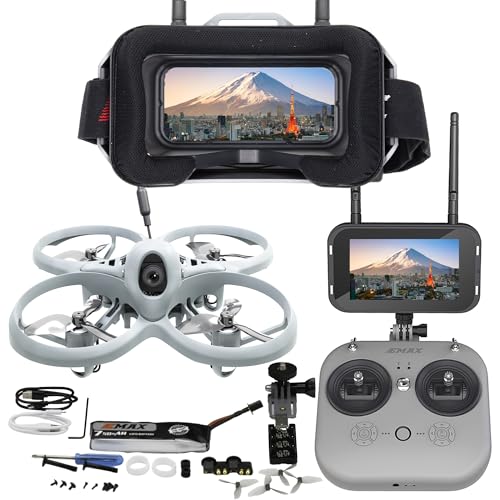
Brand: Tiny Hawk
Key features: Real FPV experience with minimal latency, Betaflight-based configuration for growth, and longer flight time via 1S HV 750mAh battery. The kit targets beginners who want a pathway to professional-grade tuning and performance without leaving the entry-level ecosystem. The included goggles and radio enable a complete training setup for learning the basics and then expanding flight capabilities as skills improve.
Overview: Tinyhawk Lite is designed to be a bridge between beginner-friendly flying and more advanced FPV piloting. The Betaflight configurability gives new pilots access to tuning options and flight characteristics that many entry-level drones do not offer. The balance of lightweight design, responsive control, and upgrade potential makes it a common recommendation for learners who want to grow with their gear.
Considerations: Be prepared to explore firmware adjustments and flight modes as you progress. This kit is ideal for people who intend to continue with FPV racing or freestyle flying beyond initial sessions.
BETAFPV Cetus Lite FPV Drone Kit

Brand: BETAFPV
Key features: Cetus Lite FPV Drone Kit designed for kids and beginners, includes altitude hold, self-protection, two speed modes, and simulator readiness. It uses the Frsky D8 protocol, with flexible mode switching to Frsky D8, Futaba S-FHSS, and Frsky LBT D16. The package emphasizes safe learning environments with friendly guardrails and crash resilience, ideal for indoor and outdoor practice.
Overview: Cetus Lite targets young flyers and newcomers who want a forgiving, easy-to-control experience. The altitude hold and self-protection features reduce the risk of crashes, helping new pilots gain confidence while learning to hover, maneuver, and land safely. The simulator compatibility ensures continuous practice away from real-world risks.
Buying Guide: Key Purchase Considerations And Comparisons
Purpose and skill level: For absolute beginners, kits with altitude hold, self-protection, and easy modes help build confidence. If you intend to advance to manual or freestyle piloting, choose a kit that offers intuitive flight modes plus optional upgrades or configurability (e.g., Betaflight support or a flexible transmitter).
Flight time and charging: Look for batteries that balance weight and duration. Some kits include multiple batteries or fast charging hubs to minimize downtime. Longer flight time means more practice per session, but heavier batteries can affect handling and stability for beginners.
Visual quality and latency: A clear HD feed and low-latency video transmission are essential for safe learning. Built-in VTX options, digital transmission choices, and goggles quality influence how easily a new pilot can judge throttle and distance.
Protection and durability: Beginner-grade drones benefit from self-protection features, guards, and robust frames to withstand crashes. A design that tolerates gentle bashing helps new pilots stay in the air longer while learning.
Simulator readiness: If a kit includes simulator compatibility, it allows landing practice without wasting flight time. This is a cost-effective way to practice stick inputs, throttle control, and maneuvering in a safe, controlled environment before real flights.
Ease of setup and ecosystem: Some kits are ready-to-fly (RTF) with all-in-one bundles, while others require more setup and potential component pairing. Consider your willingness to learn assembly, binding protocols, and firmware updates when selecting a kit.
Growth potential: A kit that can scale with your skills—through firmware updates, adjustable flight modes, and easier upgrades—helps justify the initial investment. If you’re aiming to race or perform complex maneuvers, choose gear that supports advanced tuning and longer-term expansion.