Finding effective emotion boards can support children with autism in recognizing, naming, and regulating their feelings. This article highlights five carefully chosen options that serve classrooms, therapy settings, and home use alike. Each product focuses on visual supports, calming strategies, and practical activities to foster emotional literacy and self-regulation in kids from preschool through early elementary years.
| Product | Brand | Key Benefit |
|---|---|---|
| CHEFAN Feelings Chart | CHEFAN | Integrated “I Feel” and “I Need” cards for classroom or home use |
| SPARK & WOW Calm Down Threading Boards | SPARK & WOW | Two sensory threading boards to aid focus and calming |
| Craftstory 86 Pcs Social Emotional Learning | Craftstory | Face boards with multiple emotion cards and expressive elements |
| ALSLEA Feelings Pocket Chart | ALSLEA | Compact pocket chart with 36 emotion cards for quick reference |
| KIKIGOAL Feelings Chart for Preschool | KIKIGOAL | Durable chart with ample customization options |
CHEFAN Feelings Chart for Classrooms

The CHEFAN Feelings Chart supports social-emotional learning with a complete set: a felt background board, an “I Feel” card, 19 feelings felt cards, an “I Need” card, and 19 activity cards. It is designed for preschool through elementary settings, enabling private emotion sharing and calming corner use. The materials emphasize durability and classroom-friendly visual supports to help children express needs without long words, supporting teachers in inclusive or special education environments.
SPARK & WOW Calm Down Threading Boards

SPARK & WOW offers two threading boards with eight lace pieces and threading pens, forming a tactile, calming activity for a dedicated calm-down corner. These boards support executive function and sensory processing by engaging kids in a repetitive, soothing task while reinforcing focus. They function well as part of a broader set of sensory tools, making them a practical choice for classrooms and therapy settings catering to children with ADHD or autism.
Craftstory 86 Pcs Social Emotional Learning Activities

Craftstory provides a comprehensive SEL kit with two face boards, nine emotion cards, and 75 facial-expression elements. This Montessori-inspired setup helps kids recognize feelings, discuss coping strategies, and expand vocabulary for emotional descriptions. The kit also includes a portable storage bag, which supports easy cleanup and use in various settings—home, classroom, or travel—making it a versatile choice for diverse learning environments.
ALSLEA Feelings Pocket Chart for Classroom

ALSLEA’s pocket chart includes 36 emotion cards organized for quick reference, plus 30 dry-erase cards and craft sticks. The durable nylon build with grommets is designed for ongoing classroom use or homeschool routines. The cards depict recognizable emotions to support accurate labeling, empathy development, and self-regulation through visual prompts and private sharing options in group settings.
KIKIGOAL Feelings Chart For Preschool

KIKIGOAL offers a durable feelings chart with a felt background board, “I Feel” and “I Need” cards, and 19 activity cards. Built with sturdy stitching and secure grommets, this option is suitable for daily use in preschool, kindergarten, and elementary classrooms. It supports private emotion sharing, calming corner routines, and collaboration between caregivers and educators to help children manage emotions more effectively.
Emotional Rollercoaster Board Game
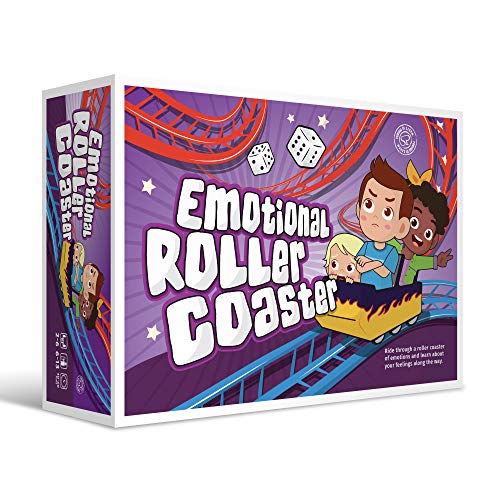
Note: This item was included among the top emotion-support tools for discussion of anger management and emotional coping in kids. The game uses mindfulness, breathing activities, and problem-solving prompts to help children recognize triggers and practice regulation strategies in a social setting. It complements other emotion boards by adding an expressive, interactive format for group or family use.
Buying Guide: How to Choose an Emotion Board for Autism
- Age and ability alignment: Select boards appropriate for your child’s developmental stage, vocabulary, and cognitive level. Look for labeled emotions with simple visuals for younger learners and more nuanced cards for older kids.
- Durability and materials: Consider fabric-backed boards, sturdy pockets, and wipe-clean surfaces for frequent use in classrooms or therapy rooms. Nylon and felt-based materials tend to withstand daily handling.
- Customization options: Systems with interchangeable cards or reusable dry-erase surfaces provide flexibility as a child’s needs evolve or as goals shift across the school year.
- Portability and storage: Look for compact, travel-friendly sets or those with included bags or cases to keep components organized and accessible.
- Multisensory engagement: Combine visual prompts with tactile elements (threading boards, fabric textures) to address sensory needs while promoting emotional literacy.
- Implementation setting: Decide whether you need a classroom-wide tool, a home-use resource, or a therapy-based kit. Some products are designed for private sharing, while others support group activities.
- Evidence-based approach: Favor tools that align with social-emotional learning frameworks and provide clear instructions or suggested activities for consistent use.
These selections collectively emphasize visual structure, emotional labeling, and coping practice. They offer a spectrum of formats—from pocket charts and face boards to hands-on sensory activities and board games—suitable for a variety of teaching styles and environments. When choosing, match the product features to the child’s needs, the learning goals, and the setting to optimize outcomes in emotion recognition and self-regulation.