Electric scooters offer a fun, efficient way for teens to travel locally, stay active, and build confidence on two wheels. This guide focuses on models well-suited for 13-year-olds, balancing speed, safety, weight capacity, and portability. Each option below includes key specs drawn from popular listings, helping parents compare features like motor power, braking systems, range, and design. All selections emphasize reliability, ease of use, and age-appropriate performance for middle-school riders.
| Product | Brand | Top Speed | Range | Weight Capacity | Notable Feature |
|---|---|---|---|---|---|
| VOLPAM Electric Scooter | VOLPAM | Up to 19 mph | Up to 28 miles | 264 lbs | Dual braking, foldable |
| Electric Scooter for Kids (WERHY) | WERHY | Up to 16 mph | Up to 12 miles | 220 lbs | APP control, cruise control |
| FanttikRide C9 Pro Kids | FanttikRide | Up to 10 mph | Up to 5 miles | 132 lbs | Adjustable heights, rainbow lights |
| WERHY Foldable Kids Scooter | WERHY | Up to 19 mph | Up to 16 miles | 265 lbs | Digital display, dual braking |
| MAXSHOT Electric Scooter (Kids & Teens) | MAXSHOT | Up to 22 mph | Up to 50 miles | Various tire options | App control, multiple speed modes |
VOLPAM Electric Scooter Overview

The VOLPAM model uses a 350W/500W motor for strong torque without excessive power use, offering speeds up to 19 mph and a high weight capacity. Its endurance ranges up to 28 miles depending on configuration, with dual braking for enhanced stopping reliability. A quick-fold mechanism allows easy trunk storage, making it practical for families that want to pack a scooter for weekend outings or school trips. This model emphasizes safety features and efficient energy use, aligning with teen commuting needs.
WERHY Electric Scooter For Kids

The WERHY kids scooter features a 350W motor and a top speed around 16 mph, with a 12-mile range on a full charge. It supports riders up to 220 lbs and includes a dual braking system for added safety. A bright LED setup includes lights to improve visibility, while the app-enabled controls offer additional ride customization and monitoring, appealing to parents seeking parental oversight and older-teens seeking extra features.
FanttikRide C9 Pro Kids Electric Scooter

The FanttikRide C9 Pro is tailored for younger riders with adjustable handlebars and a colorfully engaging design. It offers 5 miles of range and up to 10 mph, with safety features focused on new riders, including bright LED lights and a straightforward control scheme. This option emphasizes ease of use, adjustability, and visibility for growing riders, making it a good beginner choice for 13-year-olds who are new to electric scooters.
WERHY Foldable Kids Scooter
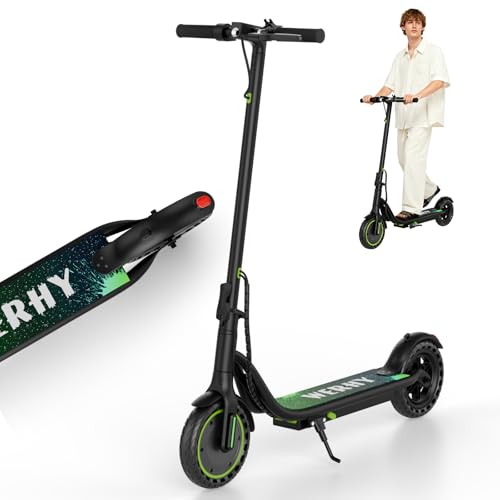
This foldable option emphasizes portability without sacrificing safety. A 350W motor drives speeds up to 19 mph with a maximum range around 16 miles. The dual braking system and a digital display aid riders in monitoring speed and battery life during longer neighborhood rides. Its sturdy frame supports heavier riders while maintaining a lightweight, foldable profile ideal for storage and transport.
MAXSHOT Electric Scooter For Teens

The MAXSHOT model offers a broad range of speeds and long-range options, including up to 22 mph and up to 50 miles in some configurations. It features app control and multiple speed modes to adapt to a growing rider’s skill. With dual suspension and robust tires, this option supports more varied terrain while prioritizing safety through controlled acceleration and reliable braking. It’s designed for teens who desire greater range and performance without skipping safety basics.
NAVIC Electric Scooter Overview

NAVIC emphasizes a balance of power and safety, with a 350W motor reaching up to 19 mph and a 16-mile range. It uses a double braking system and bright lighting for visibility. The solid 8.5-inch tires aid stability on uneven pavement, while the rider weight limit supports teens and adults, making it a flexible option for a growing rider who might share the scooter with family members.
Buying Guide: Key Purchase Considerations
- Age and skill alignment: Start with models that top out around 12–16 mph for younger teens and gradually consider higher speeds only if rider confidence, supervision, and local laws permit it.
- Safety systems: Look for a dual braking setup (disc or EABS with drum) and reliable lights for day and night visibility. A strong frame, good grip tires, and a stable deck reduce the risk of injuries.
- Range and charging: Choose a scooter with a practical range for daily trips (5–16 miles is common for teens). Fast-charging capabilities minimize downtime between rides.
- Weight capacity and portability: Ensure the max rider weight comfortably exceeds the teen’s current weight, plus some growth. Foldability and light weight help with transport to parks or school.
- Controls and features: App integration, cruise control, LED displays, and adjustable handlebars support growing riders and provide helpful ride data. Beginners should prioritize simple, intuitive controls.
- Durability vs. cost: Higher-quality components improve safety and longevity but may cost more upfront. Compare warranty terms and service options when evaluating long-term value.
- Local rules and helmet use: Check local regulations about scooter operation on sidewalks or streets and always pair riding with a certified helmet and protective gear.
Choosing the right electric scooter for a 13-year-old involves balancing speed, range, safety, and growth potential. The models highlighted above illustrate a range of designs—from beginner-friendly to more feature-rich options—so families can select a scooter that matches a teen’s riding experience, daily routine, and local riding environment. Always supervise initial rides, set clear rules, and gradually increase riding independence as skill and confidence develop.