Exploring early coding concepts doesn’t require screens. The right toys help toddlers grasp sequencing, logic, and problem solving through hands-on play. This article highlights five top, screen-free coding toys that align with common preschool learning goals, encourage perseverance, and support parent-childInteraction. Each product section includes a quick description, image, and key features to help you compare at a glance.
| Product | Brand | Focus |
|---|---|---|
| Code & Go Robot Mouse Activity Set | Learning Resources | Robotics, mazes, sequencing |
| Code & Go Robot Mouse | Learning Resources | Intro coding concepts, screen-free play |
| Coding Critters Bopper | Learning Resources | Character-based coding, interactive play |
| Talebot Pro Coding Robot | MatataStudio | Story-driven commands, storytelling |
| WhalesBot A1 | WhalesBot | Magnetic blocks, modular coding |
| Botley The Coding Robot 2.0 | Learning Resources | Expanded coding styles, out-of-box play |
Code & Go Robot Mouse Activity Set
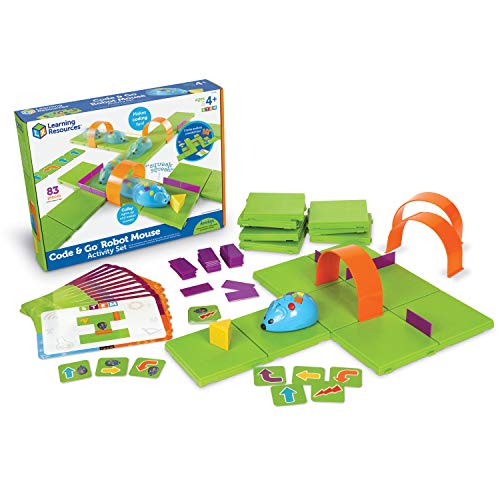
Learning Resources’ Code & Go Robot Mouse Activity Set provides a screen-free introduction to coding for ages 4-8. Children guide a programmable mouse through mazes by arranging cards and directing the robot with simple commands. The activity set emphasizes problem solving as kids plan routes, test ideas, and adjust sequences to reach targets. The toy supports multiple learning styles with visual cards, tactile control, and auditory feedback to engage young learners.
Code & Go Robot Mouse
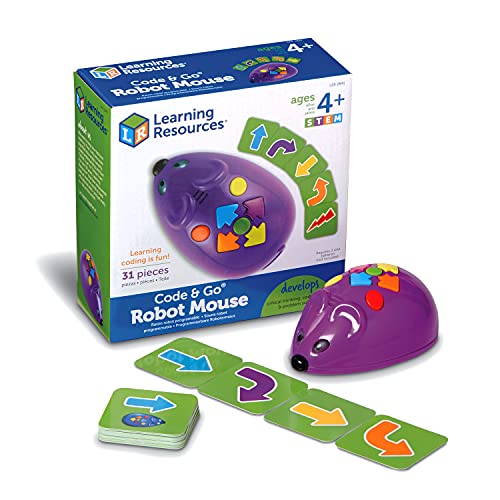
This companion offers a straightforward path into coding, designed for early readers and pre-readers. It introduces the basics of programming through hands-on play and exploration. With bright buttons, directional cards, and light-and-sound cues, it appeals to visual, tactile, and auditory learners. As kids plot routes to destinations, they build essential STEM skills—planning, sequencing, and logical thinking—without digital screens.
Coding Critters Bopper

Code along with Bopper and friends in a screen-free adventure that blends storytelling with hands-on problem solving. The 22-piece pet playset enables toddlers to design endless coding challenges, including simple sequences and basic loops. The accompanying storybook format introduces characters and scenarios that motivate exploration, while pets engage in activities like fetch and hide-and-seek to reinforce cause-and-effect thinking.
Talebot Pro Coding Robot

MatataStudio’s Talebot Pro is designed for ages 3-5 and emphasizes storytelling alongside coding. The interactive map and voice feedback deliver a guided, open-ended learning experience. Children press command buttons to move the robot, draw, sing, or record voices, with up to 256 commands available to introduce concepts like sequences and loops. The screen-free design supports language development and imaginative play while building foundational coding ideas.
WhalesBot A1 Coding Toy

WhalesBot A1 combines magnetic programming with modular blocks to create a hands-on, screen-free coding experience for ages 3-6. Toddlers assemble magnetic modules, then use simple guides to complete constructions and story-driven challenges. The three-guide-book approach helps kids follow narratives while learning core concepts such as problem solving, cause and effect, and basic robotics fundamentals.
Botley The Coding Robot 2.0 Activity Set

Botley 2.0 offers a modern take on screen-free coding with 78 pieces that expand play possibilities. Kids can code Botley to perform movement, detect colors, and interact with light-based cues. It introduces a variety of coding styles, including sequencing, loops, and simple logic without requiring screens or tablets. The set supports collaborative play and early engineering interest through hands-on problem solving and interactive tasks.
Buying Guide
Key purchase considerations for screen-free coding toys include age appropriateness, durability, and the types of coding concepts introduced. Look for products that balance guided activities with open-ended exploration to support creativity and independent thinking. Consider:
- Age Range and Safety: Ensure the toy is suitable for your child’s age and follows safety guidelines for small parts and magnets.
- Learning Pace: Some sets increase difficulty gradually; others start with simple actions and expand to more complex sequences.
- Multisensory Appeal: Toys with color, sound, and tactile elements support varied learning styles and keep toddlers engaged.
- Screen-Free Focus: Prioritize products that emphasize physical manipulation and storytelling to reinforce concepts without screens.
- Expansion Potential: Check if the product supports additional accessories or modules for ongoing development.
In choosing the best option, consider your child’s interests—storytelling, animals, vehicles, or puzzles—and how a toy’s activities align with early STEM goals like planning, sequencing, and problem solving. All five products above provide hands-on, screen-free pathways to introduce coding concepts while supporting imagination and language development. When used with guided parent interaction, these toys can become effective building blocks for future learning in computer science and engineering.