Finding engaging games for kids helps build teamwork, strategic thinking, and early math and reading skills. This guide highlights five popular, kid-friendly board games that span ages 3 and up, offering simple rules, quick playtimes, and plenty of family fun. Each title below includes a brief overview, key features, and what makes it a good pick for family game nights, rainy days, or classroom activities.
| Product | Brand | Key Features |
|---|---|---|
| Hasbro Candy Land Kingdom of Sweet Adventures | Hasbro Gaming | beginner-friendly, race to the castle, no reading required |
| Sorry! Board Game for Kids | Hasbro Gaming | classic gameplay, race to home, potential “sweet revenge” moves |
| Hungry Hungry Hippos | Hasbro Gaming | marble-chomping action, easy setup, quick rounds |
| Chutes and Ladders | Hasbro Gaming | classic up-and-down play, no reading required, preschool-friendly |
| Connect 4 Classic Grid | Connect 4 | 4-in-a-row strategy, two-player, modern visual style |
Candy Land Kingdom Of Sweet Adventures

The Candy Land Kingdom of Sweet Adventures board game is designed as a classic beginner option for children ages 3 and up. Players guide a gingerbread man along a candy-themed path, racing toward the castle. The game emphasizes color recognition and simple turn-taking, with no reading required. Its approachable rules and engaging visuals help younger players participate confidently in a family game session.
Sorry! Board Game for Kids
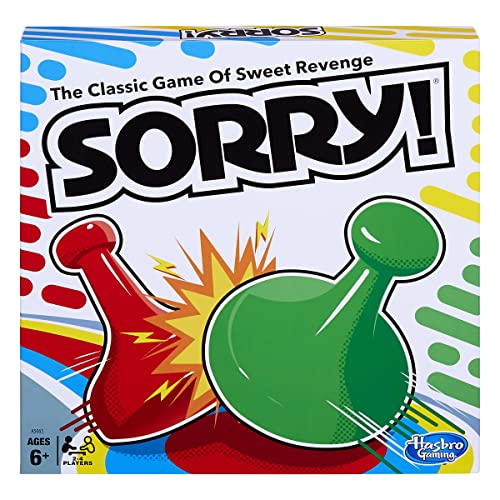
Sorry! offers a familiar race-to-home format with routes that add a dramatic twist. Players aim to move all pawns to the home space, while cards can send opponents backward, creating moments of “sweet revenge.” The game supports 2–4 players and encourages strategic decision-making as players navigate slides, collisions, and varying card draws to reach home first.
Hungry Hungry Hippos

This preschool-friendly edition brings back the universal “marble-chomping” excitement. With instant marble reload and quick setup, players choose a hippo and try to gobble the most marbles from the center pond. The reloading mechanism keeps rounds fast and action-packed, making it ideal for short attention spans and repeat play during family time.
Chutes and Ladders

Chutes and Ladders remains a timeless choice for early readers and non-readers alike. Players spin to move up ladders and slide down chutes, experiencing a straightforward progression toward the top. The game’s repetition helps young players practice counting and color identification while enjoying a playful, simple objective.
Connect 4 Classic Grid
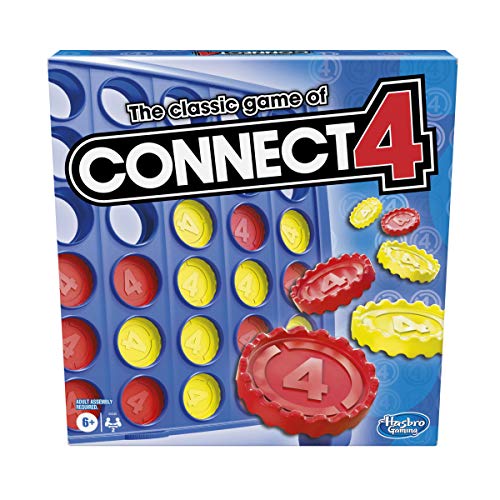
The Connect 4 Classic Grid emphasizes quick strategic play for two players. The objective is to connect four discs in a row while blocking an opponent’s attempts. The modern style and bright colors make it visually appealing to kids, and the two-player format fosters healthy competition and cooperative planning during family game nights.
Buying Guide
Choosing the right children’s board game depends on age, attention span, and group size. Key considerations include:
- Age appropriateness: Look for games labeled for ages 3+, 4+, or 6+. Simple rules help pre-readers participate.
- Number of players: Some games support 2 players, while others accommodate larger groups. Consider typical family or classroom sizes.
- Rule complexity: For younger kids, opt for games with minimal text and clear visual cues to reduce frustration.
- Learning value: Games that promote color recognition, counting, or basic strategy offer educational benefits beyond entertainment.
- Re-playability: Recyclable components, modular boards, or quick rounds keep kids engaged and reduce boredom.
- Durability and storage: Sturdy pieces and easy-to-store boxes are helpful for frequent use and travel.
When comparing options, consider how each game aligns with your goals—whether it’s introducing turn-taking and counting, practicing strategic thinking, or simply providing a social activity for family bonding. For classroom settings, look for games with short play times and robust dice-and-cards mechanics that maintain engagement while reinforcing basic skills.