The following guide highlights affordable overdrive pedals that deliver classic tube-like warmth without breaking the bank. Each product offers true bypass, multiple gain voices, and compact designs suitable for practice rooms or stage use. This article compares features across popular budget brands to help guitarists find their ideal drive color at a great value.
| Product | Brand | Key Feature | URL |
|---|---|---|---|
| RVONE Overdrive | RVONE | Tube-like response, multi-platform use | View |
| POGOLAB Overdrive Pedal | POGOLAB | Two tones: flat and bright | View |
| AZOR Vintage Overdrive | AZOR | TS808/TS9 emulation, true bypass | View |
| JOYO JF-01 Vintage Overdrive | JOYO | Classic TS808 tone, true bypass | View |
| FLAMMA FC07 Overdrive | FLAMMA | Two modes: Warm and Hot, true bypass | View |
Note: Links lead to Amazon product pages. This comparison provides a snapshot of each pedal’s strengths to aid in a quick, informed decision.
RVONE Overdrive Pedal

RVONE delivers a multi-platform performance profile with a tube-like response that preserves distortion characteristics across bedroom practice amps, studio interfaces, and live rigs. Its analog circuitry aims to produce natural amp breakup textures while avoiding harsh tones in recording sessions. The pedal includes an intelligent dynamic gatekeeper that tames bass low-end fluctuations and enhances arpeggios, ensuring clean transients from 20 Hz to 20 kHz. This makes it a versatile option for players seeking a consistent, singing lead tone in varied environments.
POGOLAB Overdrive Pedal

This mini overdrive offers two tones: flat and bright, providing a spectrum between overdrive and distortion. It features separate controls for gain, tone, and level, plus a tone-switch to alternate between flat and bright. The varied control set supports diverse sounds, enabling players to sculpt different drive textures and find a distinct voice within a compact footprint.
AZOR Vintage Overdrive
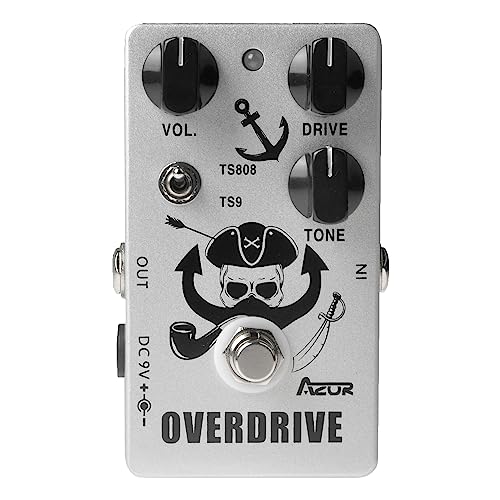
The AZOR Vintage Overdrive emphasizes a classic TS808/TS9 switch for retro voicings. Its 100% analog design aims to deliver creamy, dynamic response that mirrors traditional tube-amp behavior, offering a transparent true-bypass path to preserve the guitar’s original tone when not engaged. Marketed as an affordable way to capture vintage warmth, it remains a solid pick for players pursuing timeless overdrive without premium pricing.
JOYO Vintage Overdrive (JF-01)
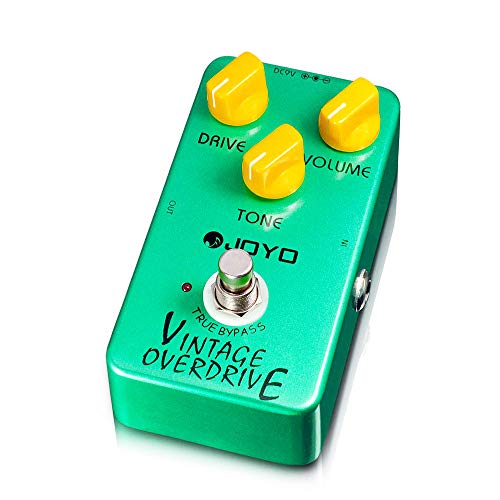
The JOYO JF-01 reproduces the classic TS808 tone via an RC4558-based circuit, delivering warmer overtones at lower volumes and progressively harsher distortion as gain rises. True bypass helps maintain signal integrity when the pedal is inactive, while the aluminum alloy housing adds durability. Its compact form makes it a practical option for pedalboard setups seeking vintage character without a high price tag.
FLAMMA FC07 Overdrive

The FLAMMA FC07 offers two overdrive modes: Warm and Hot. Warm aims for creamy vintage tube-like tones, while Hot delivers crisper, more aggressive drive. The true bypass design ensures your signal remains uncolored when the pedal is off, and the two-mode setup provides a simple path to varied drive personalities suitable for players exploring retro-inspired tones or modern crunch in a compact package.
Buying Guide: Key Considerations for Budget Overdrive Pedals
When selecting a budget overdrive pedal, consider how it will fit into your rig, style, and recording workflow. Below are factors commonly used to compare options and gauge long-term value.
- Tonality and voicing: Look for pedals that offer classic tube-like drive with a smooth gain range. Consider whether you want vintage TS808/TS9 emulations or modern, transparent overdrives.
- Gain range and dynamics: A wide, musical gain range helps cover blues to light rock. Pay attention to whether the pedal responds well to pick attack and volume knob changes.
- Bypass quality: True bypass minimizes signal coloration when the pedal is off, preserving your guitar’s natural tone.
- Controls and usability: Pedals with straightforward gain, tone, and level controls (and perhaps a tone switch) are easier to dial in quickly during gigs or practice.
- Size and build: Compact pedals save space on crowded boards. Aluminum housing typically offers durability for travel and live use.
- Versatility: Some pedals work well across multiple amplifiers and interfaces, ensuring consistent tone whether you’re at home, in the studio, or on stage.
- Price-to-performance: Compare features against price to determine value. A slightly pricier option with more tonal options may offer better long-term value than the cheapest model.
- Maintenance and reliability: Look for pedals with stable power requirements and robust jacks, ensuring consistent performance across sessions.